Jemaa el-Fna Square and UNESCO
In 2001, Jemaa el-Fna square was the first oral cultural expression inscribed on UNESCO's Intangible Cultural Heritage of Humanity list — a world first recognizing a living space rather than a fixed monument. This recognition attests to the importance of the oral traditions that have continued there for more than a thousand years.
What the Museum Preserves
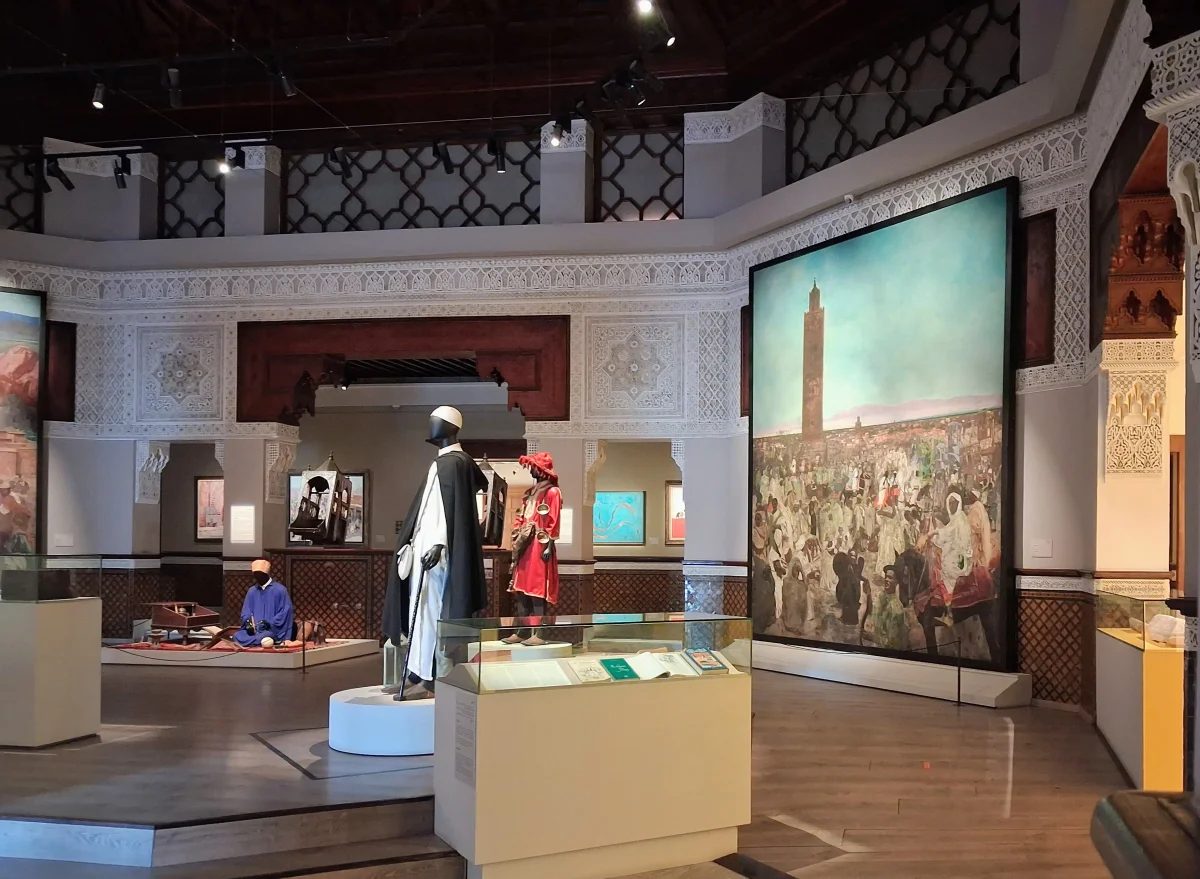
The Museum of Intangible Heritage documents and celebrates the square's cultural practices:
- The halqa: a circle of storytellers (hakawati) who perform in darija (Moroccan dialectal Arabic) before a captivated audience — an oral art threatened with extinction
- The gnaoua musicians: sub-Saharan African heritage, guembri and krakeb, trance chants
- The Souss acrobats: Berber troupes from the Agadir region performing human pyramids
- Traditional healers: herbalists, remedy sellers, heirs to ancestral medicine
- Snake charmers: cobras and pythons, a millennia-old tradition of the square
History of the Square
Jemaa el-Fna has existed since the founding of Marrakech by the Almoravids in 1062. Initially a place of justice (those condemned to death were executed there), it gradually evolved into a place of trade and entertainment. Accounts by 19th-century European travelers already describe the storytellers and musicians still found there today.
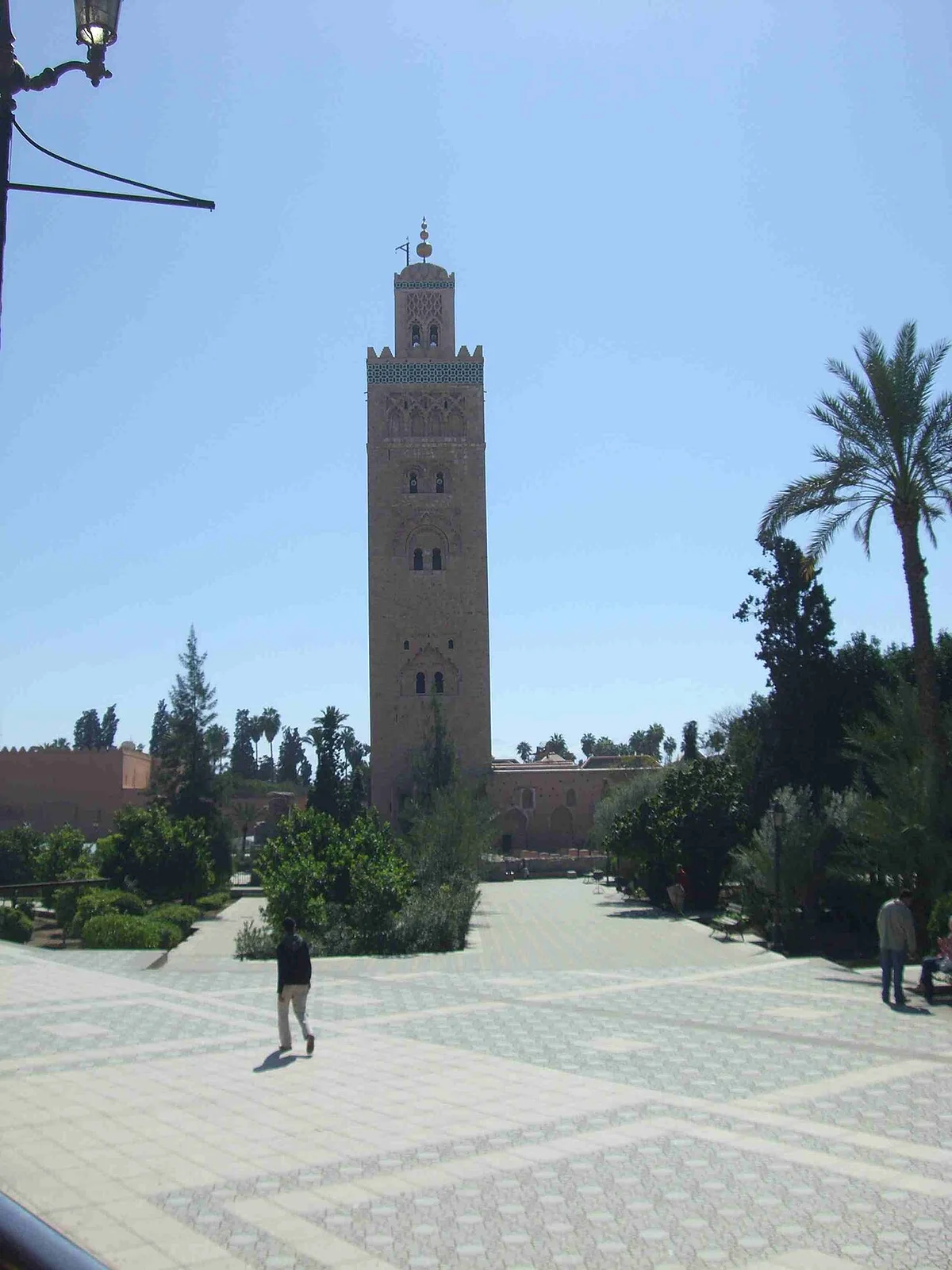
Its location on Jemaa el-Fna square makes it easy to combine the visit with the Koutoubia, whose minaret stands just a few minutes' walk away.