The History of Dar Si Said
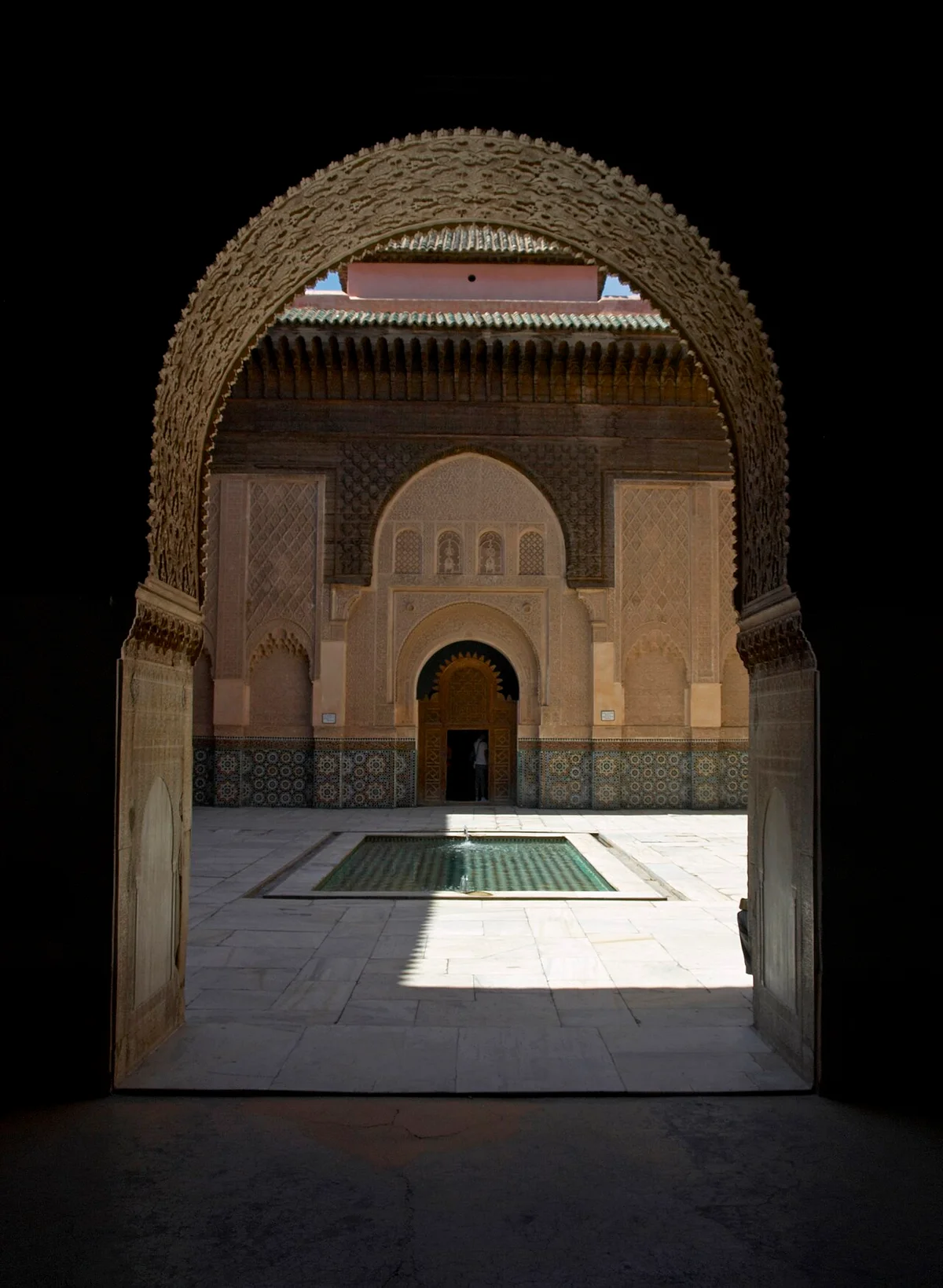
Built at the end of the 19th century by Si Said, brother of the great vizier Ba Ahmed (builder of Bahia Palace), Dar Si Said is a magnificent example of Moroccan palatial architecture of the period. The two palaces share the same street — Riad Zitoun el Jadid — and the same Arab-Andalusian style.
Turned into a museum in 1932, Dar Si Said is one of Morocco's oldest museums. After a lengthy restoration, it now presents a reorganized collection of traditional arts and crafts that makes it Morocco's benchmark for artisanal heritage.
The Collection: From Woodwork to Berber Jewelry
Woodwork
The carpentry and marquetry collection is one of the most complete in Morocco. Painted ceilings, carved doors, wedding chests, moucharabiehs and palanquins — each piece testifies to the craftsmanship of the maâlems of Fez and Marrakech.
Jewelry and Costumes
Silver and coral necklaces, Berber fibulae, headdresses, bracelets — the Amazigh jewelry collection is remarkable. Ceremonial costumes (caftan, takchita) complete this immersion in traditional Moroccan elegance.
Zelliges and Pottery
From zellige tiles to cobalt-blue Fez ceramics, the museum traces four centuries of Moroccan pottery. From large olive-oil jars to ceremonial dishes, each piece tells of an everyday use elevated by craftsmanship.
Practical Information
- Address: Riad Zitoun el Jadid, Medina (5 minutes from Bahia Palace)
- Hours: 9:00 am – 5:00 pm, closed Tuesdays
- Adult admission: about 30 MAD (verify on-site)
- Recommended duration: 1h to 1h30
Visiting Tips
Combine with Bahia Palace: the two sites are a 5-minute walk from each other. Start with Dar Si Said in the morning (fewer crowds), then move on to Bahia Palace before 11am. The museum is less crowded — ideal for a calm, immersive visit.
Optimize your day in the southern medina Book your skip-the-line ticket for the neighboring Bahia Palace and avoid the queue. → Book Bahia Palace