Medieval organization by guilds
The souks of Marrakech have been organized by craft guilds since at least the 12th century, under the Almoravids. This system of grouping by trade — inherited from the Islamic organization of markets — remains almost intact today:
- Souk Semmarine: textiles, fabrics, and ready-to-wear (main artery)
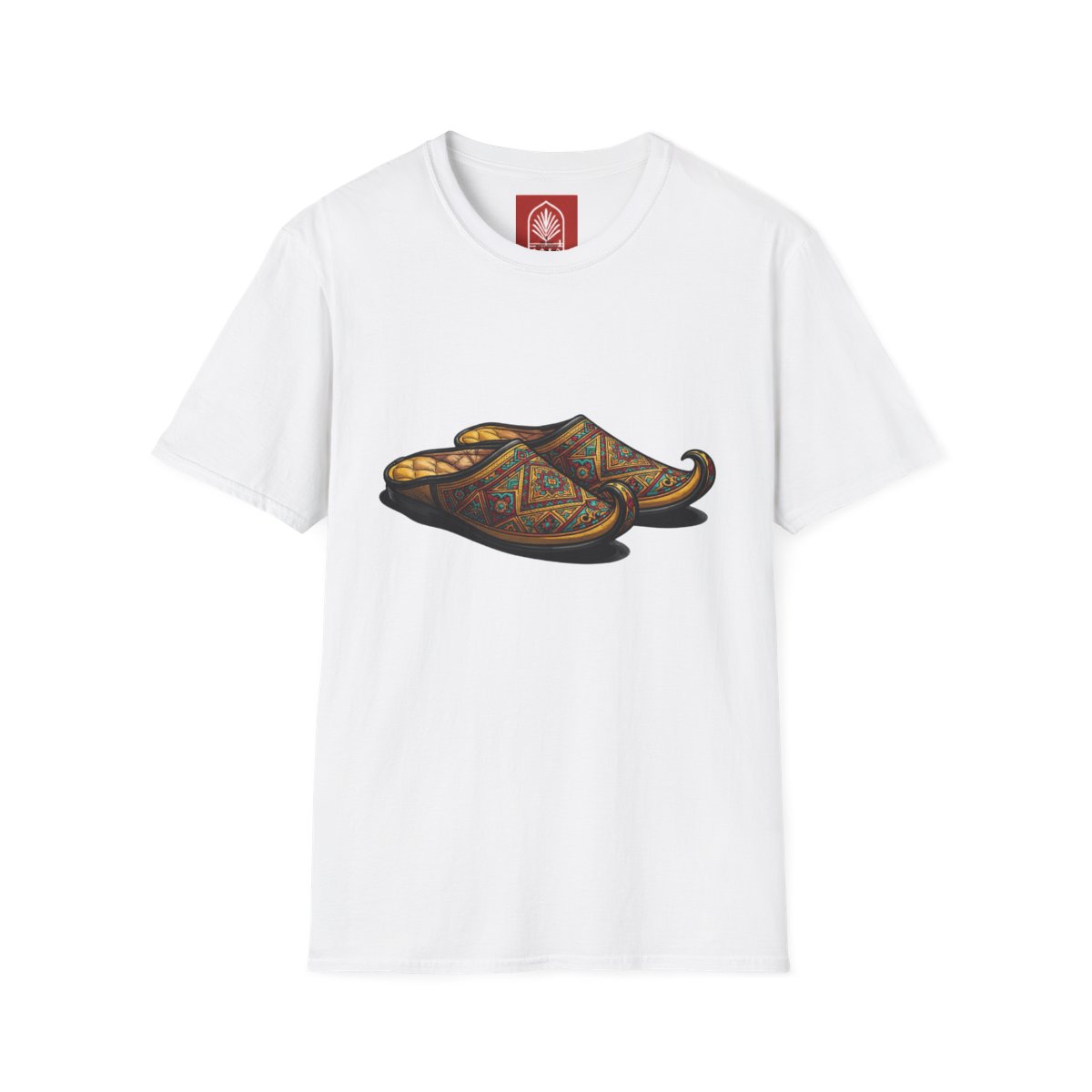
- Souk Smata: babouches and shoes
- Souk Cherratine: raw leather and saddlery
- Jewelers' Souk: silver, gold, gemstones
- Spice Souk (Rahba Kedima): spices, medicinal herbs, cosmetics
- Dyers' Souk: wool dyed with natural pigments
- The Kissaria: covered market for luxury fabrics (caftan, takchita)
The Kissaria, market of luxury goods
At the heart of the maze, the Kissaria is the medieval equivalent of luxury shopping arcades. Here you'll find ceremonial caftans, gold-embroidered takchitas, silk djellabas — garments costing several thousand dirhams, bought for weddings and major celebrations.
Craftsmen still at work
The souks are not a museum display — hundreds of craftsmen work here every day: weavers, embroiderers, cobblers, copper founders, cabinetmakers. Some workshops have barely changed in centuries. The Marrakech medina is still home to more than 20,000 active craftsmen.