Agadir's Gastronomy: A Cuisine Shaped by the Ocean, Agricultural Plains and Amazigh Traditions
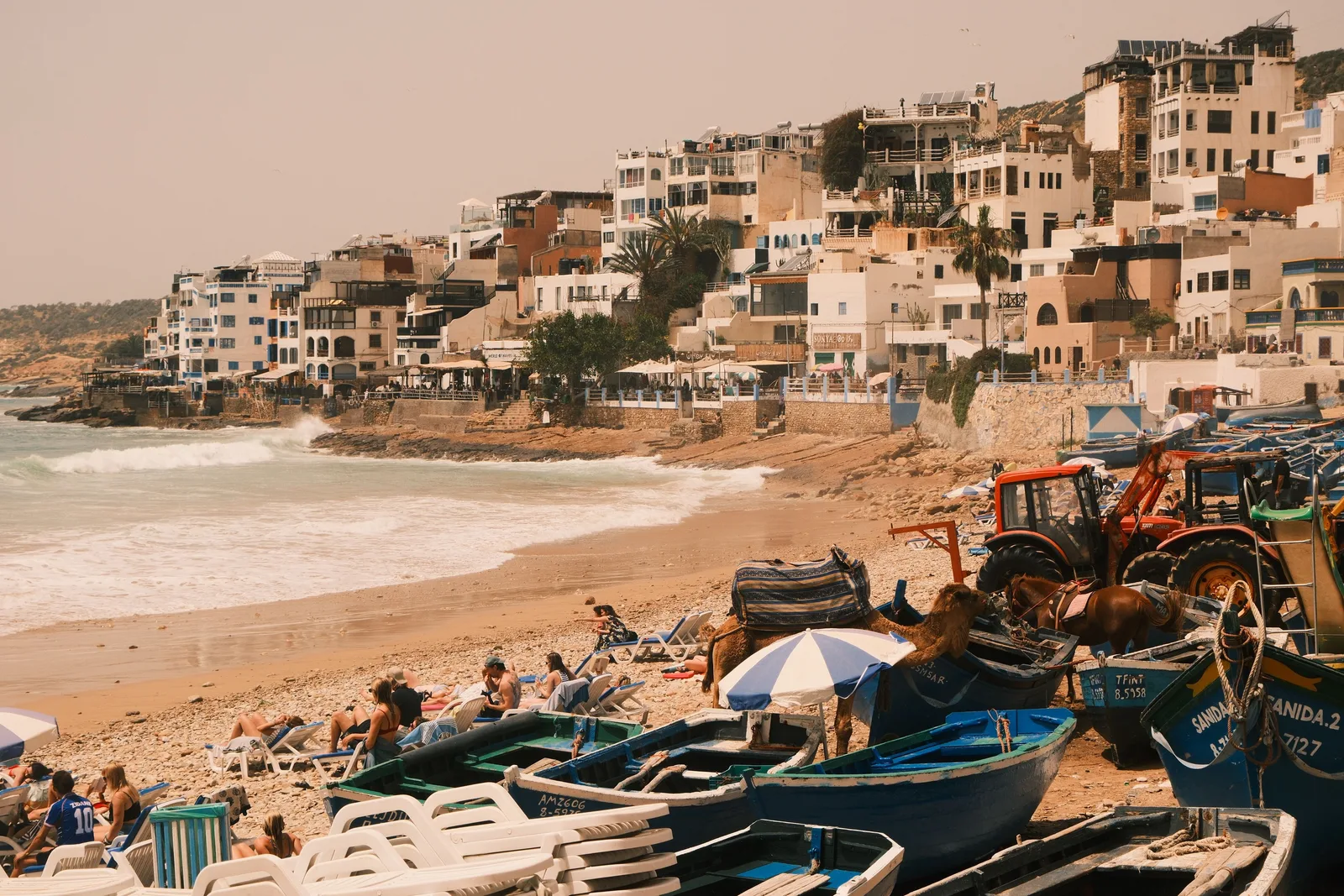
Agadir is often associated with its beaches, sunny climate and seaside atmosphere. Yet the city has another attraction that deserves a prominent place in any trip to Morocco: its gastronomy. Located on the Atlantic coast, at the foot of a vast agricultural plain and close to the landscapes of the argan forests, Agadir benefits from a natural environment that largely explains the diversity of its cuisine.
Here, fish naturally plays an important role. Sardines, grilled fish and seafood reflect the city's proximity to the port and the maritime traditions of Morocco's Atlantic coast. Just a few kilometres from the city, the fertile lands of the Souss produce citrus fruits, vegetables and fresh produce supplied to Moroccan and international markets. Further inland, the mountains of the Anti-Atlas and the Amazigh villages preserve culinary traditions based on cereals, almonds, honey, olive oil and argan oil.
This diversity makes Agadir's gastronomy much more than a simple variation on Moroccan cuisine. It reflects a territory, a body of knowledge and culinary habits that have developed over generations.
To discover this cuisine, you should try dishes served in restaurants, but also explore the products sold in markets, the breads prepared in villages, the oils produced by local cooperatives and the specialities families enjoy in their everyday lives.
This guide introduces the dishes and products worth discovering during your stay, the specialities unique to the Souss, places to shop and experiences that offer a deeper understanding of the region's culinary heritage. Since prices, opening hours and individual businesses can change, the emphasis here is on culinary highlights and practical advice rather than a list of establishments that may quickly become outdated.
1. Fresh Fish: Agadir's Great Speciality
Sardines, an essential taste of the Atlantic coast
In Agadir, a culinary journey naturally begins with fish. The city has a major fishing port historically associated with sardines, as well as a significant seafood industry. Fishing has long contributed to the local economy and supplied markets and restaurants.
Sardines are among the most emblematic fish in Morocco's Atlantic cuisine. They are appreciated for their distinctive flavour, texture and versatility. In Agadir, they are commonly served grilled or fried, or prepared as spiced fish balls, depending on local habits and each establishment's recipes.
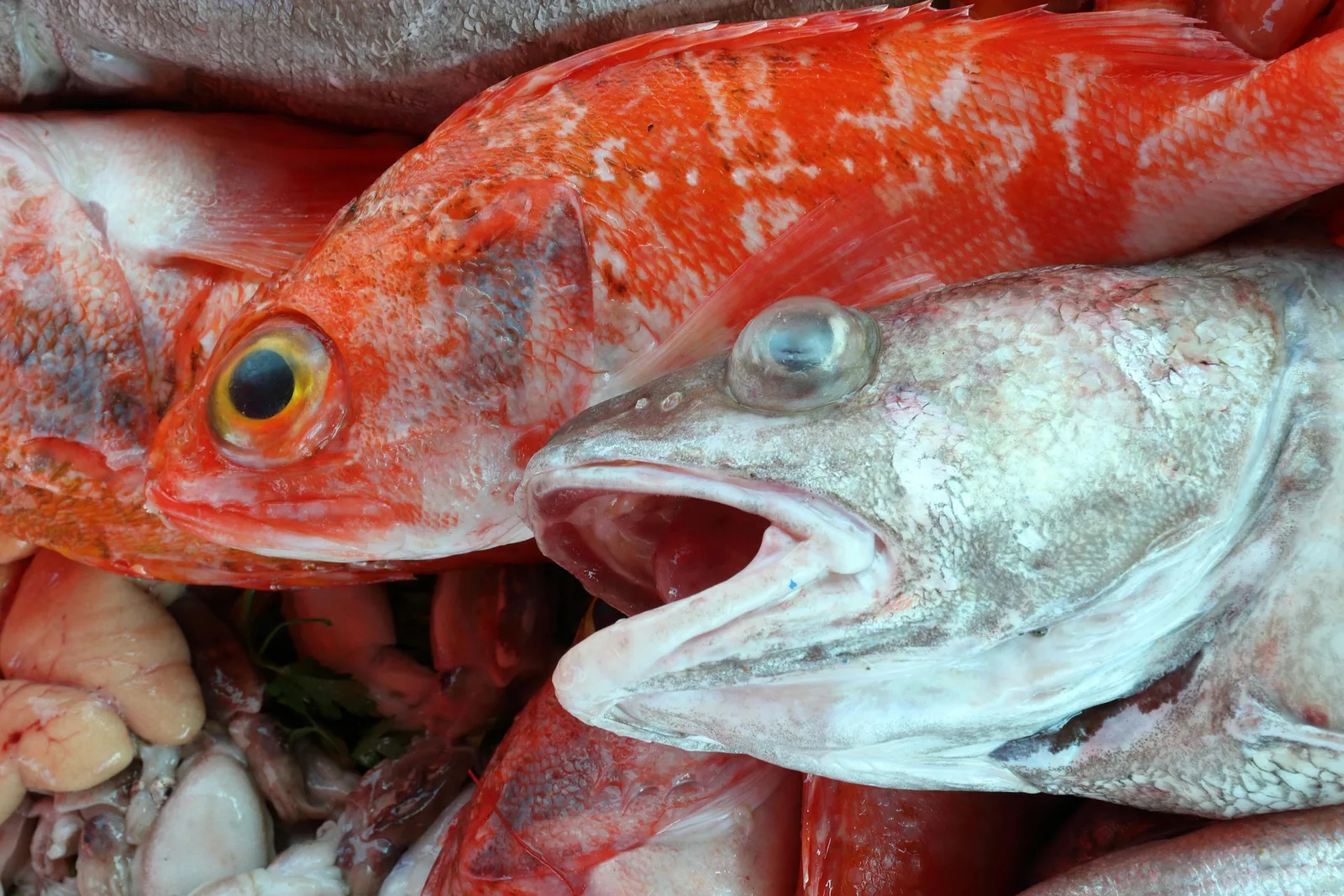
Grilled sardines are an excellent introduction to a cuisine that focuses on the quality of its ingredients. They may be served with bread, salad, vegetables or condiments. A squeeze of lemon, cumin, paprika and a mixture of coriander and garlic can also enhance their flavour.
Another popular preparation is sardines stuffed with chermoula. This Moroccan marinade generally combines coriander, parsley, garlic, cumin, paprika, lemon and oil. Depending on the recipe, two sardines are placed together around the filling and then fried or cooked using another method. The result is fragrant and full of flavour.
Sardine balls cooked in tomato sauce are also worth trying. Made with minced fish and herbs, they are often simmered in a richly seasoned sauce. This dish illustrates how Moroccan cuisine can transform an everyday ingredient into a flavourful meal.
How to choose good fish in Agadir
Being close to the sea does not automatically guarantee that every fish product is fresh. When ordering fish, choose establishments that clearly present their selection and can tell you about the species available and their origin.
A few simple precautions can help:
- Ask which fish is available that day.
- Check whether the price depends on the species, weight or preparation.
- Choose establishments where seafood is stored and handled properly.
- If buying a whole fish, examine its general appearance, gills and smell.
- Do not assume that every fish served in a restaurant was caught that very morning.
Available species vary according to the season, fishing conditions and supply. It is therefore better to choose from what is genuinely available rather than insist on a particular fish.
Other fish and seafood
Sardines are not the only highlight of Agadir's maritime cuisine. Depending on the catch and the establishment, you may also find hake, sea bream, other local fish, squid, prawns and different types of seafood.
Grilled fish is often prepared with simple seasoning to preserve its natural flavour. Other recipes use stronger marinades or simmer the fish in a sauce. Seafood may be grilled, sautéed or incorporated into more elaborate dishes.
To enjoy these dishes, it is worth asking for recommendations instead of choosing solely by the name on the menu. The catch of the day can be an excellent option when its origin, price and cooking method are clearly explained.
The port and fish markets
Agadir's fishing port is one of the places that helps visitors understand the importance of the sea to the local economy. Fishing activity, landings and distribution channels offer a glimpse of the journey seafood takes before reaching restaurant kitchens.
Access conditions within the port may vary. Some areas are regulated workplaces and may not be open to visitors. If you would like to observe fish landings or a seafood auction, check in advance whether visits are permitted.
The marina and the neighbourhoods near the waterfront also offer restaurants specialising in fish and seafood. Their atmosphere differs from that of the more modest establishments frequented by local residents, but both experiences can be worthwhile depending on what you are looking for.
2. Classic Moroccan Dishes
Although fish is an important part of local gastronomy, Agadir also offers the dishes that have made Moroccan cuisine famous. Some are found throughout the country, while their ingredients and preparation methods vary from region to region and from family to family.
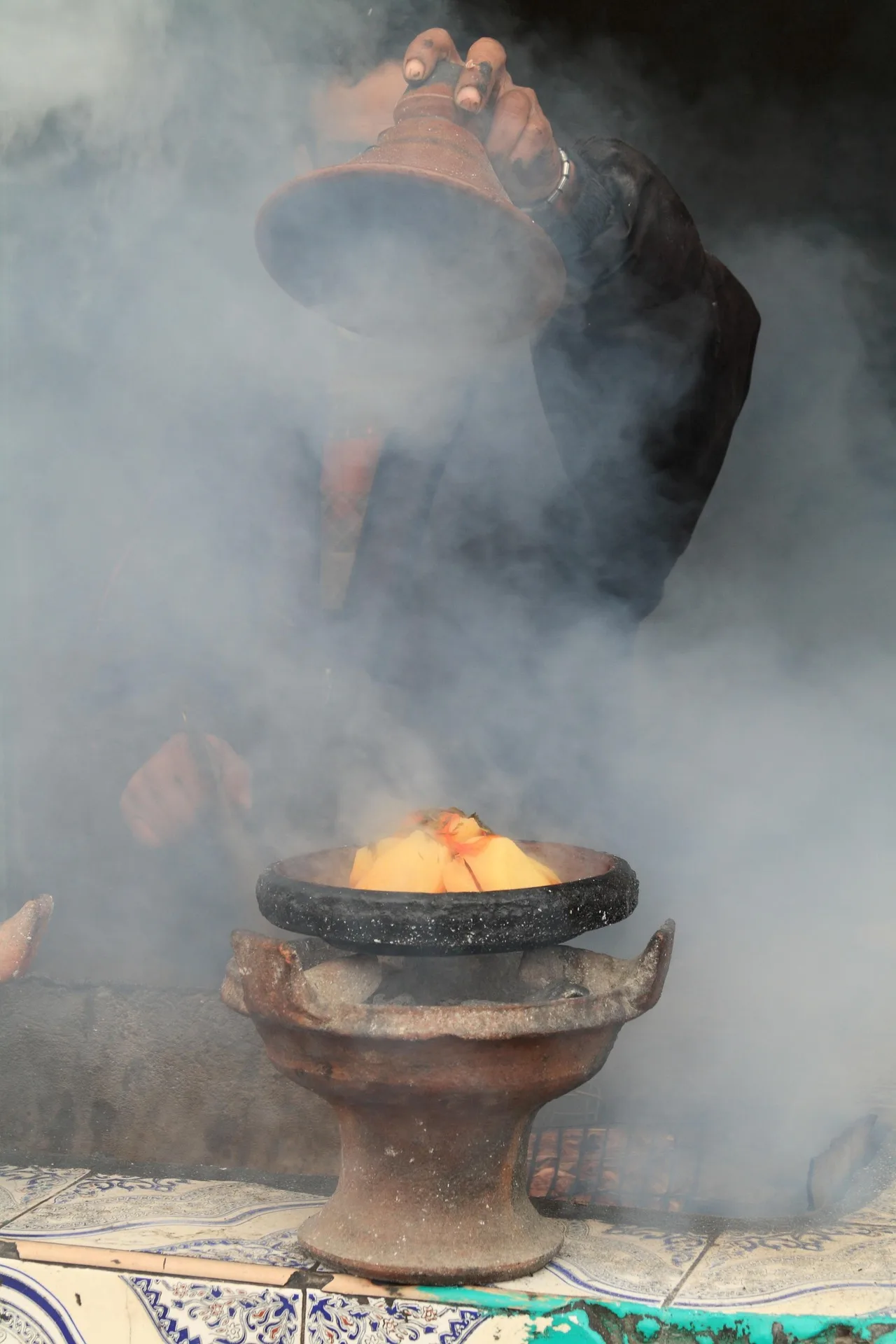
Tagine: A Generous, Sociable Dish
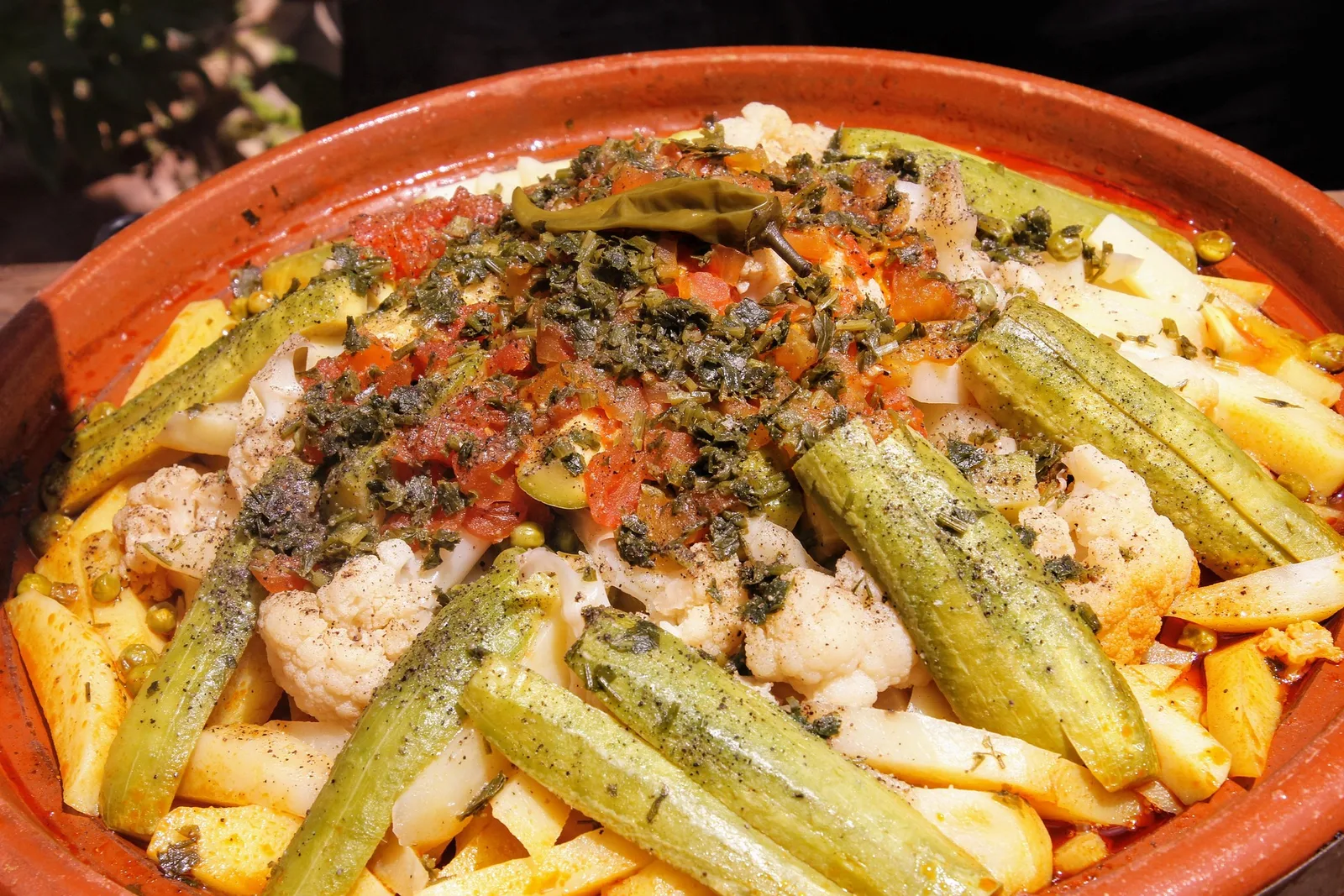
Tagine refers both to the traditional clay cooking vessel and to the slow-cooked dish prepared in it. Slow cooking allows the flavours to blend and gives the ingredients time to become tender.
Morocco has countless tagine recipes. They may contain chicken, lamb, beef, fish or vegetables alone. The combinations depend on the season, family preferences and local traditions.
Vegetables, olives, preserved lemons, herbs and spices play an important role in many recipes. Some preparations also combine meat with dried fruits such as prunes, apricots or dates.
In Agadir, tagine offers an opportunity to explore Moroccan cuisine through a wide variety of dishes. For a taste of the local food culture, ask which preparations are available that day and look for recipes made with regional ingredients.
Harira: An Iconic Moroccan Soup
Harira is a Moroccan soup generally prepared with tomatoes, legumes, herbs and spices. Depending on the recipe, it may contain chickpeas, lentils, meat and small amounts of flour or vermicelli to give it a thicker consistency.
It is particularly associated with Ramadan, when many families serve it to break the daily fast. However, harira is also enjoyed at other times of the year.
The soup illustrates an important feature of Moroccan cuisine: combining simple ingredients, legumes and aromatic herbs to create a nourishing, flavourful dish.
Couscous: A Tradition with Many Variations
Couscous is one of Morocco's best-known dishes. It is based on steamed cereal semolina, usually wheat, served with vegetables, broth and, depending on the recipe, meat or other ingredients.
Preparations vary from one region to another. In the Souss, Amazigh culinary traditions have their own ways of preparing and eating cereals. However, couscous should not be reduced to a single regional recipe: its diversity is considerable and also depends on families and special occasions.
Couscous is often associated with shared meals and family gatherings. Trying it is a good way to understand the social importance of Moroccan gastronomy.
Grilled Meats and Brochettes
Grilled dishes also feature prominently in popular Moroccan food. Meat skewers, sausages and various marinated preparations are often served with bread, salad or condiments.
In lively neighbourhoods and markets, grilled dishes can be an alternative to slow-cooked meals. As with fish, choose an establishment where food is prepared and stored under suitable conditions.
3. Amazigh Specialities of the Souss
The Souss is a historic and cultural region of southern Morocco where Amazigh traditions remain important. Local cuisine developed in response to available resources, agricultural practices and eating habits passed down within families.
The argan tree, cereals, olives, almonds and honey are among the products associated with this territory. Some preparations are known in other parts of Morocco, but in the Souss they have particular uses, textures and combinations worth discovering.
Amlou: An Iconic Speciality of the Souss
Amlou is one of the best-known products of Souss gastronomy. This traditional spread is made primarily from roasted almonds and culinary argan oil. Honey may be added, depending on the recipe.
The almonds are usually ground until they reach a fine or slightly coarse texture, then mixed with the oil. The result is a rich, smooth paste with a pronounced nutty flavour and the distinctive notes of argan.
Amlou is often served at breakfast or as an afternoon snack, accompanied by bread. It may be eaten with wheat bread, barley bread or other local varieties. Some families also enjoy it with Moroccan pancakes and different kinds of pastries.
It is sometimes nicknamed “Berber Nutella”, a comparison that may help visitors understand how it is used, but one that does not fully reflect its history or ingredients. Amlou belongs to a distinct culinary tradition, closely linked to the use of argan oil in the region.
Its quality depends largely on the ingredients. A preparation rich in almonds and made with suitable argan oil will generally offer a more complex flavour than a product containing many added ingredients. When buying amlou, check the composition, production date and storage instructions.
Amlou is also an interesting food souvenir. However, bear in mind its oil content, packaging and the rules that apply to transporting food products.
Tafarnout: Traditional Bread of the Souss
Tafarnout is a bread associated with the Amazigh culinary traditions of southern Morocco. Its name is also linked to the traditional oven used to bake it in some communities.
Recipes and techniques vary from place to place. The dough is generally prepared from flour, water and salt, although family traditions may differ. It is baked in a suitable oven, which gives the bread its characteristic texture and flavour.
Tafarnout accompanies tagines and many other meals. It may also be served with dishes based on argan oil, olive oil or amlou.
In some traditions, the bread is eaten with an assortment of regional products. The term timkiline is sometimes used locally for this type of combination, but its meaning and composition may vary.
Trying tafarnout is a simple way to discover a food tradition that does not depend on elaborate recipes. Bread occupies a central place in many cuisines and often brings together the different elements of a meal.
Tagoulla or Tarwayt: An Ancestral Preparation
Tagoulla, also called tarwayt in some contexts, is a traditional Amazigh dish from southern Morocco. It is generally prepared with barley or corn semolina or flour, depending on local traditions.
The cereal is cooked with water until it reaches a thick consistency, similar to a purée or a substantial porridge. Accompaniments vary from one family and region to another.
Tagoulla may be eaten with olive oil, argan oil, melted butter, amlou or dairy products. On certain festive occasions, it may be decorated or served with dates, almonds or walnuts.
This dish highlights the historical importance of cereals in the diet of rural communities. Before industrially processed foods became widespread, cereals were an essential resource: they could be stored easily and transformed into a variety of dishes.
Tagoulla also reminds us that traditional cuisine is not limited to recipes prepared for visitors. Some specialities are primarily everyday foods, whose value lies in their simplicity, history and place in family memory.
4. Argan Oil: The Culinary Treasure of the Souss
The argan tree is one of the most emblematic trees of southwestern Morocco. Adapted to specific climatic conditions, it plays an important role in the landscape, biodiversity and economy of many rural communities.
The argan forests are particularly associated with the Souss-Massa region. The Arganeraie Biosphere Reserve was recognised by UNESCO in 1998. The practices and knowledge associated with the argan tree were later inscribed on UNESCO's Representative List of the Intangible Cultural Heritage of Humanity in 2014.
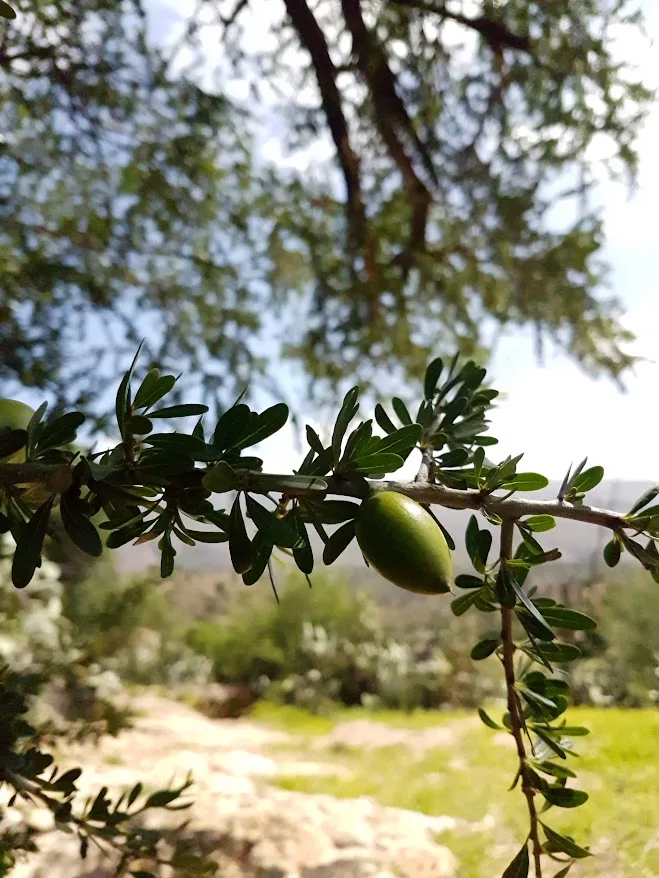
Argan oil is extracted from the kernels inside the tree's fruit. It has several uses, including culinary and cosmetic applications. It is important to distinguish between these two types, as their production methods and intended uses differ.
Culinary argan oil is often made from roasted kernels, which give it its distinctive flavour. It can be used as a seasoning or incorporated into traditional preparations. Cosmetic argan oil is generally produced without roasting and is intended for other uses.
In the Souss, argan oil production relies on technical knowledge passed down through generations. The process includes collecting the fruit, removing its outer layers, extracting the kernels and processing them.
Cooperatives have helped promote these skills and strengthen economic opportunities for local producers. A visit can introduce you to the different stages of production and explain the work involved in harvesting and processing the fruit.
Culinary argan oil is also one of the products most sought after by visitors. To buy a good-quality product, keep a few precautions in mind:
- Make sure the oil is intended for food if you plan to consume it.
- Ask whether it is pure and which ingredients have been used.
- Check the label, ingredients and packaging date.
- Prefer producers or sellers who can explain where their oil comes from.
- Do not rely solely on colour or marketing claims.
Argan is also closely associated with amlou, which combines oil and almonds. Buying these products from a cooperative or a transparent producer can be a way to support the regional economy.
5. Produce from the Souss Plains and Mountains
Agadir's culinary richness comes not only from the sea and the argan forests. The Souss plain is one of Morocco's major agricultural regions. Its climate, soil and agricultural infrastructure support the production of a wide range of fruits and vegetables.
Citrus Fruits and Fresh Vegetables
The Souss region is particularly known for its citrus fruits and market-garden crops. Oranges, mandarins, tomatoes and other vegetables are important agricultural products.
The nearby Chtouka plain is also associated with intensive agriculture supplying domestic and export markets. This activity contributes to the local economy and explains the abundance of fresh produce available in markets.
For visitors, seasonal fruit is a simple way to discover the region's agricultural output. Oranges and mandarins are particularly popular, although availability depends on the time of year.
Fruit and vegetables sold in markets may come from different supply chains. If local origin matters to you, ask the seller where the products were grown.
Saffron from Taliouine
Saffron is a precious spice obtained from the stigmas of the crocus flower. In Morocco, Taliouine, in the Taroudant region, is one of the best-known areas for its production.
Harvesting requires considerable manual work. The flowers must be picked at the right moment, and the stigmas are then carefully separated. Production volumes are limited, which partly explains saffron's high value.
This spice is used in small quantities to flavour dishes, sauces and certain traditional preparations. It can also be purchased as a culinary souvenir.
When buying saffron, pay attention to its origin and presentation. Whole threads generally make it easier to identify the product than some powders whose composition is difficult to verify. Be cautious of unusually cheap products advertised as pure saffron.
Taliouine also hosts events dedicated to saffron production. Dates and programmes vary from year to year, so check official announcements before planning a trip.
Honey from Imouzzer Ida Outanane
The Imouzzer Ida Outanane region, in the mountainous hinterland of Agadir, is known for its natural environment and beekeeping traditions.
Honey reflects, in part, the vegetation from which bees collect nectar. Its taste, colour and texture can vary according to the plants available, climatic conditions and the practices of local producers.
Local honey is often sold in markets and through regional sales networks. Before buying it, ask about its origin and composition. A product presented as local should ideally be traceable to a producer or identifiable production area.
The region also hosts traditional markets, although market days and opening hours may change. If you want to visit a weekly market, confirm the information locally before setting off.
Almonds from Tafraout
In the Anti-Atlas, the area around Tafraout is associated with almond trees and almond-based products. When the trees blossom at the beginning of the year, they can transform the landscape, although the timing depends on weather conditions.
Almonds are eaten on their own, roasted, incorporated into pastries or used in preparations such as amlou. They are also easy to transport and take home as a souvenir.
Almond-based products illustrate the connection between agricultural landscapes and gastronomy. In the Souss, dried fruits, cereals and oils are not merely ingredients: they form part of a rural economy and long-established eating habits.
6. Souk El Had: The Essential Market for Local Produce
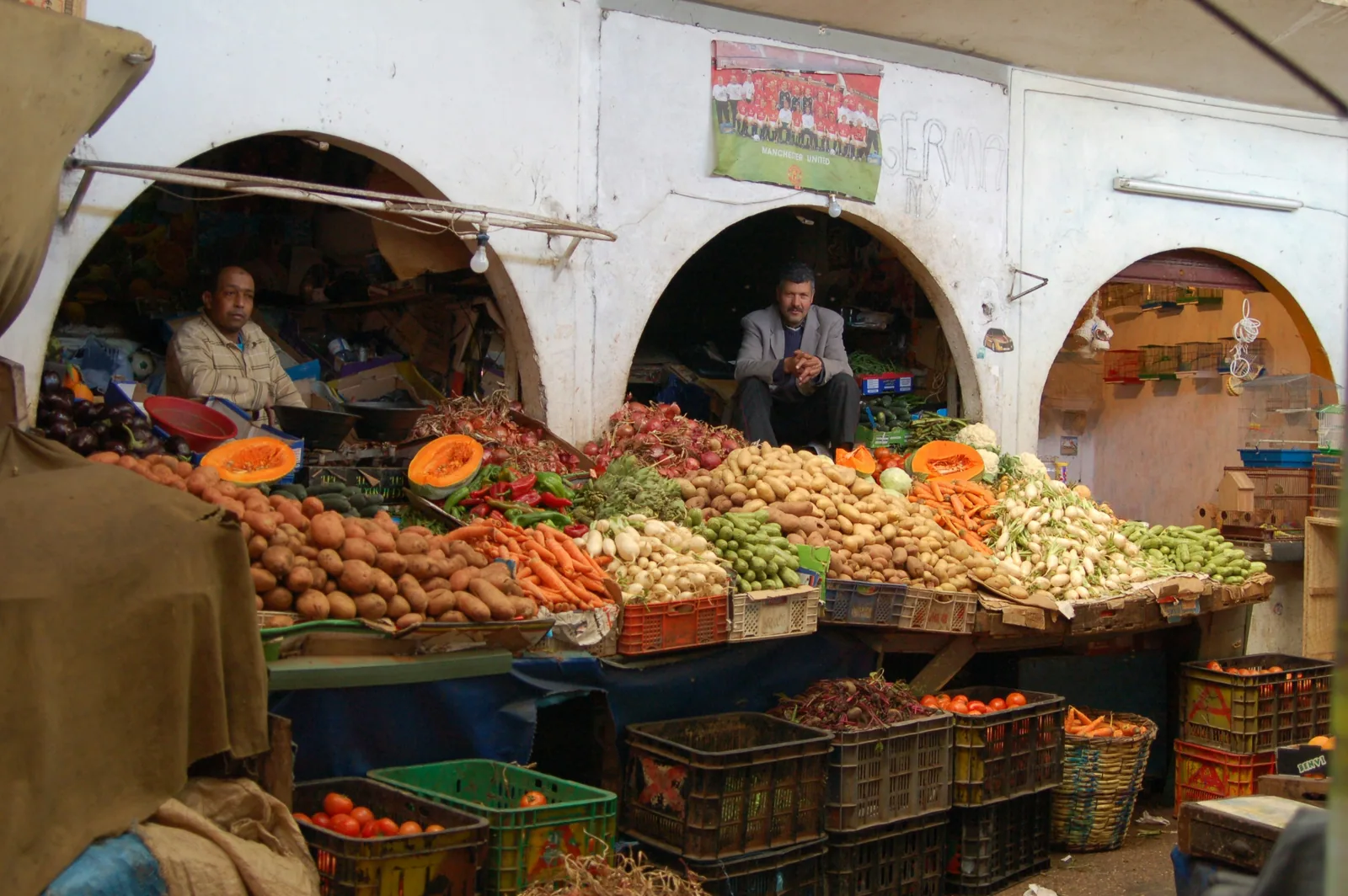
For anyone interested in discovering Agadir's food products, Souk El Had is one of the most interesting places to explore. This large market was rebuilt after the 1960 earthquake and is organised into different lanes and commercial sections. It brings together food sellers, spice merchants, clothing shops, craft stalls and vendors of everyday goods.
The market offers an introduction to the city's commercial life. You can find fruit, vegetables, spices, dried fruit, olives and a wide range of products associated with Moroccan gastronomy.
To plan your visit, consult our page dedicated to Souk El Had in Agadir.
What Can You Buy at Souk El Had?
The products available vary according to the season and the seller, but several categories are worth exploring.
Spices. Cumin, paprika, ginger, turmeric and spice blends are used in many Moroccan recipes. Ask how to store them and check their ingredients when purchasing prepared blends.
Argan oil. Some stalls sell culinary and cosmetic oils. Carefully check the intended use stated on the label.
Amlou. This speciality of the Souss is often sold in jars of different sizes. The proportions of almonds, oil and honey may vary.
Dried fruit. Almonds, walnuts, dates and other products can be good choices for tasting or taking home.
Honey. Several varieties may be available. Ask about the origin, type of honey and storage conditions.
Fruit and vegetables. The market offers a glimpse of the diversity of produce available in the region and the shopping habits of local residents.
How to Shop at the Market
Souk El Had is a lively commercial space where several vendors may offer similar products. It is therefore worth comparing goods before buying.
Here are a few practical tips:
- Take time to look around the different stalls.
- Ask about weight, ingredients and product origin.
- Compare prices before making a decision.
- When buying loose products, check their condition and how they are stored.
- Bargain politely when it is part of the seller's usual practice.
- If buying oil or honey to take home, choose a tightly sealed, suitable container.
The market is more than a place to shop. It is also an opportunity to observe regional products, commercial exchanges and local eating habits.
Opening hours and the organisation of the different sections may change. Check practical information before your visit, especially if you want to arrive at a particular time.
7. Moroccan Sweets and Products to Take Home
A culinary trip would not be complete without discovering Moroccan sweets and products that can be taken home. In Agadir and the Souss, several specialities allow you to enjoy the flavours of your stay long after you leave.
Moroccan Pastries
Moroccan pastries often use almonds, honey, sesame seeds, flour and fats. Some are prepared for celebrations, while others accompany tea and social gatherings.
Recipes and shapes vary from region to region. If you want to try a particular pastry, ask for its name and main ingredients. This is also useful if you have a food allergy.
Dates and Dried Fruit
Dates, almonds and walnuts are commonly associated with Moroccan eating habits. They can be enjoyed on their own, with tea or as ingredients in different recipes.
They make relatively practical food souvenirs, provided you check their packaging and the rules governing food imports in your destination country.
Argan Oil and Amlou
These two products are among the most representative culinary souvenirs from the Souss. They allow you to recreate some of the flavours discovered during your trip.
For argan oil, check that it is intended for food if you plan to use it in cooking. For amlou, review the ingredients and production date. Products containing nuts should be stored according to the manufacturer's instructions.
Spices
Spices are easy to transport and can help you recreate Moroccan recipes at home. It is best to buy them from sellers who can explain their composition, especially when purchasing prepared blends.
Remember to check customs regulations and any restrictions that may apply to food products when entering your country.
8. Learn to Cook in Agadir: Another Way to Discover the Region
If you want to go beyond tasting dishes, joining a Moroccan cooking class can be an interesting experience. These activities generally introduce you to several ingredients, teach preparation techniques and provide a better understanding of local culinary habits.
Cooking classes in Agadir may include making mint tea, preparing a tagine or learning other traditional recipes. Some programmes also include a market visit or an introduction to the ingredients used in Moroccan cooking.
Before booking, compare the information provided by the organisers. In particular, check:
- Which dishes are included in the activity.
- The duration and location of the class.
- Whether you will participate in preparing the ingredients.
- Any dietary restrictions that can be accommodated.
- The language used during the workshop.
- The cancellation policy.
- Recent reviews from participants.
If your aim is to discover the specific cuisine of the Souss, ask whether the class includes regional specialities such as amlou, tafarnout or traditional Amazigh dishes. Not every Moroccan cooking class necessarily covers these recipes.
A cooking class can also be an opportunity to speak with a local resident or cook about eating habits, seasonal ingredients and the differences between family recipes.
9. Gastronomic Experiences to Book in Agadir
To taste local specialities while learning about the region, organised activities can complement independent exploration. Guided experiences are particularly useful when you want to understand where products come from, discover a market or learn about culinary traditions.
Authentic Food Tour in Agadir: Eat Like a Local
This activity is designed for travellers who want to discover Moroccan cuisine through a guided experience.
Discover the Authentic Food Tour in Agadir – Eat Like a Local
Before booking, check the detailed programme to understand which tastings are included, whether there are any additional costs and what cancellation conditions apply. The dishes offered may vary depending on availability and the organisation of the activity.
Discover Goats in Argan Trees and Souk El Had
Argan trees are part of the landscapes most closely associated with the Agadir region. Some excursions combine a visit to the argan-growing areas with a stop at Souk El Had, allowing visitors to experience both the landscape and local products.
Discover the excursion to see goats in argan trees and visit Souk El Had
Goats climbing argan trees have become a familiar image in Moroccan tourism. However, it is important to choose experiences that respect animal welfare and the environment. If you join an excursion, observe the animals from a reasonable distance and avoid interactions that might disturb them.
These activities are offered by partner operators. Check the available information before booking, including the programme, inclusions and cancellation policy.
10. Practical Tips for Enjoying Agadir's Gastronomy
Choose the Right Time to Eat Fish
Lunchtime is often a good opportunity to look for a fish dish, but availability depends on deliveries and the opening hours of individual establishments. Ask which species are available that day and how they are prepared before ordering.
Explore Markets Without Rushing
Markets are more rewarding when you take time to compare products, ask questions and observe local habits. Avoid buying the first item offered if you want to compare quality and price.
Check Where Products Come From
The fact that a product is sold in a region known for its production does not mean every item comes from that area. If you are looking for argan oil from the Souss, local honey or regional almonds, ask specific questions about their origin.
Be Careful About Allergies and Dietary Restrictions
Moroccan cuisine frequently uses nuts, dairy products, wheat and various spices. If you have an allergy or dietary restriction, explain it clearly to restaurant staff or the organiser of an activity.
Plan for Transporting Food Products
Oil, honey, amlou and spices can make excellent souvenirs, but transporting them requires some care. Check your airline's rules and the customs requirements of your destination country. Choose airtight containers for liquids and jars, and protect them during the journey.
Respect Local Products and the People Behind Them
Producers, market traders, fishermen and craftspeople all contribute to the region's culinary richness. Asking questions respectfully, requesting permission before photographing people and supporting sellers who can explain their work are good ways to encourage more responsible tourism.
11. Which Food Itinerary Should You Choose in Agadir?
A culinary discovery can be organised over a single day or incorporated into a longer stay.
For a First Day
Start with a visit to Souk El Had to discover spices, fruit, vegetables, dried fruit and regional products. Take time to compare stalls and ask about local specialities.
For lunch, choose a fish dish or sardines if they are available and properly stored. In the afternoon, explore argan oil production or take part in a guided food experience.
In the evening, choose a tagine, grilled meat or another Moroccan dish that appeals to you.
For a Two-Day Stay
Spend the first day exploring Agadir, Souk El Had and the city's maritime cuisine. On the second day, consider an excursion into the hinterland or an activity focused on the argan forests.
If you want to learn more about Amazigh traditions, look for an experience that introduces the products of the Souss and explains their place in local life. Cooperative visits and cooking workshops can provide valuable additional insights.
To organise your trip, consult our complete guide to Agadir and our itinerary for Agadir in two days.
For a Longer Stay
If you have several days, broaden your culinary exploration to include areas associated with the region's agricultural products.
Taliouine is a good place to learn about saffron, while the area around Tafraout is interesting for almonds and the landscapes of the Anti-Atlas. Imouzzer Ida Outanane offers another perspective on the mountain scenery and local beekeeping traditions.
These destinations require careful consideration of distances, road conditions and local availability. Check whether visits are possible before travelling and allow enough time for the journey.
12. Why Gastronomy Is Essential to Understanding Agadir
Agadir's cuisine tells the story of a region where several environments meet. The Atlantic provides fish and seafood. The Souss plain supplies a wide variety of fruit and vegetables. The mountains and villages of the hinterland preserve culinary traditions associated with cereals, almonds, honey and argan oil.
This diversity appears in everyday meals as well as in the products most sought after by visitors. Grilled sardines reflect the importance of fishing. Tagines and couscous illustrate culinary traditions shared across Morocco. Amlou, tafarnout and tagoulla offer a closer look at the Amazigh heritage of the Souss.
Gastronomy also provides a gateway to the region's economic activities. Behind a jar of honey, a bottle of argan oil or a bag of almonds are producers, techniques and distribution networks that contribute to local life.
Discovering Agadir differently therefore involves more than eating in a few restaurants. It also means taking time to explore markets, learn about ingredients and understand the links between the city, the coast and the surrounding countryside.
A successful culinary journey is not measured by the number of dishes tasted, but by the curiosity with which they are discovered. By sampling local products, talking to the people who prepare them and visiting the places where they are sold, you will uncover another side of Agadir: a generous region shaped by the ocean, agriculture and Amazigh traditions.
Sources and Further Reading
- UNESCO – Argan, Practices and Know-How Concerning the Argan Tree
- UNESCO – Man and the Biosphere Programme
- Visit Morocco – The Honey Route
Cover photo: Vegetable tagine, peggy_marco, Pixabay.