Two days are enough to discover several sides of Agadir: a modern city facing the ocean, a heritage shaped by the 1960 earthquake, and a surrounding region where beaches, Atlas Mountain landscapes and historic fortified towns offer very different experiences.
The best approach is to spend the first day exploring Agadir itself, taking time to discover its historic sites, museums, markets and seafront. The second day can then be devoted to an excursion, depending on your interests: surfing and coastal villages, hiking and natural scenery, or exploring the heritage of Taroudant or Tiznit.
This arrangement allows you to enjoy the city without spending too much time travelling, while still discovering part of the region around it.
Keep in mind, however, that distances, opening hours and traffic conditions can affect your plans. Some excursions require a full day, while others are easier to organise as half-day trips.
Day 1: Discover Agadir, from the Kasbah to the Beach
The first day is dedicated to the city itself. The aim is to understand its history, visit a few cultural sites and experience the atmosphere of the centre before finishing the day beside the Atlantic.
For a more detailed itinerary focused exclusively on the city, see our guide to Agadir in 1 Day.
1. Morning: Enjoy the Views from Agadir Oufella Kasbah
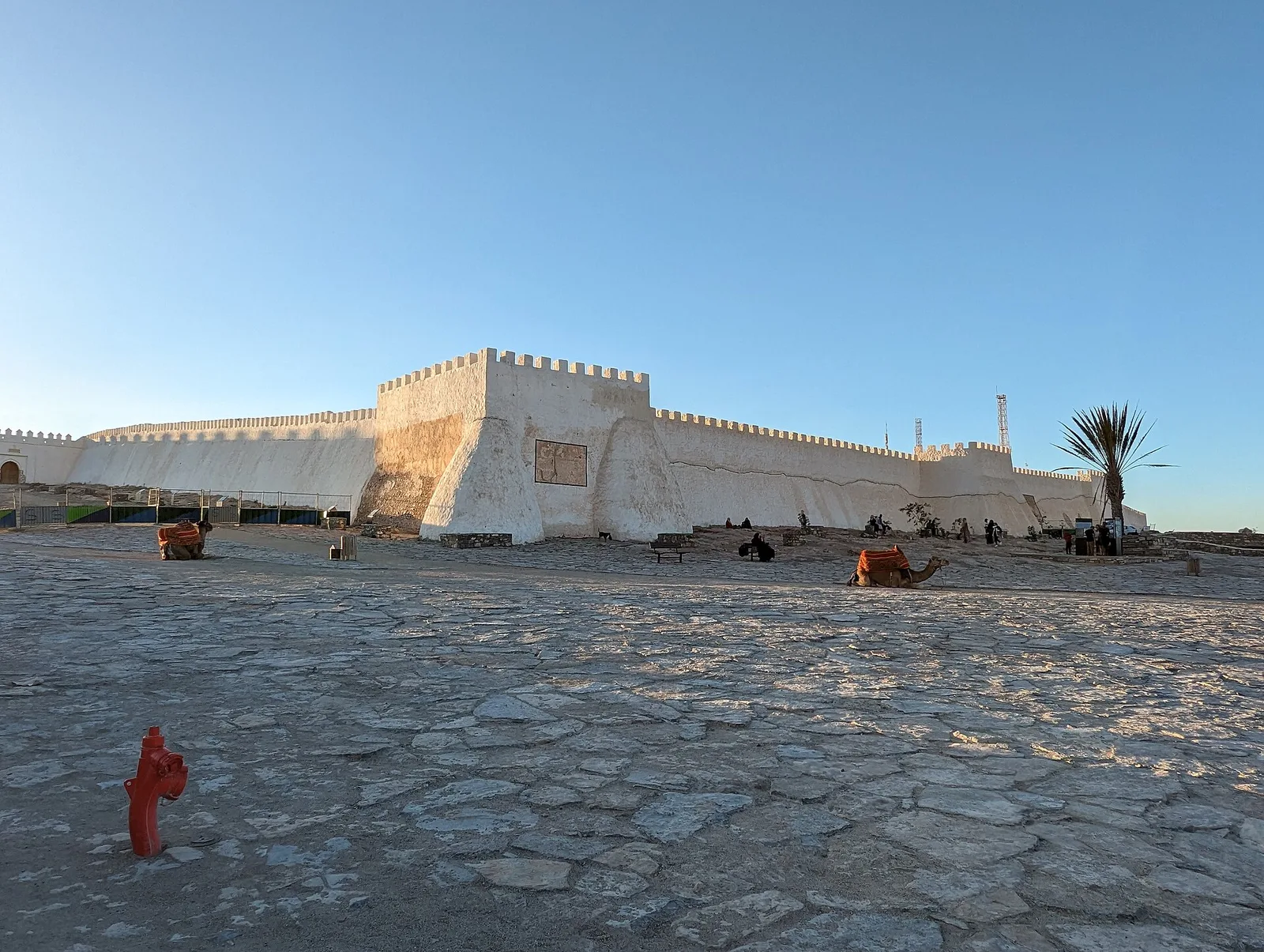
Begin your day at Agadir Oufella Kasbah, one of the city's most iconic landmarks. Located on elevated ground, it offers panoramic views over the bay, harbour, modern city and Atlantic coastline.
The Kasbah is a reminder that Agadir had a rich historical heritage long before it became the major seaside destination it is today. The earthquake of 29 February 1960 profoundly affected the city and destroyed much of its historic urban fabric.
Today, visiting the site provides an opportunity to explore this history while appreciating the geography of the bay. From the heights, you can better understand the relationship between the city, the sea and the surrounding hills.
Allow time to admire the scenery, take photographs and observe the different neighbourhoods. Visiting early in the morning can also provide a quieter atmosphere than during the middle of the day.
A few practical tips:
- Wear comfortable shoes.
- Bring water, especially during hot weather.
- Protect yourself from the sun, as some areas are exposed.
- Check access conditions before your visit.
Plan this stop with our Agadir Oufella Kasbah guide.
2. Late Morning: Choose a Museum According to the Day
After visiting the Kasbah, spend part of the morning at a museum. Two options offer complementary perspectives on the city's history and culture: the Agadir Reconstruction Museum and Agadir Art Museum.
Your choice will partly depend on the day of your visit. According to information from the National Foundation of Museums (FNM), the Reconstruction Museum is closed on Tuesdays, while Agadir Art Museum is closed on Mondays. Since opening hours may change, confirm them before setting out.
The Agadir Reconstruction Museum
The Reconstruction Museum helps visitors understand the changes caused by the 1960 earthquake and the subsequent rebuilding of the city.
This visit provides essential context for understanding modern Agadir. The city cannot be understood solely through its beaches, hotels and tourist facilities: its urban layout is also the result of a major historical event.
The museum is particularly worthwhile if you want to understand how Agadir evolved from an older settlement into a rebuilt and modernised city.
Practical information is available in our Agadir Reconstruction Museum guide.
Agadir Art Museum
If the Reconstruction Museum is closed, or if you would prefer an artistic perspective, Agadir Art Museum is another option.
An art museum offers a different way to explore culture through artworks, artistic perspectives and creative expression that complement visits to historic sites.
Before leaving, check the opening hours, access conditions and any temporary exhibitions.
Find more information in our Agadir Art Museum guide.
Planning tip: You do not necessarily need to visit both museums on the same day. With only two days in Agadir, it is better to maintain a comfortable pace and leave enough time for the souk and seafront.
3. Lunchtime: Discover Local Flavours
After your morning visits, take a break for lunch. Agadir's cuisine reflects Moroccan traditions, agricultural produce from the Souss region and the city's proximity to the Atlantic.
If you enjoy fish, look for a restaurant serving grilled sardines or fish prepared according to the day's catch. Tajines, couscous, Moroccan salads and grilled meats are other options for discovering local cuisine.
The important thing is to take time to enjoy your meal rather than treating lunch as just another stop between attractions.
A few recommendations:
- Ask the price before ordering fish sold by weight.
- Check the ingredients if you have food allergies.
- Choose seasonal products whenever possible.
- Leave some time for a short walk after eating.
For more ideas, explore our guide to Agadir's Gastronomy.
4. Afternoon: Explore the City Centre and Souk El Had
Spend the afternoon exploring the city centre and Souk El Had, one of Agadir's major markets.
The souk offers a practical glimpse into local commercial life. Depending on the stalls and the season, you may find fruit, vegetables, spices, olives, dried fruit, handicrafts and a variety of Moroccan specialities.
It is an interesting place to observe shopping habits, compare products and discover ingredients that play an important role in the cuisine of the Souss.
The market is also a good place to look for regional products such as culinary argan oil, amlou, honey and almonds. When buying these products, take time to ask about their origin, ingredients and storage conditions.
If you plan to take food products home, also check transport rules and any restrictions that may apply in your destination country.
Prepare your visit with our Souk El Had in Agadir guide.
5. Late Afternoon: Enjoy the Beach and Seafront
Finish your first day with a walk along the beach and seafront.
The coastline is one of Agadir's most popular areas. The broad beach, promenade and nearby establishments provide a pleasant setting to slow down after a day of sightseeing.
You can simply walk beside the ocean, stop for a drink or watch the activity around the bay. If conditions are suitable, swimming may also be an option, provided you follow safety instructions and pay attention to the state of the sea.
The seafront reveals another side of Agadir, focused more on leisure, walking and seaside tourism.
Avoid overloading the end of the day. After visiting the Kasbah and a museum, having lunch and exploring the souk, a relaxing walk by the water is a well-balanced way to finish.
6. Evening: Have Dinner and Prepare for the Next Day
For dinner, choose according to your preferences: a Moroccan restaurant, a seafood establishment, a grill restaurant or international cuisine.
Use the evening to prepare for your second day. If you plan to join a guided excursion, check the departure time, meeting point, travel duration and cancellation policy.
Excursions to Paradise Valley, Taghazout, Taroudant and Tiznit offer different experiences and schedules. The best choice depends on your budget, mobility and the type of experience you want.
Day 2: Three Excursion Options from Agadir
Several itineraries are possible for your second day. It is generally better to choose one main excursion rather than trying to visit several distant destinations in just a few hours.
Here are three ways to plan the day: the coast and Taghazout, Paradise Valley, or a fortified town such as Taroudant or Tiznit.
Option A: Taghazout and the Atlantic Coast
An Easy Trip for the Sea and Surf
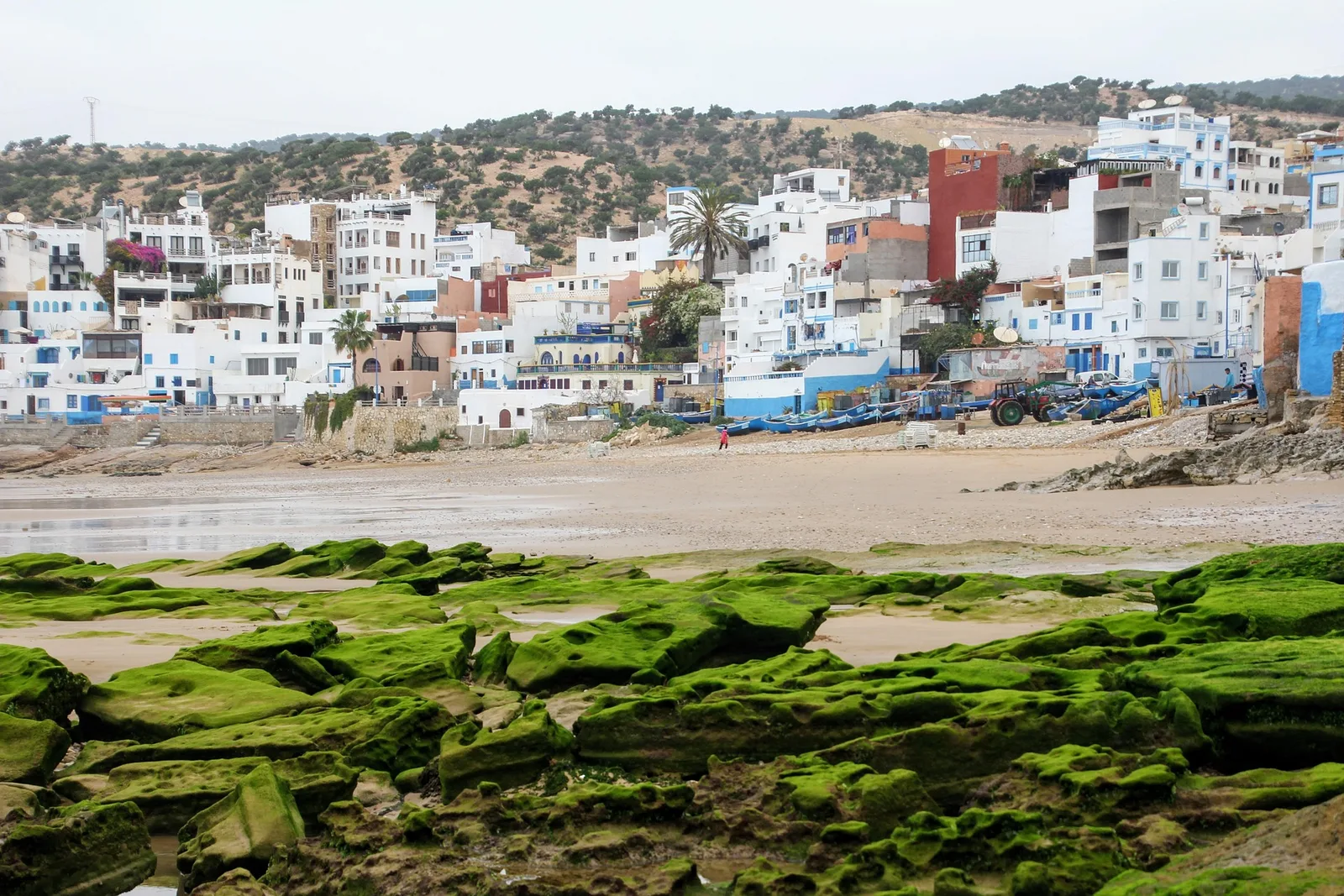
Located approximately 19 kilometres north of Agadir, Taghazout is a former fishing village that has become a well-known surfing destination.
The coastal road reveals different seascapes, including beaches, rocky areas and small settlements. Several surf spots extend along this stretch of coastline towards Cap Ghir.
This excursion is particularly suitable for travellers who want to enjoy the ocean without spending too much time away from Agadir.
What Can You Do in Taghazout?
You can spend the day on several activities, depending on the weather and sea conditions.
Take a surf lesson
Taghazout attracts surfers of different abilities. If you are a beginner, a lesson with a local instructor can help you learn the basics and understand the safety rules.
Conditions vary according to the season, swell and surf spot. It is therefore best to choose where to surf with the advice of a professional.
Explore the village
Taghazout has a different atmosphere from Agadir. Walking through the village allows you to discover its small streets, cafés and businesses catering to water sports enthusiasts.
Enjoy the beaches
The beaches along this part of the coast are suitable for walking, watching the ocean and, when conditions allow, swimming.
However, swimming is not always advisable everywhere. Currents and waves can be strong, so follow local advice and choose supervised areas whenever available.
Have lunch by the ocean
Taghazout offers several dining options, particularly for travellers looking for fish or a simple meal after a sporting activity.
As in Agadir, check prices and ask which products are available on the day of your visit.
Who Is Taghazout Best For?
Taghazout is a good choice if you are looking for:
- A relatively short excursion from Agadir.
- A day focused on the ocean and beaches.
- An introduction to surfing or another water activity.
- The atmosphere of a coastal village.
- A flexible itinerary without an extended cultural visit.
An Activity to Book
If you would like to learn to surf, consider this activity:
Surfing in Taghazout – Private Surf Lesson with a Local Coach.
This activity is offered by a partner operator. Before booking, check the required skill level, what is included, the schedule and the cancellation policy.
To compare beaches and surf destinations in the region, see our guide to Beaches and Surfing Around Agadir: Agadir, Taghazout, Imsouane and the Southern Coast.
Option B: Paradise Valley and the High Atlas Mountains
An Excursion into the Natural Landscapes of the Souss
Approximately 60 kilometres northeast of Agadir, Paradise Valley leads towards Imouzzer Ida Outanane in the mountainous High Atlas region.
This trip reveals a landscape very different from the coastline. Hills, gorges, vegetation and natural pools create a striking contrast with Agadir's beaches.
The valley is particularly appealing to travellers who want to devote part of their stay to nature.
What Can You See in Paradise Valley?
The route passes through mountain scenery and reaches areas where water has shaped gorges and natural pools.
When conditions are favourable, some pools offer opportunities to cool off. However, water levels, accessibility and swimming conditions vary according to the season and rainfall.
The waterfalls of Oued Tinkert flow only in winter. If you want to see waterfalls or enjoy pools filled with water, it is essential to check recent conditions rather than relying only on photographs.
The valley does not look the same throughout the year. Seasonal changes, rainfall and local conditions have a significant impact on the experience.
Discover Imouzzer Ida Outanane
Imouzzer Ida Outanane is another highlight of this excursion. The region is associated with mountain landscapes and local honey production.
A market takes place in Imouzzer on Thursday mornings. If your visit coincides with this day, you can ask whether it is possible to include the market in your itinerary.
The market provides an opportunity to discover local products and gain a better understanding of commercial life in the countryside around Agadir.
How Much Time Should You Allow?
A half-day excursion to Paradise Valley lasts approximately six hours, depending on the itinerary and travel conditions. It may be possible to combine it with a late afternoon in Taghazout, but this depends on the departure time, the actual duration of the visit and the available transport.
For a more relaxed programme, particularly if you want to walk and enjoy the scenery, avoid adding too many stops.
Practical Tips
- Wear suitable walking shoes.
- Bring water and sun protection.
- Check access conditions and trail conditions.
- Do not dive into a pool without knowing its depth.
- Follow your guide's instructions and local safety advice.
- Check the condition of the pools and waterfalls before departure.
An Activity to Book
To explore the region with a guide, consider:
Adventure in Paradise Valley and the Atlas Mountains from Agadir.
Before booking, check the exact itinerary, duration, included transfers, any additional charges and the cancellation policy.
For more information, consult our Paradise Valley and Imouzzer guide.
Option C: Taroudant or Tiznit for a Day of Cultural Discovery
If you prefer history, architecture and medinas to beaches or outdoor activities, devote your second day to a fortified town.
Two destinations stand out: Taroudant, east of Agadir, and Tiznit, to the south. Each has a distinct atmosphere and offers a different perspective on the region's heritage.
Taroudant: A Medina Surrounded by Ramparts
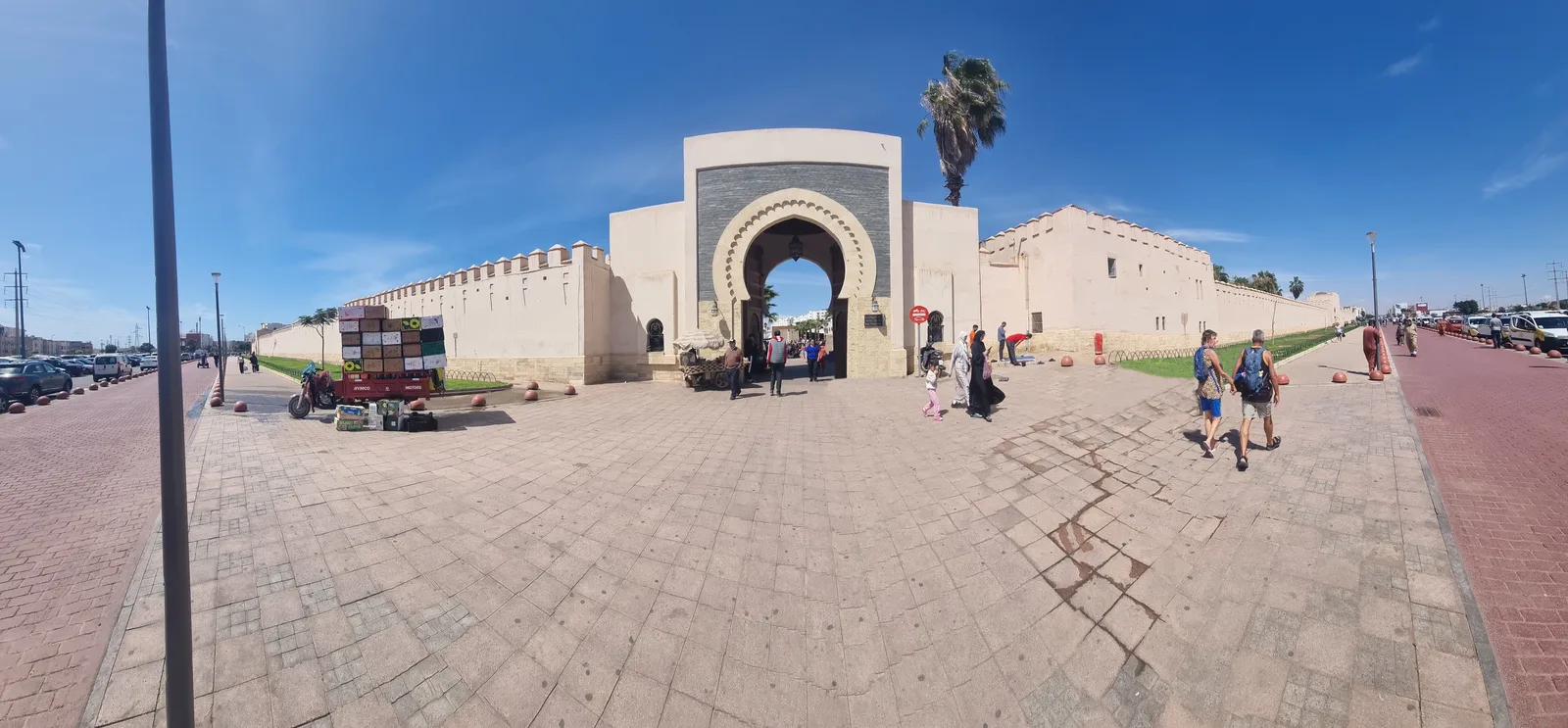
Located approximately 80 kilometres east of Agadir, Taroudant is known for its ramparts and historic centre.
The medina is surrounded by fortifications extending for several kilometres. The walls, punctuated by monumental gates, are among the town's most remarkable features.
A visit reveals a historic urban environment that contrasts with Agadir, which was rebuilt after the 1960 earthquake.
You can spend part of the day walking alongside the ramparts, discovering the gates and exploring the streets of the medina.
Markets and small shops also offer a glimpse into local commercial life. Take time to discover handicrafts, and check their origin if you intend to make a purchase.
Taroudant is particularly suitable for travellers interested in:
- Historic towns in southern Morocco.
- Ramparts and fortified gates.
- Medinas and markets.
- Handicrafts and local commercial life.
- A full-day cultural excursion.
Tiznit: A Fortified Town South of Agadir
Located approximately 90 kilometres south of Agadir, Tiznit is another interesting destination for a cultural excursion.
The town was founded in the late nineteenth century and has a historic enclosure dating from 1883. Its ramparts reflect its urban development and importance in regional history.
The medina offers a different setting from Agadir, with traditional streets, fortified gates and commercial areas.
Tiznit is also associated with silverwork and traditional jewellery. Visitors interested in handicrafts can gain an insight into local skills, provided they take time to compare pieces and ask about the materials used.
A day in Tiznit can combine a walk through the medina, a visit to the ramparts and markets, and a lunch break.
For more information, see our Tiznit Medina guide.
Taroudant or Tiznit: Which Should You Choose?
The choice depends on your interests, the weather and transport options.
Choose Taroudant if you want to explore a historic medina known for its ramparts and lively commercial atmosphere.
Choose Tiznit if you want to discover a fortified town in southern Morocco, explore its traditional streets and learn about local crafts, particularly jewellery.
In either case, allow enough time to enjoy the visit without having to leave immediately after arriving.
If You Have an Extra Day: Explore the Southern Region
If you can extend your stay in Agadir, a third day opens up more possibilities. You could consider a longer excursion to Tafraout, Legzira or Sidi Ifni.
These destinations offer landscapes and towns quite different from those found around Agadir.
Tafraout and the Painted Rocks
Tafraout lies in the mountainous Anti-Atlas region. The area is known for its rock formations and striking mineral landscapes.
The painted rocks are a distinctive site that attracts visitors interested in scenery and artworks created within this environment.
This excursion is ideal for those who want to explore the hinterland and move beyond itineraries focused mainly on the coast.
Consult our Tafraout Painted Rocks guide.
Legzira: A Spectacular Coastline
Legzira Beach is known for its coastal scenery and rock formations shaped by erosion.
It is an excellent destination for walking, photography and observing the Atlantic. Coastal conditions can change, particularly because of erosion and sea conditions.
Before visiting, check access conditions and follow local safety advice.
Find more information in our Legzira Beach guide.
Sidi Ifni: Architecture and Atlantic Atmosphere
Sidi Ifni offers another perspective on Morocco's southern coast. Its architectural heritage, particularly its Art Deco influences, reflects a distinctive urban history.
The town combines cultural discovery with walks in a coastal setting. It can be included in a wider journey south, provided you allow enough time for travel.
Consult our Sidi Ifni and Art Deco Heritage guide.
To organise these trips, also explore our guide to Excursions from Agadir.
Practical Tips for Making the Most of Two Days in Agadir
A two-day stay requires some planning, particularly if you intend to leave the city on the second day.
1. Choose Your Excursion Before Planning Your Schedule
The three options require different levels of organisation. Taghazout is relatively close to Agadir, while Paradise Valley requires more travel time. Taroudant and Tiznit are better suited to a full day of cultural exploration.
Choose your destination first, then adapt your schedule to the actual journey time.
2. Book Guided Excursions in Advance During Peak Season
During busy travel periods, some activities may sell out or have fewer available departures.
Compare what is included, group size, transfers, duration and cancellation conditions. Do not rely solely on the advertised price.
3. Check Museum Opening Hours
Museum opening hours can change. According to information from the National Foundation of Museums, the Agadir Reconstruction Museum is closed on Tuesdays, while Agadir Art Museum is closed on Mondays.
Confirm these details before your visit and adjust the order of your stops if necessary.
4. Consider Seasonal Conditions
Weather and natural conditions can affect your excursion options.
The waterfalls of Oued Tinkert flow only in winter. Swimming conditions in natural pools also depend on rainfall and water levels.
Surfing depends on the swell and sea conditions. Mountain excursions may also be affected by weather and road conditions.
5. Pack an Appropriate Day Bag
For a day of sightseeing in the city, bring water, sun protection, comfortable shoes and a suitable means of payment.
For a mountain excursion, add walking shoes and clothing appropriate for the weather.
For a surfing day, check what the operator provides and what you need to bring yourself.
6. Allow Extra Time for Travel
Advertised travel times are indicative. Traffic, stops, road conditions and the progress of an activity may extend the day.
Avoid scheduling another activity with a strict start time immediately after an excursion.
Where to Stay for a Two-Day Trip to Agadir
For a short stay, choosing the right accommodation can make planning much easier.
Accommodation near the city centre or seafront can simplify access to the beach, restaurants and several attractions. If you are leaving early for a guided excursion, also check the pickup location and how easily you can reach the meeting point.
Before booking, compare:
- The location in relation to the places you want to visit.
- Cancellation conditions.
- Check-in and check-out times.
- Breakfast options.
- Any additional charges.
- Transport options from the airport.
If you are arriving by plane, consult our practical guide to Agadir-Al Massira Airport: Access, Taxis, Buses and Tips.
Activities to Book in Agadir
If you would like to spend your second day on a guided activity, two options fit particularly well with this itinerary.
- Adventure in Paradise Valley and the Atlas Mountains from Agadir
- Surfing in Taghazout – Private Surf Lesson with a Local Coach
These activities are offered by partner operators. Before booking, check the cancellation policy, exact itinerary, schedule, included transfers and any additional charges.
You can also browse all activities in Agadir to compare the available options.
More Guides to Help You Plan Your Stay
To explore the city and surrounding region in greater depth, see our other guides:
- Agadir in 1 Day: a detailed itinerary covering the city's main attractions.
- Beaches and Surfing Around Agadir: Agadir, Taghazout, Imsouane and the southern coast.
- Excursions from Agadir: ideas for exploring the surrounding region.
- Agadir History and Heritage: A Complete Guide: discover the major stages of the city's history.
- Complete Guide to Agadir: prepare your visit and organise your stay.
- Agadir Destination Guide: discover the destination and its main attractions.
Conclusion: Two Days to Discover Agadir and Its Region
Visiting Agadir in two days allows you to combine the discovery of a city rebuilt after the 1960 earthquake with the exploration of very different nearby landscapes.
The first day can be devoted to Agadir Oufella Kasbah, a museum, Souk El Had and the beach. The second day offers several possibilities: enjoy the coastline and surf in Taghazout, discover the natural scenery of Paradise Valley, or explore the heritage of Taroudant and Tiznit.
The best itinerary depends on your interests. Travellers who enjoy the sea and sporting activities will appreciate Taghazout; those looking for nature may prefer Paradise Valley; and visitors interested in history and architecture may find Taroudant or Tiznit more rewarding.
If you have a third day, Tafraout, Legzira and Sidi Ifni provide opportunities to explore southern Morocco in greater depth.
The key is to choose a realistic programme, check opening hours and visiting conditions, and leave enough time to appreciate the landscapes, cuisine and atmosphere of the region.
Cover photo: village and beach of Taghazout, peggy_marco, Pixabay.