Morocco is Also Discovered Through Its Cuisine
There are a thousand ways to discover Morocco.
By admiring the mosaics of a palace in Marrakech.
By wandering through the blue alleys of Chefchaouen.
By gazing at the Sahara dunes at sunset.
By visiting the medersas of Fez or the ramparts of Essaouira.
But there is another way to travel.
A way that is more discreet, more authentic, more intimate.
It often begins around a table.
For in Morocco, cuisine is much more than a succession of recipes.
It is a memory.
A language.
A heritage.
Each dish tells a story of encounters between peoples, territories, and traditions that have shaped the identity of the Kingdom over the centuries.
The early culinary know-how of the Amazigh people was enriched by influences from the East with the Muslim dynasties. Later, Andalusian families who took refuge in Morocco brought a refined taste for sweet-and-savory combinations and pastries. Moroccan Jewish communities also passed down recipes and techniques that have become integral to the national culinary heritage. Exchanges with Sub-Saharan Africa, the Sahara, the Mediterranean, and Europe gradually introduced new ingredients, spices, and cooking methods.
This diversity explains why there is not just one Moroccan cuisine.
There are Moroccan cuisines.
Those of the Atlas Mountains.
Of the Atlantic plains.
Of the imperial cities.
Of the Rif.
Of the Sahara.
Of the oases.
Of fishing ports.
Of medinas.
And of villages where some recipes have hardly changed for generations.
It is this richness that makes Moroccan gastronomy one of the most renowned in the world.
Yet, many travelers leave Morocco thinking they have discovered its cuisine after a tajine and a couscous.
They miss out on an exceptional culinary heritage.
The bissara enjoyed at dawn in a small eatery.
The tanjia simmering for hours in the embers of a traditional Marrakech oven.
Freshly grilled sardines at the Essaouira port.
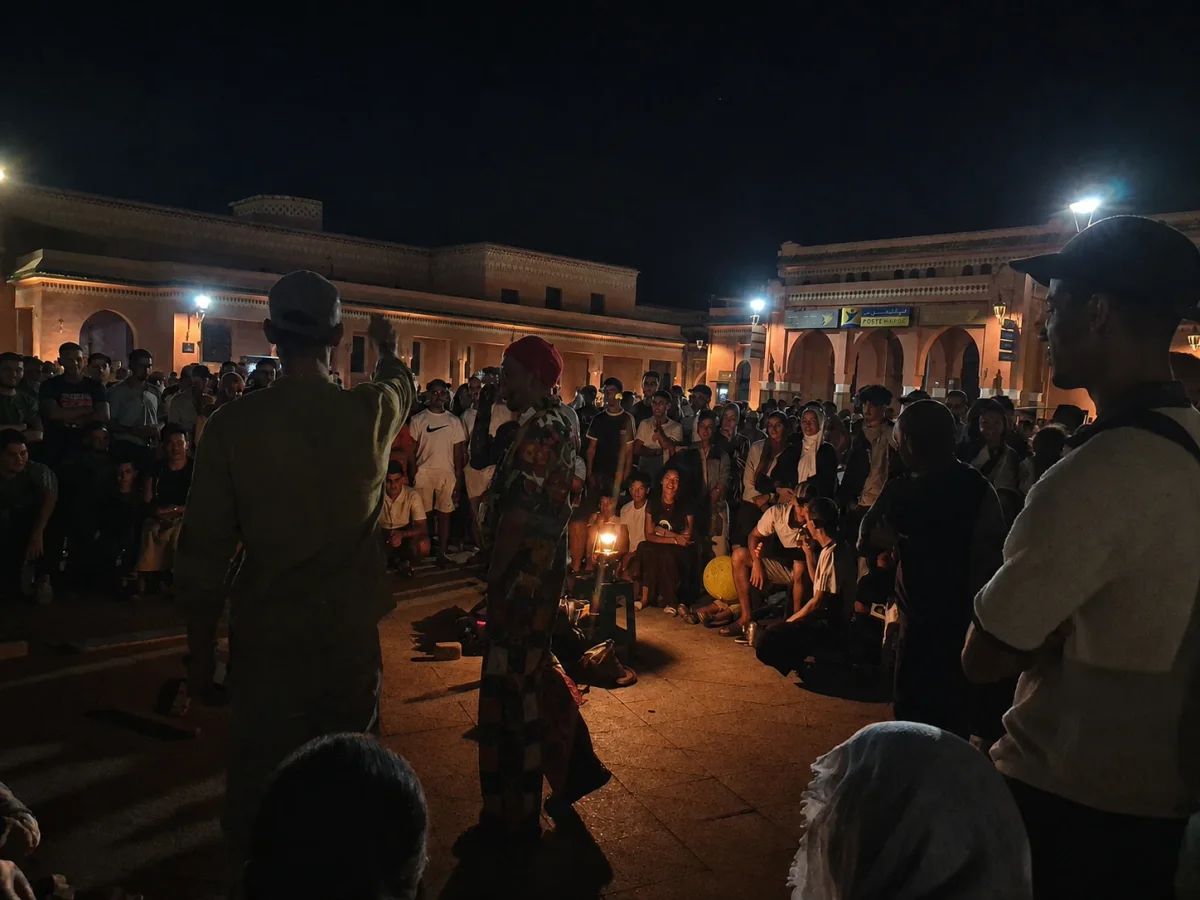
Herb-flavored snails in a bustling square.
The msemen still warm shared at breakfast.
The sellou prepared with family for major celebrations.
Each dish tells a region.
Each recipe tells a story.
Each flavor tells a different Morocco.
In this guide, MoroccoMuseum takes you on a journey to discover 30 essential specialties that allow you to understand the country in a different way.
More than just a list of dishes, it is a journey through traditions, terroirs, know-how, and Moroccan hospitality.
Before we begin, a piece of advice.
Don’t just look for the fanciest restaurants.
Look for the good addresses.
The small eateries where locals line up.
The traditional ovens where bread is still baked.
The markets where spices color the stalls.
The families that keep ancient recipes alive.
It is often there that the most beautiful travel memories are born.
1. Couscous: The Dish That Brings Generations Together
An Amazigh Heritage That Became a National Symbol
Couscous is undoubtedly the most famous dish in Morocco.
But its history is much older than the Kingdom itself.
Historical research places its origins in the Amazigh societies of North Africa, where grains already held an essential place in the diet. Over the centuries, this preparation was enriched through trade exchanges, Andalusian influences, and the traditions unique to each Moroccan region.
Today, couscous has become much more than just a meal.
It symbolizes sharing.
Every Friday, after prayer, entire families gather around a large dish placed in the center of the table. Everyone takes their share in an atmosphere where conviviality matters as much as the food.
This tradition can be found throughout the country, even if each region has its own interpretation.
...
1. Couscous: The Dish That Brings Generations Together
A History That Spans Millennia
Long before the birth of the imperial cities, Moroccan dynasties, or even the great trade routes, the Amazigh populations of North Africa were already preparing grains transformed into fine semolina steamed.
Archaeological excavations and historians' work show that this technique is very ancient. Over the centuries, couscous evolved through exchanges between the various cultures present in Morocco, gradually becoming one of the symbols of national gastronomy.
Today, it is prepared in all regions of the Kingdom.
Each family has its recipe.
And every grandmother proudly claims that hers is the best.
What Does Moroccan Couscous Contain?
The recipe varies greatly depending on the regions and seasons, but it generally includes:
- steamed semolina;
- seasonal vegetables (carrots, turnips, zucchini, squash, cabbage...);
- chickpeas;
- meat (lamb, beef, or chicken);
- a broth delicately flavored with spices.
In some regions, couscous is prepared with barley instead of wheat.
Other versions use raisins, caramelized onions, or even fish along the Atlantic coast.
This diversity is what makes the dish so rich.
When Do We Eat Couscous in Morocco?
Friday remains the main day for couscous.
After prayer, families gather around the same dish.
But it is also served on:
- weddings;
- religious holidays;
- large family gatherings;
- important celebrations.
Sharing a couscous is primarily a moment of conviviality.
📍 Where to Taste It?
Everywhere in Morocco.
But each region has its identity.
In Fez, some recipes are distinguished by their refinement.
In the Atlas, barley couscous recalls mountain traditions.
In Agadir and the Souss, you may find versions accompanied by argan oil.
💡 Did You Know?
In 2020, couscous was inscribed on the UNESCO Representative List of the Intangible Cultural Heritage of Humanity, following a joint application from several Maghreb countries.
⭐ MoroccoMuseum Tip
If you are invited to a Moroccan family on a Friday, accept with pleasure.
You will not only discover an excellent meal but also one of the most beautiful hospitality traditions in the country.
2. Tajine: The Taste of Slow Cooking
More Than a Dish, a True Culinary Art
Worldwide, tajine is often considered the symbol of Moroccan cuisine.
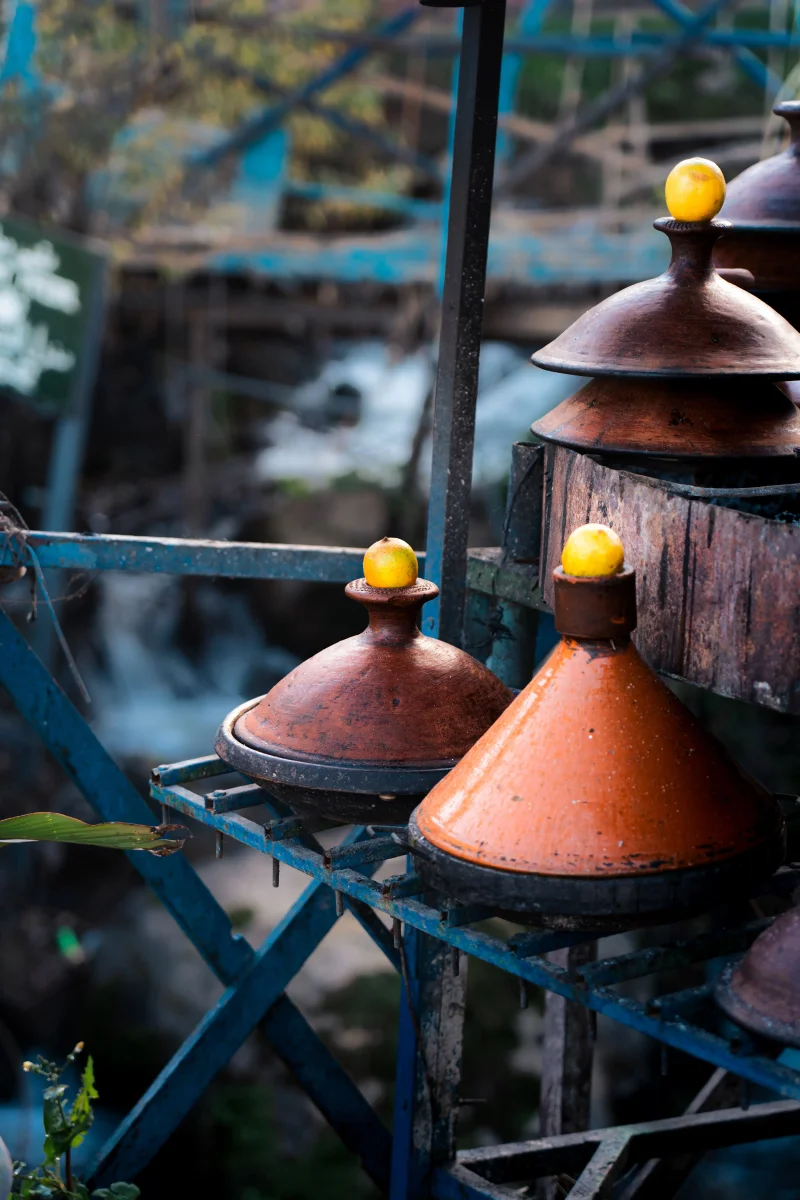
Yet, many are unaware that the word "tajine" primarily refers to the earthenware pot in which food is slowly cooked.
Its conical lid allows steam to circulate and then fall back onto the ingredients.
This gentle cooking preserves flavors, tenderizes meats, and concentrates aromas.
In Morocco, preparing a tajine takes time.
And it is precisely this time that makes all the difference.
Major Specialties
There are dozens of recipes.
Among the most popular:
- chicken tajine with preserved lemon and olives;
- beef tajine with prunes and almonds;
- kefta tajine with eggs;
- lamb tajine with vegetables;
- fish tajine, particularly appreciated on the coasts.
Each region also has its variations.
In Fez, Andalusian influences often favor a balance between sweet and savory.
In Marrakech, some recipes highlight the spices more.
📍 Where to Taste It?
In all regions of Morocco.
But to experience authenticity, choose a traditional restaurant or a family table rather than an establishment offering standardized menus.
💡 Did You Know?
In the past, many families cooked their tajines on a kanoun, a small charcoal brazier.
This slow cooking gave the dishes a unique aroma that some cooks still preserve today.
⭐ MoroccoMuseum Tip
Don’t necessarily choose the restaurant with the largest menu.
Often, the best addresses only offer a few tajines prepared each day with fresh ingredients.
3. Tanjia Marrakchia: The Culinary Treasure of Marrakech
The Dish of Artisans
If there is one specialty intimately linked to Marrakech, it is the tanjia.
Its history is inseparable from the daily life of the medina.
In the past, artisans in the souks prepared their meat early in the morning in a clay jar. They added garlic, preserved lemon, cumin, saffron, smen, and other spices, then carefully sealed the container.
Before heading to their workshop, they would leave the tanjia with the ferrane (traditional baker) or near the embers of a hammam.
For several hours, the gentle heat would slowly melt the meat.
By the end of the day, the meal was ready.
This cooking method, almost unchanged for generations, makes the tanjia a true symbol of Marrakech.
An Incomparable Taste
Unlike tajine, tanjia usually does not contain vegetables.
All attention is focused on the meat and spices.
The very slow cooking allows for a tenderness that almost falls apart.
The rich and fragrant juice is enjoyed with traditional bread.
📍 Where to Taste It?
In Marrakech, of course.
Some small eateries and restaurants still perpetuate this tradition using ancestral cooking methods.
💡 Did You Know?
The tanjia is sometimes nicknamed the dish of bachelors, as artisans would prepare it themselves before heading to work, without needing to return home to cook during the day.
⭐ MoroccoMuseum Tip
If you visit Marrakech, don’t leave the city without tasting a true tanjia prepared according to tradition.
It represents one of the most authentic culinary experiences of the Red City.
4. Pastilla: The Elegance of Moroccan Cuisine
When Sweet Meets Savory
Among the most refined dishes in Morocco, pastilla holds a special place.
It perfectly illustrates the Andalusian influences that enriched Moroccan gastronomy from the Middle Ages, when many families from Al-Andalus settled in cities like Fez, Tétouan, Rabat, or Chefchaouen.
At first glance, pastilla surprises.
Its fine golden and crispy pastry encloses a fragrant filling of meat, almonds, eggs, spices, and orange blossom water. Once cooked, it is delicately dusted with powdered sugar and cinnamon.
This contrast between sweet and savory, so characteristic of Moroccan cuisine, often astonishes visitors… before enchanting them.
A Festive Recipe
Traditionally, pastilla was prepared with pigeon.
Today, chicken has become the most common version, although some families still uphold the original recipe for special occasions.
Its preparation requires patience, precision, and experience.
That’s why it is often reserved for:
- weddings;
- religious holidays;
- major receptions;
- family meals.
📍 Where to Taste It?
Fez remains the most emblematic city to discover a traditional pastilla.
But excellent versions can also be found in Rabat, Meknès, Tétouan, or Marrakech.
💡 Did You Know?
Today, there are also fish pastillas, particularly popular in coastal cities like Essaouira, Safi, or Casablanca.
⭐ MoroccoMuseum Tip
Pastilla is usually served as a starter during major Moroccan receptions.
Take the time to savor the different textures: the crispness of the pastry, the tenderness of the filling, and the sweetness of the almonds.
5. Harira: The Soup That Brings Families Together
Much More Than a Soup
For many Moroccans, harira immediately evokes Ramadan.
Every evening, at the time of breaking the fast, its aroma fills the homes.
But limiting harira to just the month of Ramadan would be a mistake.
It is enjoyed throughout the year, especially in winter or during family meals.
Prepared with tomatoes, chickpeas, lentils, meat, celery, coriander, parsley, and spices, it constitutes a complete, nourishing, and deeply comforting meal.
A Recipe That Varies by Region
Like many Moroccan dishes, harira has many variations.
Some families use more lentils.
Others prefer chickpeas.
Some versions are thicker, others lighter.
But all rely on slow cooking that allows flavors to fully develop.
📍 Where to Taste It?
Throughout Morocco.
During Ramadan, many bakeries, restaurants, and eateries offer it from late afternoon onward.
💡 Did You Know?
Traditionally, harira is accompanied by dates, chebakia, briouates, or hard-boiled eggs to break the fast.
⭐ MoroccoMuseum Tip
If you visit Morocco during Ramadan, tasting harira at iftar is a cultural as well as gastronomic experience, respecting local customs.
6. Rfissa: A Heritage Passed Down Through Generations
A Deeply Family Dish
Less known to travelers, rfissa is one of the most appreciated dishes in many Moroccan families.
It consists of msemen or trid leaves cut into pieces, covered with a fragrant broth, chicken, lentils, onions, and fenugreek.
Its taste is powerful, generous, and unique.
An Ancient Tradition
Rfissa is often prepared to celebrate important moments in family life.
It is traditionally offered to new mothers after childbirth in many regions of Morocco, but it is also served during celebrations and family gatherings.
Each family has its way of preparing the broth and its spice blend.
📍 Where to Taste It?
It is mainly found in central and northern Morocco, particularly in Fez, Meknès, Rabat, and many inland cities.
💡 Did You Know?
Fenugreek, called helba in Morocco, gives rfissa a characteristic flavor that distinguishes it from all other traditional dishes.
⭐ MoroccoMuseum Tip
Don’t hesitate to try rfissa if you are invited to a local home.
It is rarely highlighted in tourist circuits, yet it is one of the classics of Moroccan family cuisine.
7. Méchoui: The Celebration Around the Fire
An Ancestral Tradition
Méchoui is one of the oldest cooking methods in Morocco.
It involves slowly roasting a whole lamb or large pieces of meat until it becomes incredibly tender.
This tradition is particularly present during major religious holidays, weddings, and family celebrations.
In some cities, establishments still cook lambs in traditional ovens using age-old methods.
A Cooking Method That Requires Patience
The secret of méchoui lies in its cooking.
The meat cooks slowly for several hours.
When it comes out of the oven, it is so tender that it can be enjoyed simply with cumin, salt, and traditional bread.
No sauce is necessary.
The quality of the meat speaks for itself.
📍 Where to Taste It?
Marrakech is renowned for its restaurants specializing in méchoui.
It can also be found in many cities of the Kingdom during major celebrations.
💡 Did You Know?
On the famous Jemaa el-Fna square, some establishments have been serving méchoui for generations.
⭐ MoroccoMuseum Tip
To fully appreciate méchoui, taste it with a bit of cumin and salt, as Moroccans traditionally do.
You will discover the finesse of this ancestral cooking method.
8. Mrouzia: The Jewel of Grand Celebrations
A Recipe Inherited from Imperial Traditions
Mrouzia is one of the most refined dishes in Moroccan cuisine.
Primarily prepared after Eid al-Adha, it once allowed meat to be preserved for several days thanks to spices, honey, and ras el hanout.
This specialty is particularly associated with the traditions of Fez, Marrakech, and Meknès, where it was served during grand family celebrations.
A Unique Balance
Mrouzia is prepared with lamb simmered for a long time, almonds, raisins, honey, rancid butter (smen), and a blend of spices.
The result is a dish where sweet and savory flavors balance with remarkable finesse.
📍 Where to Taste It?
Mainly during religious holidays or in restaurants specializing in traditional cuisine.
💡 Did You Know?
In the past, the richness of spices in mrouzia was also a sign of prestige, as some spices were particularly valuable.
⭐ MoroccoMuseum Tip
If you enjoy sweet-and-savory combinations, mrouzia is a must-try. Its taste is very different from a classic tajine.
9. Trid: An Overlooked Treasure
An Ancient Tradition
Trid is one of the oldest dishes in Moroccan culinary heritage.
It is prepared from thin pancakes called trid, cut and then covered with a fragrant broth of chicken, onions, and spices.
In some regions, it is enriched with lentils or chickpeas.
A Dish of Transmission
Its preparation requires true expertise, especially to create the thin sheets that replace semolina or bread.
Even today, it remains very present during family meals and major occasions.
📍 Where to Taste It?
Mainly in the imperial cities and in families that uphold this tradition.
💡 Did You Know?
Trid is considered one of the ancestors of several Moroccan dishes prepared with pastry sheets, including rfissa.
⭐ MoroccoMuseum Tip
If you have the chance to discover a Moroccan family kitchen, ask if trid is on the menu. It is rarely offered in tourist restaurants.
10. Seffa: When Dessert Becomes a Main Dish
An Astonishing Specialty
Seffa often surprises visitors.
At first glance, it resembles a dessert.
Yet, it is generally served as a main dish or just before dessert during grand celebrations.
Prepared with steamed semolina or vermicelli, it is decorated with powdered sugar, cinnamon, toasted almonds, and sometimes raisins.
Some versions hide fragrant chicken under the semolina.
A Festive Recipe
Seffa accompanies weddings, religious holidays, and large family gatherings.
Its elegant appearance makes it one of the most spectacular dishes in Moroccan gastronomy.
📍 Where to Taste It?
In Fez, Rabat, Casablanca, Marrakech, and in many cities across the Kingdom.
💡 Did You Know?
The decoration of seffa often follows geometric patterns made with cinnamon and powdered sugar, reflecting the Moroccan taste for decorative arts.
⭐ MoroccoMuseum Tip
Don’t be surprised by its sweet appearance: taste it before judging. The balance of flavors is remarkable.
11. Bissara: The Queen of Moroccan Breakfasts
The Dish of Winter Mornings
When temperatures drop, Moroccan eateries fill up from the early hours of the day.
Locals come to enjoy a steaming bowl of bissara, prepared from dried fava beans — or sometimes split peas depending on the regions — simmered for a long time.
Simple, nourishing, and economical, it has accompanied generations of workers, artisans, students, and families.
A Recipe Full of Simplicity
Bissara is served with:
- olive oil;
- cumin;
- sometimes paprika;
- a piece of traditional bread.
Few ingredients.
But a lot of character.
📍 Where to Taste It?
In the small popular eateries throughout Morocco, especially in winter.
💡 Did You Know?
The quality of a bissara is often recognized by its perfectly smooth texture and the balance between the beans, garlic, and olive oil.
⭐ MoroccoMuseum Tip
The best time to discover bissara is early in the morning when locals start their day.
12. Loubia: Popular Cuisine in All Its Generosity
A Classic of Moroccan Neighborhoods
Loubia is one of the most appreciated dishes in popular neighborhoods.
Prepared with white beans simmered in a tomato sauce seasoned with garlic, cumin, paprika, and olive oil, it constitutes a complete, nourishing, and particularly comforting meal.
A Cooking Method That Makes All the Difference
The beans cook slowly for several hours.
This cooking allows them to absorb all the flavors of the spices and sauce.
Served with traditional khobz, loubia is a staple of Moroccan small eateries.
📍 Where to Taste It?
In all cities of Morocco, especially during cool days.
💡 Did You Know?
Each cook has their own recipe. Some add pieces of meat, while others prefer a fully vegetarian version.
⭐ MoroccoMuseum Tip
Don’t be fooled by the simplicity of the dish.
A great loubia prepared with fresh ingredients is one of the best ways to discover Moroccan popular cuisine.
13. Skewers: The Aroma of Moroccan Grills
A Tradition Present Throughout the Kingdom
As night falls, in many Moroccan cities, a characteristic smell fills the streets.
That of meat grilled over coals.
Skewers have been part of Moroccans' daily life for generations. Simple in appearance, they reflect a true know-how: the choice of meat, cutting, marinating, cooking, and mastering the fire.
They can be found everywhere: in souks, markets, popular neighborhoods, beach resorts, or mountain villages.
Recipes That Change by Region
The most common are prepared with:
- lamb;
- beef;
- chicken.
Some regions also offer liver, turkey, or offal skewers, which are highly appreciated by locals.
The marinade varies by family but often includes:
- cumin;
- paprika;
- garlic;
- parsley;
- coriander;
- olive oil.
📍 Where to Taste Them?
The best skewers are not always found in the most famous restaurants.
Small grills frequented by locals often offer exceptional quality.
💡 Did You Know?
In several cities, butchers allow you to choose your meat directly before it is grilled on-site.
⭐ MoroccoMuseum Tip
Accompany them with a Moroccan salad, traditional bread, and a glass of mint tea for a simple yet authentic meal.
14. Kefta Sandwich: The King of Moroccan Street Food
A Staple in Big Cities
If there is a fast meal appreciated by all generations, it is the kefta sandwich.
Prepared with meatballs or pieces of seasoned ground meat, grilled over coals, it is served in a crispy bread with fresh salad, tomatoes, onions, and a spicy sauce.
In Casablanca, Marrakech, Rabat, Fez, or Tangier, it is part of daily life.
A Simple... Yet Demanding Recipe
The quality of the meat is essential.
The best vendors use fresh meat, ground daily, then seasoned with:
- cumin;
- paprika;
- coriander;
- parsley;
- garlic.
Each neighborhood has its reputed address.
📍 Where to Taste It?
In small sandwich shops frequented by locals.
💡 Did You Know?
In some cities, the sandwich is prepared right in front of the customer, allowing for personalized toppings.
⭐ MoroccoMuseum Tip
Avoid empty establishments.
Wherever Moroccans queue, it’s often the best sign of quality.
15. Grilled Sardines: The Treasure of the Atlantic
Morocco, the World’s Leading Producer of Sardines
With over 3,500 kilometers of coastline along the Atlantic Ocean and the Mediterranean Sea, Morocco has one of the richest fisheries in the world.
The sardine holds a special place in this maritime tradition.
Affordable, tasty, and rich in omega-3, it is consumed throughout the country.
Popular Cuisine
Sardines can be:
- grilled;
- stuffed with chermoula;
- fried;
- cooked in tajine.
Each coastal region has its habits.
Essaouira, Safi, Agadir, Casablanca, Larache, or Al Hoceïma each offer their specialties.
📍 Where to Taste Them?
The best place remains the fishing ports and restaurants that work directly with the day’s catch.
💡 Did You Know?
Morocco is one of the main exporters of sardines in the world, but locals also consume a large portion of this resource locally.
⭐ MoroccoMuseum Tip
A grilled sardine just hours after being caught offers an incomparable flavor.
16. Fish with Chermoula: The Heritage of Moroccan Coasts
When Spices Meet the Sea
Chermoula is one of the most emblematic preparations of Moroccan cuisine.
Made from coriander, parsley, garlic, cumin, paprika, lemon, and olive oil, it perfectly accompanies fish.
Each family has its own recipe.
A Tradition of the Atlantic and Mediterranean Coast
Dorado, whiting, sole, or mackerel are often marinated for several hours before being grilled or baked.
This cuisine reflects the historical importance of fishing in many Moroccan cities.
📍 Where to Taste It?
Essaouira, Agadir, Al Hoceïma, Tangier, Larache, or Dakhla.
💡 Did You Know?
The recipe for chermoula varies considerably by region and family.
⭐ MoroccoMuseum Tip
Always ask which fish arrived that morning.
Specialized restaurants often change their menu based on the day’s catch.
17. Snails (Babouch): The Surprise of Moroccan Squares
A Tradition That Intrigues Travelers
In the evening, some Moroccan squares fill up with small stalls offering a dish that often surprises visitors: snails.
In Morocco, they are known as babouch.
Served in a broth flavored with a mix of herbs and spices, they are a street food classic.
Much More Than Just a Snack
The broth is almost as important as the snails themselves.
Each vendor has their mix of herbs, sometimes jealously guarded as a secret.
Many Moroccans enjoy the fragrant liquid as much as the snails.
📍 Where to Taste Them?
Lively squares like Jemaa el-Fna in Marrakech are famous for their babouch stands, but they can be found in many cities.
💡 Did You Know?
Recipes can contain more than a dozen different aromatic plants, giving each vendor a unique flavor.
⭐ MoroccoMuseum Tip
If you try babouch for the first time, watch the locals: they will naturally show you how to enjoy them.
18. Maakoudas: The Potato Cakes That Win Everyone Over
A Star of Street Food
It’s impossible to talk about Moroccan street food without mentioning maakoudas.
These potato cakes, crispy on the outside and soft on the inside, are found in almost every city.
They can be enjoyed alone, in a sandwich, or as a side dish.
A Simple Recipe That Became Essential
Prepared with:
- potatoes;
- garlic;
- parsley;
- coriander;
- cumin;
- eggs.
They are then fried until they achieve a beautiful golden color.
📍 Where to Taste Them?
In markets, bakeries, eateries, and street vendors.
💡 Did You Know?
In some regions, maakoudas are served with harissa or a spicy tomato sauce.
⭐ MoroccoMuseum Tip
For an authentic experience, order a maakouda sandwich prepared on the spot in a small neighborhood stall.
It’s one of the best value-for-money options in Moroccan street food.
19. Khobz: The Bread at the Heart of the Moroccan Table
Much More Than Just Food
In Morocco, a meal without bread is almost unthinkable.
Khobz, this round bread with a slightly golden crust and soft crumb, accompanies almost all dishes: tajines, grills, salads, soups, or even a simple glass of tea.
But its role goes far beyond gastronomy.
Bread is a symbol of sharing, respect, and generosity. In many families, it is treated with particular care. Waste is avoided, and when a piece falls to the ground, some people pick it up out of respect for this essential food.
A Craft Still Very Much Alive
In many neighborhoods and villages, residents still prepare their dough at home before bringing it to the ferrane, the traditional oven of the neighborhood.
The baker bakes the breads of several families in succession, each marked with a distinctive sign to avoid confusion.
This tradition, still alive in several Moroccan cities, is part of daily heritage.
📍 Where to Discover It?
Everywhere in Morocco.
For an authentic experience, go early in the morning near a traditional oven.
💡 Did You Know?
Morocco has a wide variety of breads: classic khobz, barley bread, whole grain bread, corn bread, or regional breads prepared according to ancestral recipes.
⭐ MoroccoMuseum Tip
If you have the opportunity to visit a traditional oven with the baker's permission, take a few minutes to observe their work. It’s a scene of Moroccan daily life that has changed very little over generations.
20. Msemen: The Star of Breakfasts
A Treat Found Everywhere
It’s impossible to spend a few days in Morocco without encountering msemen.
This flaky pancake, crispy on the outside and soft on the inside, accompanies breakfasts, snacks, and sometimes even meals.
Its success relies on a precise gesture: the dough is stretched very thin before being folded several times to create its famous layers.
Plain or Indulgent?
Msemen can be enjoyed:
- with butter and honey;
- accompanied by fresh cheese;
- with jam;
- stuffed with minced meat, onions, and spices (stuffed msemen).
Each family has its recipe and technique.
📍 Where to Taste It?
In artisan bakeries, traditional cafes, and markets.
💡 Did You Know?
Preparing a good msemen requires as much technique as experience. The gestures are often passed down from mother to daughter over generations.
⭐ MoroccoMuseum Tip
Enjoy it hot with mint tea. It’s one of the most appreciated breakfasts in the country.
21. Meloui: The Indulgent Cousin of Msemen
Even More Flaky
Often confused with msemen, meloui differs by its rolled shape and particularly airy flakiness.
The dough is rolled onto itself before being flattened and then cooked on a hot plate.
The result is a light and crispy texture.
A Daily Specialty
Meloui accompanies both breakfast and snacks.
It is often served with:
- honey;
- butter;
- cheese;
- a glass of mint tea.
📍 Where to Taste It?
In artisan bakeries, popular cafes, or directly at locals' homes.
💡 Did You Know?
Some regions prepare thicker versions while others prefer very thin flakiness.
⭐ MoroccoMuseum Tip
Try to taste msemen and meloui on the same day. You will quickly understand why Moroccans carefully distinguish between these two specialties.
22. Harcha: The Semolina Cake
A Simple Recipe That Became Essential
Prepared from semolina, butter, and milk, harcha is one of the most popular cakes in Morocco.
Its slightly crumbly texture and delicate flavor make it a classic breakfast dish.
It pairs perfectly with mint tea.
A Family Cuisine
Harcha is prepared in both cities and countryside.
Some families add anise or fennel seeds, while others prefer a very plain version.
📍 Where to Taste It?
In bakeries, cafes, and Moroccan homes.
💡 Did You Know?
The word "harcha" literally means "rough", referring to the texture of the semolina used in its preparation.
⭐ MoroccoMuseum Tip
Enjoy it still warm with a bit of honey or fresh cheese.
23. Baghrir: The Thousand-Hole Pancake
An Immediately Recognizable Specialty
Baghrir is one of the most photographed preparations by travelers.
Its hundreds of small holes, which appear during cooking, allow it to absorb melted butter and honey perfectly.
This unique texture makes it a must-try for Moroccan breakfasts.
A Recipe Full of Finesse
Prepared from fine semolina and yeast, baghrir requires very precise cooking.
Each hole is a testament to perfectly successful dough.
📍 Where to Taste It?
In tea rooms, patisseries, and Moroccan homes.
💡 Did You Know?
Baghrir is sometimes nicknamed "the pancake with a thousand holes" by foreign visitors.
⭐ MoroccoMuseum Tip
Order an assortment including baghrir, msemen, and harcha. You will discover three different traditions around the same moment: the Moroccan breakfast.
24. Tanjia Sahraouie? No, Let's Talk About Medfouna
The Stuffed Bread of the Oases
In the Saharan provinces and the southeastern oases of Morocco, a specialty tells another facet of the national culinary heritage: medfouna, often referred to as "Berber pizza" by travelers, although this comparison does not do justice to its identity.
Prepared with a generously stuffed bread dough with meat, onions, herbs, spices, sometimes almonds or eggs, it is cooked directly in a traditional oven or under the embers.
Each family has its own recipe.
A Desert Cuisine
In Saharan regions, where living conditions have long required ingenuity and adaptation, recipes favor nourishing foods that are easy to share and suitable for long journeys.
Medfouna reflects this heritage.
It is particularly associated with the regions of Rissani, Erfoud, Tafilalet, and several Saharan culinary traditions of Morocco.
📍 Where to Taste It?
In Tafilalet, Rissani, Erfoud, and in some guesthouses in southern Morocco.
💡 Did You Know?
The name medfouna means "buried", referring to the ancient cooking methods where the bread could be covered with embers or hot sand according to local traditions.
⭐ MoroccoMuseum Tip
If your journey takes you to the Moroccan desert, take the opportunity to discover this specialty that is still little known to visitors. It showcases the culinary richness of the Saharan regions, often absent from classic guides.
25. Mint Tea: The Ritual of Moroccan Hospitality
Much More Than a Drink
If there is a symbol that can summarize Moroccan hospitality, it is not a dish.
It is a glass of tea.
In Morocco, offering mint tea is a natural gesture. It marks welcome, accompanies a discussion, celebrates a meeting, or concludes a meal.
Refusing tea is not considered impolite, but accepting it is often a way to enter the rhythm of Moroccan life.
Tea takes its time.
Like the conversations it accompanies.
A Story from Elsewhere... That Became Moroccan
Contrary to popular belief, tea does not originate from Morocco.
Green tea from China arrived in the 19th century through international trade exchanges. Moroccans gradually adopted it and then transformed it by creating a tradition that is their own.
Today, mint tea is an integral part of the Kingdom's cultural identity.
Each family has its way of preparing it.
More or less sweet.
With different varieties of mint depending on the seasons.
Sometimes flavored with absinthe, verbena, sage, or other aromatic plants.
The Art of Serving
Preparing good tea is a true know-how.
The tea is rinsed.
Infused.
Then poured from a great height to create a fine foam on the surface of the glass.
This gesture also improves the aeration of the drink.
📍 Where to Experience This?
Everywhere.
In a family home.
In a traditional café.
Under a Saharan tent.
On a terrace overlooking a medina.
Or after a shared meal.
💡 Did You Know?
In several regions of Morocco, the first glass is often considered the strongest, while the following ones gradually become sweeter depending on how the tea is served.
⭐ MoroccoMuseum Tip
Don’t drink your tea too quickly.
In Morocco, it often accompanies conversation as much as the meal.
Take the time to observe the gestures, exchange with your hosts, and savor this moment.
26. Moroccan Pastries: A Heritage of Finesse
The Legacy of Great Traditions
It’s impossible to end a festive meal without a platter of Moroccan pastries.
Their history reflects the multiple influences that have marked the country: Amazigh traditions, know-how from the imperial cities, Andalusian heritage, contributions from Moroccan Jewish communities, and exchanges with the Mediterranean basin.
Over the centuries, these influences have given birth to an exceptionally rich pastry tradition.
Some Must-Trys
Among the most famous:
- gazelle horns (kaab el ghzal);
- almond briouates;
- fekkas;
- ghriba;
- chebakia;
- m'hancha;
- makrout depending on the regions.
Each specialty has its texture, flavor, and story.
Major Occasions
Pastries play an essential role:
- Ramadan;
- Eid;
- weddings;
- baptisms;
- family celebrations.
They almost always accompany mint tea.
📍 Where to Taste Them?
In artisan patisseries and Moroccan homes.
💡 Did You Know?
Some recipes require several hours of preparation and are still made entirely by hand.
⭐ MoroccoMuseum Tip
Prefer artisans who make their pastries every day rather than industrial products.
27. Chebakia: The Sweetness of Ramadan
A Smell That Signals the Holy Month
In the days leading up to Ramadan, Moroccan kitchens come alive.
The scent of honey, toasted sesame, cinnamon, and orange blossom fills the homes.
This is when chebakia is prepared.
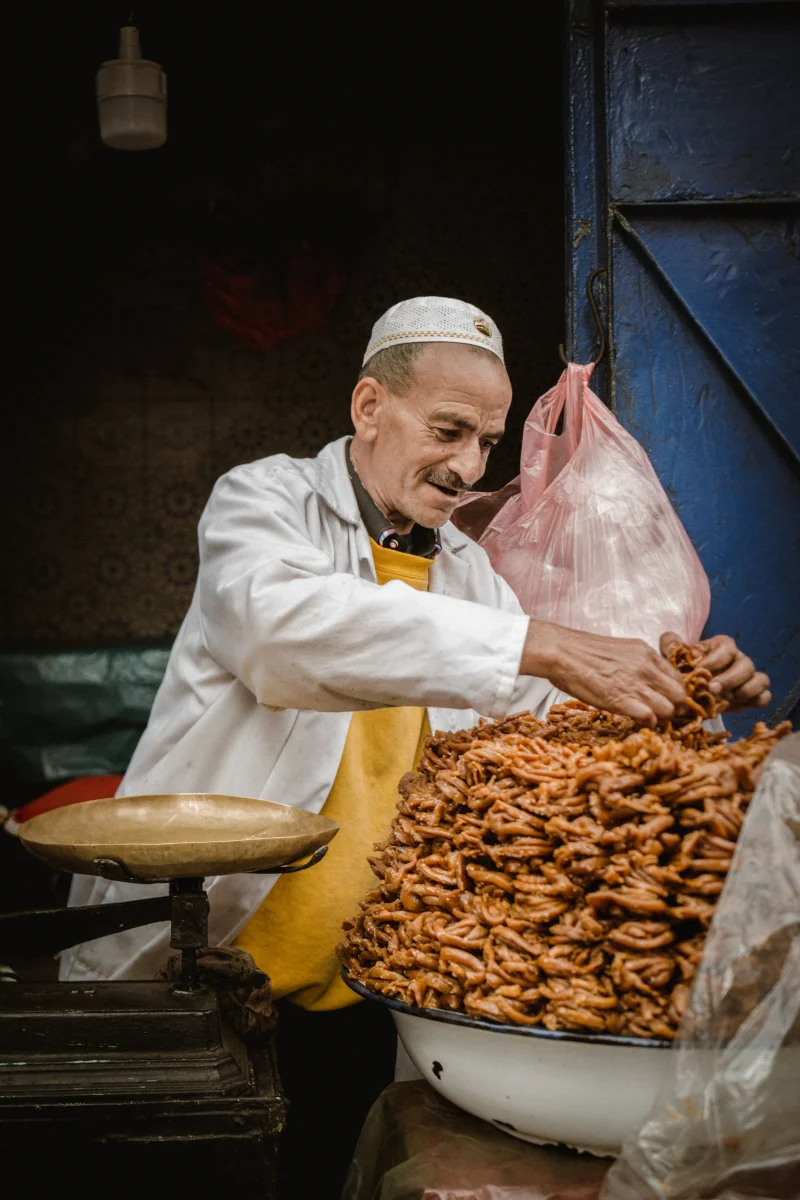
This pastry, recognizable by its braided shape, is fried and then generously coated with honey before being sprinkled with sesame seeds.
A Know-How Passed Down
Forming a beautiful chebakia requires a lot of precision.
In many families, this preparation becomes a moment of sharing where several generations cook together.
📍 Where to Taste It?
Mainly during Ramadan, in artisan patisseries and markets.
💡 Did You Know?
Chebakia is almost always served with harira at the breaking of the fast.
⭐ MoroccoMuseum Tip
If you travel during Ramadan, take the opportunity to discover this specialty when it is freshest.
28. Sellou: The Energy of Grand Celebrations
An Ancient Recipe
Known in different regions as sellou, sfouf, or zmita, this mixture of roasted flour, almonds, sesame seeds, butter, honey, and spices is deeply linked to Moroccan traditions.
Its nutritional richness once made it an ideal energy reserve for long journeys and festive periods.
A Family Preparation
Sellou is often prepared in large quantities before Ramadan or weddings.
Each family adapts the proportions according to its habits.
📍 Where to Taste It?
Throughout Morocco, especially during major religious holidays.
💡 Did You Know?
Some family recipes have been passed down for several generations without ever being written down.
⭐ MoroccoMuseum Tip
Accompany it with a glass of mint tea: the flavors complement each other perfectly.
29. Fruits and Local Products: A Richness Often Forgotten
Morocco, a Land of Terroirs
Moroccan gastronomy is not limited to cooked dishes.
The country also has a remarkable diversity of agricultural products.
Depending on the regions, travelers discover:
- dates from Tafilalet and Saharan oases;
- citrus fruits from the Souss and Gharb plains;
- olives from Meknès;
- almonds from the Atlas;
- prickly pears;
- nuts, pomegranates, figs, grapes, and apples from various regions.
In addition, emblematic products such as edible argan oil, saffron from Taliouine, olive oil, or capers from Safi are included.
These products also tell the story of Morocco's diverse landscapes.
📍 Where to Discover Them?
In markets, cooperatives, farms, and weekly souks.
💡 Did You Know?
Several Moroccan products now benefit from quality labels or geographical indications that enhance their origin and know-how.
⭐ MoroccoMuseum Tip
Take advantage of your trip to visit a cooperative or a local market: you will better understand the link between gastronomy and the terroirs of Morocco.
30. More Than a Cuisine, a Living History
Tasting Moroccan cuisine is to discover much more than a succession of recipes.
It is to traverse the Amazigh mountains, the imperial medinas, the Atlantic and Mediterranean coasts, the southern oases, the Saharan provinces, and the countryside where culinary traditions continue to thrive daily.
Each region contributes its share.
Each community has left its mark.
Over the centuries, Amazigh, Arab, Andalusian, Moroccan Jewish, Sahrawi, African, and Mediterranean heritages have met, transformed, and enriched each other, giving birth to one of the most varied gastronomies in the world.
It is this diversity that makes Morocco rich.
Beyond flavors, a Moroccan meal is often an invitation to share.
We eat together.
We take our time.
We talk.
We welcome.
And perhaps this is the most beautiful ingredient of Moroccan cuisine: hospitality.
Whether you are a street food lover, a gastronomy enthusiast, or simply a curious traveler, every meal can become a new way to understand Morocco.
For here, cuisine not only tells what we eat.
It also tells the story of a country.