The Underground Secrets of Qara Prison in Meknes: Imperial History, Legends and an Upcoming Reopening
At the heart of the Ismaili city of Meknes, hidden beneath the esplanades of the former imperial kasbah, near the Koubbat al-Khayyatine (the Pavilion of the Ambassadors), lies one of Morocco's most enigmatic remains: Qara Prison, also known as Habs Qara. Closed to the public for years, this unique underground site is now preparing to reopen after more than a decade of restoration work. Here is a look into the depths of an extraordinary monument, separating verified facts from persistent legend.

An underground masterpiece of the Ismaili era
The complex was built around the turn of the 17th and 18th centuries, under the reign of Sultan Moulay Ismail (1672-1727), who made Meknes his imperial capital. According to the Meknes Regional Tourism Council, the site consists of three large halls formed by rows of arcades, resting on pillars measuring on average 1.40 m by 3.46 m, which support low barrel vaults.
Another striking feature is the absence of conventional doors. Supplies and occupants were lowered through small openings cut into the vault, using ropes that were then pulled back up.
An imperial granary first, not a mass prison
Contrary to the popular image, frequently repeated in tourist guides, of a giant prison for Christian slaves capable of holding up to 40,000 inmates, most historians now agree that the site's primary function was logistical: a vast storage space (granary and armoury) for the royal complex of the kasbah, designed to give the city self-sufficiency during a prolonged siege.
The site did nonetheless serve, in a secondary capacity, to hold prisoners of war and captives, including Christian slaves seized by corsairs. According to local tradition, its name, "Qara," comes from a Portuguese prisoner-architect who was reportedly promised his freedom by Moulay Ismail in exchange for building an inescapable place of detention. The name itself likely dates back to the French Protectorate period, when the site was used as a temporary prison for the local population.
The realm of urban legend
Over the centuries, popular imagination has turned Habs Qara into a place of enduring myth. The most famous legend claims that this underground labyrinth stretches for dozens of kilometres, all the way to the city of Taza, and that a team of French surveyors sent to map the network during the Protectorate era vanished into it forever.
While these stories are largely folklore, they do reflect a real fact: for safety reasons, French Protectorate authorities sealed off much of the deepest galleries, leaving accessible only a secured portion of around three rooms — the same section visitors discover today.
A long closure, and a reopening now expected
After nearly fourteen years closed to the public, Habs Qara is preparing to welcome visitors again. Restoration works, under way since the Covid period, have focused on consolidating masonry and passageways weakened by humidity, a significant technical challenge in this underground environment. A budget of around 40 million dirhams has been allocated to the rehabilitation, part of wider efforts to enhance the medina and imperial heritage of Meknes. As of summer 2025, the works were not yet 100% complete, but the reopening is now announced as imminent.
This revival is an important asset for the city's cultural tourism, complementing the other treasures of the imperial city.
What to see around Qara Prison
A visit to Habs Qara fits naturally into a broader exploration of imperial Meknes:
- The Mausoleum of Moulay Ismail, the tomb of the sultan who built the city, located nearby.
- Bab Mansour, Morocco's most famous monumental gate, which opened onto the imperial city.
- El Hedim Square, a large public space between the medina and the imperial city.
- Heri es-Souani, Moulay Ismail's monumental granaries and hydraulic system.
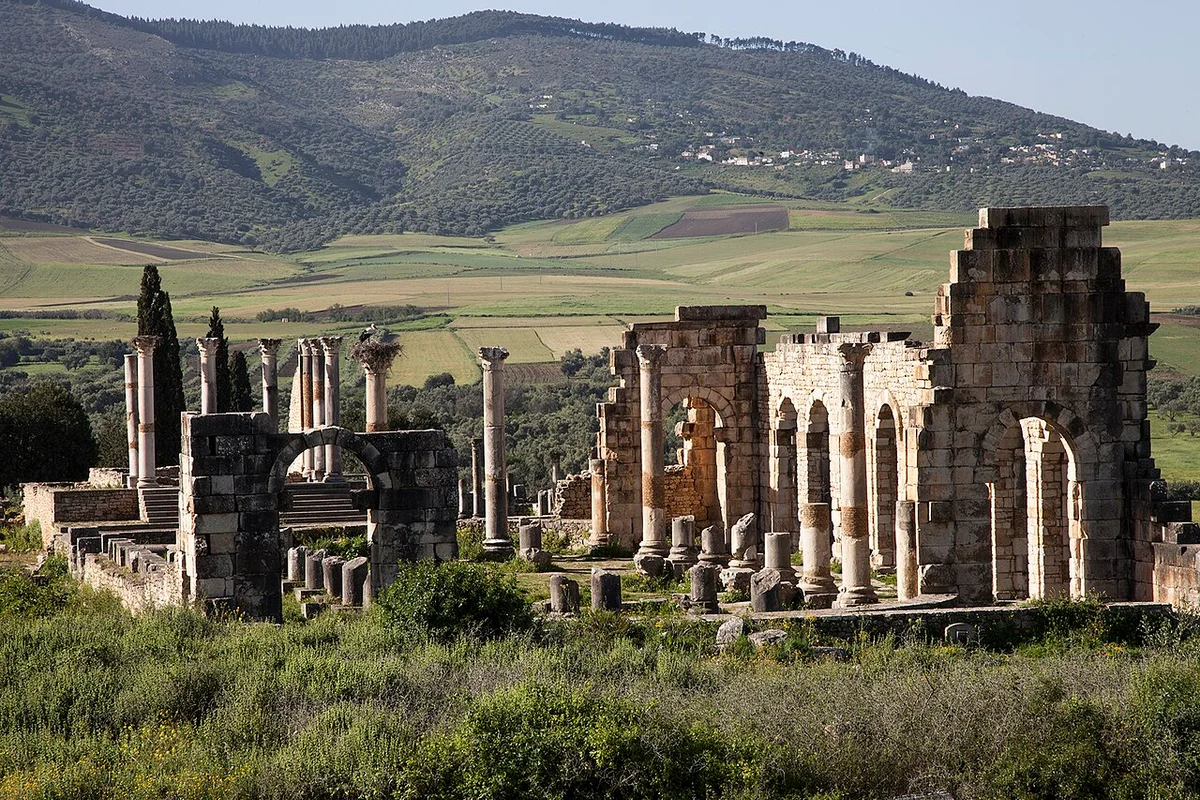
About thirty kilometres away, the journey can continue to the Roman ruins of Volubilis, and then to the holy town of Moulay Idriss Zerhoun, combining Ismaili heritage with the region's ancient and religious history in a single excursion.
Opening hours, access conditions and admission fees may change with the site's reopening, so it is recommended to check current official information before visiting.
Want to continue exploring Morocco's imperial history? Find on moroccomuseum.com our practical guides and excursion suggestions to help you plan your visit to Meknes, Volubilis and Moulay Idriss.
Sources and references
- Meknes Regional Tourism Council (Conseil Préfectoral du Tourisme de Meknès) — Habs Qara fact sheet
- Médias24 — "Meknès: La prison Qara du sultan Moulay Ismaïl, un pan surprenant de l'histoire marocaine" (August 2025)
- Wikipedia — "Qara Prison"
- Premium Travel News — "La prison de Kara Meknès rouvre bientôt en patrimoine" (August 2026)
- Le Desk — on the site's rehabilitation budget
- UNESCO — Historic City of Meknes, World Heritage List