Agadir is often presented as one of the main gateways to Amazigh culture in Morocco. Although the city's present-day architecture is relatively modern, its history and identity are deeply connected to the Souss region, a territory where languages, traditional crafts, music and landscapes tell a much older story.
Amazigh culture cannot be reduced to a few objects displayed in a museum or performances organised for visitors. It is passed down through families, cooperatives, artisans' workshops, agricultural practices, collective songs and local celebrations. It can also be seen in village architecture, silver jewellery, carpets, regional products and landscapes shaped by generations of inhabitants.
From Agadir, visitors can explore different aspects of this heritage. Museums and cultural events in the city offer an introduction to contemporary creativity and regional traditions. In Tiznit, silver jewellery occupies an important place in local identity. In the mountains of the Anti-Atlas, around Tafraout, Amazigh villages and pink granite landscapes reveal another side of southern Morocco.
This guide provides useful background for understanding this diversity and planning visits that respect the cultural heritage of the Souss.
1. The Souss: a historic region of Amazigh culture
The Souss is a historic, geographical and cultural region in southern Morocco. Its name in Tachelhit, Tamazirt n Sus, can be understood as “the land of the Souss”. The region is organised around the Souss Plain, its agricultural areas and towns, and the mountain ranges that border it, particularly the High Atlas and the Anti-Atlas.
The present-day Souss-Massa administrative region does not correspond exactly to all the historical and cultural boundaries of the Souss, whose connections extend into other parts of southern Morocco. It is therefore useful to distinguish the contemporary administrative region from this broader cultural area.
The Souss is particularly associated with Amazigh communities who speak Tachelhit, a variety of the Amazigh language. The word “Chleuh”, also used in some contexts to refer to Amazigh populations in southwestern Morocco, belongs to a complex linguistic and cultural history. Today, the terms “Amazigh” and “Amazigh culture” are commonly used when discussing the region's living heritage.
Over the centuries, the Souss developed important agricultural and commercial activities. Its position between mountains, plains and routes connecting different parts of Morocco made it a place where people, goods and knowledge circulated. Markets, exchanges between villages and traditional crafts all contributed to the transmission of local traditions.
However, the cultural identity of the Souss is not limited to an unchanging image of the past. It continues to evolve through changing lifestyles, migration, education, new forms of creativity and exchanges with the rest of Morocco and the wider world.
For travellers, understanding this diversity helps move beyond a simple sightseeing experience. Objects, landscapes and cultural events become more meaningful when considered within their local context.
2. The argan tree: an emblem of the Souss
The argan tree is one of the best-known symbols of southwestern Morocco. This endemic tree is particularly well adapted to the region's ecological conditions and contributes to the identity of many landscapes across the Souss and its surroundings.
Its presence is linked to agricultural practices, traditional knowledge and economic activities passed down from generation to generation. The argan tree produces fruit from which kernels are extracted to make an oil valued for culinary and cosmetic uses. The tree also supports rural communities where it is cultivated or grows naturally.
In 1998, UNESCO recognised the argan forest of southwestern Morocco as a biosphere reserve. This recognition highlights the importance of the ecosystem and the need to balance environmental protection with human activities.
The value of the argan tree goes beyond its production. It also represents a heritage of knowledge: harvesting the fruit, drying it, separating its different parts, extracting the kernels, grinding them and preparing the oil all involve precise techniques.
Women play an essential role in passing down these practices, particularly through cooperatives. Argan-related activities can contribute to household incomes and support the economic independence of women producers.
In 2014, UNESCO inscribed “Argan, practices and know-how concerning the argan tree” on the Representative List of the Intangible Cultural Heritage of Humanity. This recognition covers a set of skills and practices, not simply the commercial product known as argan oil.
Where can you discover argan oil near Agadir?
Visitors can learn about argan-related practices at cooperatives in and around Agadir and the wider Souss region. An interesting visit involves more than simply watching the oil being made: it offers an opportunity to understand the different stages of production, the work involved and the importance of this activity in local life.
Before choosing a cooperative, check its visiting arrangements and favour organisations that clearly explain the origin of their products, their production methods and how the women producers are remunerated.
When buying argan oil, check the labelling, origin and intended use. Culinary and cosmetic argan oils are not necessarily prepared or marketed in the same way.
To explore the region's food culture, see our guide to What to Eat in Agadir and the Souss.
3. Silver jewellery and the Amazigh fibula of Tiznit
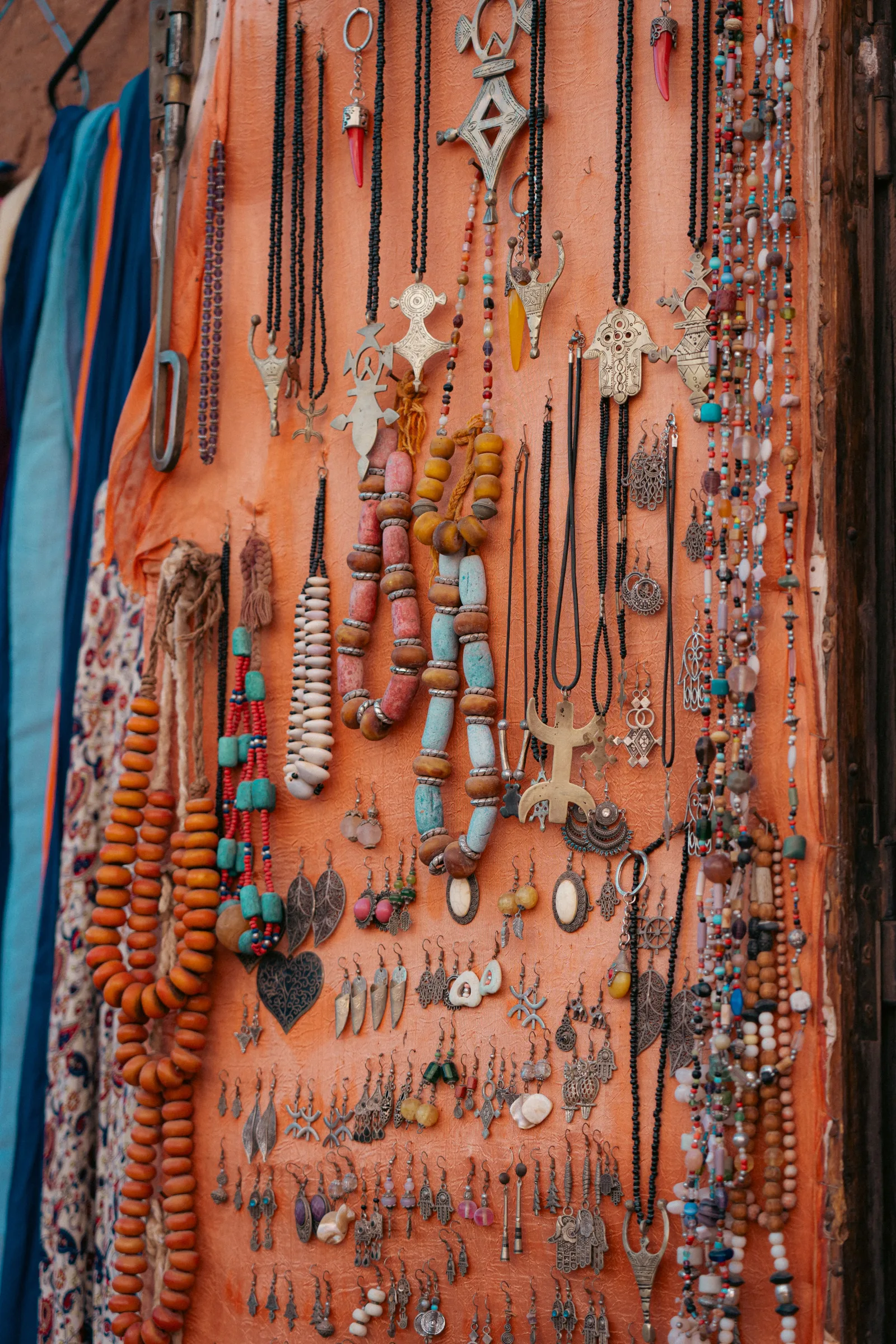
Jewellery occupies an important place in the traditional crafts of the Souss. Silver pieces are valued for their beauty, but also for their connections with family traditions, clothing, ceremonies and forms of cultural expression.
The Amazigh fibula is one of the most characteristic objects in this tradition. It can be used to fasten clothing while also serving as a decorative element. Its shape, ornamentation and construction vary according to regional and local traditions. Terms such as tiseghnest and tazerzit are used in some linguistic contexts, although names can differ between communities.
Fibulae, bracelets, necklaces and other pieces of jewellery may feature geometric patterns, engravings and decorative combinations that demonstrate the skill of the artisans. However, it is important not to assume that every motif has a universal meaning: its interpretation depends on the context, origin and tradition concerned.
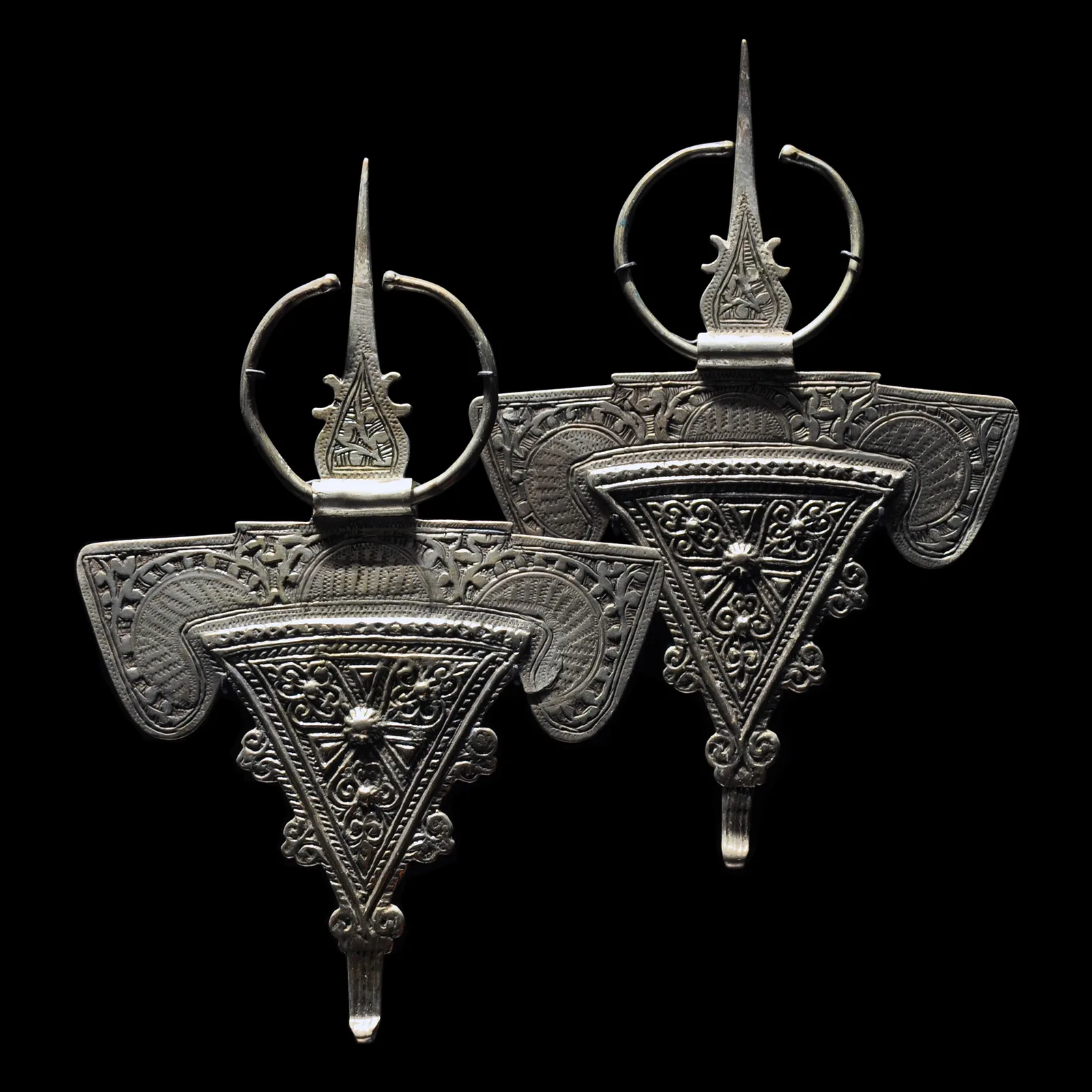
Tiznit: a town associated with silver craftsmanship
Located south of Agadir, Tiznit is particularly well known for its silver craftsmanship. The town developed in the late nineteenth century and has a medina enclosed by ramparts that continue to shape its urban landscape.
Walking through the medina allows visitors to discover narrow streets, gates, commercial areas and craft workshops. Jewellery occupies a special place in the town's identity, although the range of products and local practices continue to evolve.
When buying a piece, ask whether it was made locally, whether it is old or contemporary, and which materials were used. The price does not depend solely on the weight of the metal: craftsmanship, the complexity of the design and the piece's origin may also influence its value.
To plan your visit, consult our Tiznit Medina page.
4. Amazigh music: ahouach and the Timitar Festival
Music is an essential part of the living heritage of the Souss. It accompanies gatherings, celebrations, community events and different forms of artistic expression. Musical traditions are diverse and cannot be reduced to a single style.
Ahouach is one of the forms of collective dance associated with several Amazigh communities in southern Morocco. Depending on the location and occasion, participants gather in group formations accompanied by songs, rhythms and percussion. The movements, repertoires and ways of participating vary from one community to another.
These performances are more than entertainment. They can strengthen community bonds, transmit songs and mark important events. Lyrics and rhythms may evoke everyday life, human relationships, the local landscape or social themes.
Timitar: a meeting of Amazigh music and world music
In Agadir, the Timitar – Signs & Cultures Festival has become one of the city's major cultural events. Established in 2004, it aims to create a dialogue between Amazigh musical expression and music from other regions of Morocco and the world.
Its programme brings together Amazigh, Moroccan, African, Arab and international artists. This approach gives different generations and musical styles a platform while bringing Amazigh culture to contemporary audiences.
According to information published by the official Moroccan portal Maroc.ma, the 21st edition of the festival took place from 23 to 25 July 2026. These dates apply to the 2026 edition and should not automatically be used for future years.
If you plan to attend the festival, check the official programme, concert venues and practical information provided by the organisers. Schedules, invited artists and access arrangements may change from one edition to another.
Timitar illustrates an important aspect of contemporary Amazigh culture: preserving heritage does not mean keeping traditions frozen in time. They can engage with modern creativity, new musical scenes and international audiences.
5. Agadir's museums: contemporary art and regional memory
Museums provide another starting point for understanding the culture and history of the Souss. They present objects, artworks and stories that complement visits to markets, villages and landscapes.
Agadir Musée d’Art
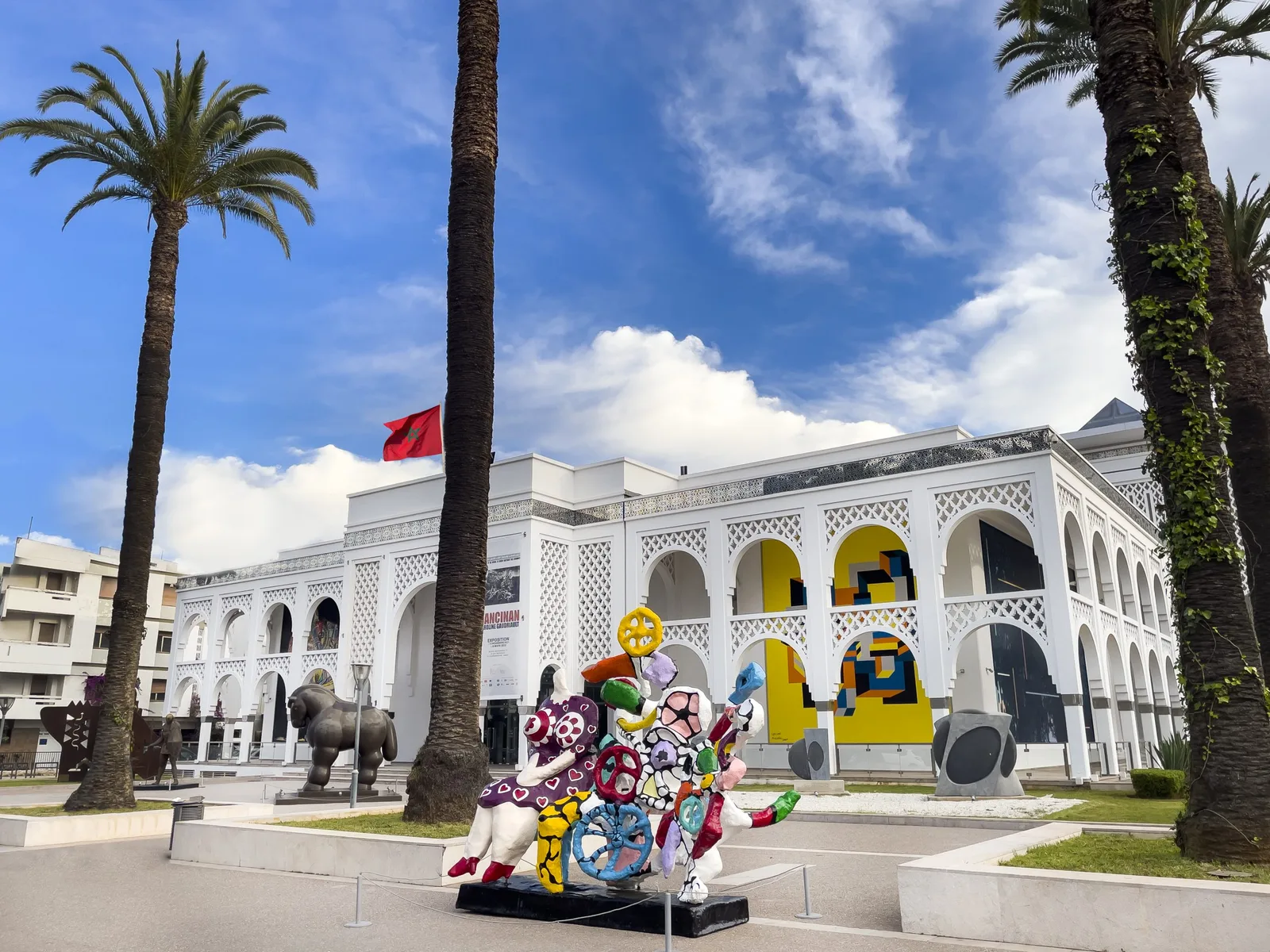
Opened in 2023, Agadir Musée d’Art, also known as AMA, presents a collection combining regional heritage objects, including jewellery and carpets, with a significant donation of artworks by patron El Khalil Belguench.
The collection brings decorative arts into dialogue with visual art. Jewellery and textiles are presented alongside modern and contemporary works, encouraging visitors to consider how artists represent objects, landscapes and identities.
This approach is useful for understanding the relationship between heritage and creativity. A piece of jewellery or a carpet can be appreciated for its craftsmanship and use, but also as a source of artistic inspiration and a means of cultural expression.
The museum is located on Avenue Hassan II, Passage Aït Souss, in Agadir. Opening hours, admission prices and access arrangements may change, so check the latest official information before visiting.
See the Agadir Musée d’Art page.
The Amazigh Heritage Museum: check before visiting
Agadir's Amazigh Heritage Museum has historically been associated with the presentation of objects and examples of Amazigh culture, particularly jewellery, carpets and other elements of traditional life.
However, its current status and opening arrangements should be confirmed before travelling there. Information about its operations, possible relocation plans or a proposed new building should not be treated as confirmed without recent information from the municipality or the relevant managing body.
If you plan to include this museum in your itinerary, look for a recent official announcement or contact the relevant cultural service. This precaution will help you avoid planning a visit based on outdated information.
The Agadir Reconstruction Museum
The city's memory is also essential to understanding its contemporary identity. The earthquake of 29 February 1960 profoundly affected Agadir and its population. Reconstruction transformed the urban landscape and helped shape the modern city.
The Agadir Reconstruction Museum is part of this effort to preserve collective memory. It explores the earthquake, its consequences and the transformations that followed. This history complements the discovery of the region's heritage by reminding visitors that Agadir's identity is also rooted in a more recent shared experience.
Check the available visitor information before going.
See the Agadir Reconstruction Museum page.
6. Tafraout and the Ammeln Valley: Amazigh culture in the heart of the Anti-Atlas
Further inland, the Anti-Atlas offers another way to explore Amazigh culture. The small town of Tafraout and the Ammeln Valley lie among pink granite mountains, traditional villages and landscapes shaped by agriculture.
Depending on the area and local conditions, the region is associated with almond trees, olive trees and argan trees. The villages reflect a long history of adaptation to a mountainous environment in which access to water, land management and agricultural activities have shaped everyday life.
Walking through the Ammeln Valley allows visitors to observe local architecture, cultivated plots and the relationship between homes and the surrounding mountains. To appreciate these landscapes, take your time rather than limiting the visit to a few photographic stops.
The painted rocks of Tafraout
Near Tafraout, the rocks painted by Belgian artist Jean Vérame are a distinctive example of artistic intervention in a natural landscape. The project, carried out in 1984, gave some granite formations vivid colours that contrast with the mountains' natural tones.
The artwork has prompted different interpretations. Some visitors appreciate its bold character, while others question the place of artificial elements in a natural environment. This range of opinions is part of what makes the site interesting.
During your visit, respect the rocks and their surroundings. Avoid touching or damaging the surfaces, do not leave rubbish and follow local recommendations.
To plan your visit, see our guides to Tafraout and the Ammeln Valley, the Ammeln Valley and the painted rocks of Tafraout.
7. Taliouine saffron and Imouzzer honey: local skills shaped by the land
The culture of the Souss can also be discovered through agricultural products and the skills associated with them. Saffron and honey illustrate two different relationships between communities, natural resources and the local economy.
Taliouine and saffron
Located in Taroudant Province, Taliouine is particularly well known for saffron cultivation. This spice comes from the stigmas of the crocus flower and requires delicate harvesting and careful preparation.
Production depends on climatic conditions, agricultural practices and the work of growers. Harvesting and sorting take time, which partly explains the value of this spice.
Saffron is also associated with initiatives promoting local products and agricultural and cultural events. Event dates may change from one year to the next. If you wish to visit during a saffron festival, check the official calendar before arranging your trip.
Meeting local producers can help you understand the stages of cultivation, harvesting methods and the differences between products available on the market.
Imouzzer Ida Outanane and honey
In the High Atlas, northeast of Agadir, Imouzzer Ida Outanane is known for its honey and mountain scenery. The region combines villages, agricultural land, fruit trees and vegetation that support local beekeeping.
Honey depends on the available flowers, the seasons and the practices of beekeepers. Its flavour and colour can vary according to the plants visited by bees and the conditions in which it is produced.
Discovering the region's honey can be combined with an excursion through the surrounding landscapes, including mountain areas and valleys. Before setting off, check road conditions and access to natural sites.
These two examples show that the heritage of the Souss extends beyond monuments and objects. It also includes professional skills, agricultural knowledge and products whose qualities are closely connected to the land.
8. Tiznit and the Living Heritage Centre: preserving traditional building techniques
Amazigh culture can also be explored through architecture and traditional construction techniques. In southern Morocco, earth, stone and other locally available materials have long been used to build houses, walls and fortified settlements adapted to the region's conditions.
In Tiznit, the Living Heritage Centre, also presented as a heritage interpretation centre, illustrates an approach to promoting these skills. The project was designed by Moroccan architect and anthropologist Salima Naji and built using rammed earth in the heart of the historic medina.
Using traditional materials and techniques does not simply mean reproducing old architecture. It can also encourage reflection on sustainable construction, climate adaptation, the transmission of trades and the integration of a contemporary facility into a historic environment.
In 2026, the project received international recognition in the field of cultural landscapes and earthen architecture. The distinction highlighted, in particular, the relationship between the building, local skills and Tiznit's historic urban fabric.
The centre therefore represents another aspect of Amazigh and regional heritage: preservation is not only about conserving old objects, but also about maintaining techniques, supporting craftspeople and keeping construction knowledge alive.
Before visiting, check opening arrangements, hours and any activities available to the public.
9. How to discover Amazigh culture respectfully
One of the best ways to discover a culture is to take time to understand local practices and respect the people who keep them alive. A few simple gestures can make your experience more meaningful.
Meet artisans and visit cooperatives
When buying argan oil, jewellery, carpets or other handmade products, ask where they come from and how they are made. Whenever possible, support producers, artisans and cooperatives that can explain their work.
Responsible purchasing is not only about price. It also means understanding who made the product, which materials were used and how the activity contributes to the local economy.
Ask permission before taking photographs
In markets, workshops and villages, people are not part of the scenery. Ask for permission before taking photographs, especially portraits or images of someone at work.
Some places may also have restrictions on photographing objects, exhibitions or private spaces. Respect signs and instructions from staff.
Learn about traditions without generalising
Cultural practices are not identical across all Amazigh communities. Languages, clothing, jewellery, music and traditions vary according to region and local history.
Avoid treating a particular object or custom as representative of all Amazigh people. When visiting a workshop or attending a performance, ask questions and listen to the people who practise and pass on these skills.
Check festival dates
Timitar, saffron-related events and local celebrations can be excellent opportunities to discover regional culture. However, their dates, venues and programmes may change.
Consult announcements from organisers, local authorities or tourism organisations before planning your trip around an event.
Respect landscapes and heritage sites
In villages, oases, mountains and historic sites, remain on accessible paths, avoid entering private property without permission and do not leave rubbish behind.
Cultural and natural heritage is closely connected to the lives of local communities. Protecting it means respecting the places, resources and people who live there.
10. A cultural itinerary from Agadir
To explore several aspects of Amazigh culture in the Souss, you can organise your visits in stages. The following itinerary is a suggestion that can be adapted to the length of your stay and your travel arrangements.
First stop: Agadir
Begin at Agadir Musée d’Art, after checking the latest visitor information. Take time to explore the relationship between jewellery, carpets and artworks. Depending on the information available, you can also check the current visiting arrangements for the city's other cultural venues.
If your stay coincides with the Timitar Festival, consult the official programme to attend concerts and discover different forms of musical expression.
Second stop: argan cooperatives
Plan a visit to a cooperative in the region. The aim is to understand the stages of oil production, the role of women producers and the importance of the argan tree in the rural economy.
Complete this experience with a culinary exploration using our guide to What to Eat in Agadir and the Souss.
Third stop: Tiznit
Set aside a day for Tiznit to explore the medina, ramparts and jewellery workshops. If the Living Heritage Centre is open to the public during your stay, it can add another dimension to the visit by introducing traditional construction techniques and the preservation of architectural heritage.
For more details, see our Tiznit guide.
Fourth stop: Tafraout and the Ammeln Valley
If you have more time, continue to Tafraout and the Anti-Atlas. The pink granite mountains, traditional villages and painted rocks offer a different perspective on the heritage of the Souss.
Ideally, spend a night in the area rather than reducing the visit to a rushed round trip. See our guide to Tafraout and the Ammeln Valley.
If you would like to continue towards the coast, explore our Sidi Ifni guide.
To organise your stay, also consult our complete Agadir guide, our suggested itinerary for Agadir in 2 Days and the Agadir destination page.
11. Why Amazigh culture is essential to understanding Agadir
Agadir is a modern city, but it cannot be fully understood without considering its cultural and historical surroundings. The Souss, its languages, agricultural practices, traditional crafts and musical traditions are essential parts of the region's identity.
The argan tree illustrates the relationship between communities and their environment. Tiznit's silver jewellery reflects the richness of local craftsmanship. Ahouach and the Timitar Festival show how musical expression can transmit heritage while engaging with contemporary creativity.
Agadir's museums, the villages of the Anti-Atlas, cooperatives and centres dedicated to living heritage offer complementary perspectives. No single place can fully represent the diversity of Amazigh culture. Connecting these experiences provides a better understanding of the relationships between people, landscapes and traditions.
For travellers, the most rewarding experience does not simply involve ticking off attractions. It comes from listening, observing and remaining curious: taking time to watch an artisan at work, understanding how a product is made, attending a cultural event or walking through a village without rushing.
Discovering Amazigh culture in Agadir and the Souss means discovering a living heritage that is deeply rooted in history while continuing to evolve.
Sources and further reading
- UNESCO – Argan, practices and know-how concerning the argan tree
- UNESCO – Arganeraie Biosphere Reserve
- National Foundation of Museums – Agadir Musée d’Art
- Maroc.ma – Timitar Festival 2026 in Agadir
- Moroccan National Tourist Office – The Honey Route
- Maroc.ma – Salima Naji and the Institut du Monde Arabe Design Grand Prix 2026
- Médias24 – Tiznit's Living Heritage Centre and the 2026 Terra Award
Cover photo: Amazigh jewellery displayed on a stall, Othmane Ettalbi, Pexels.