A museum in a painter's studio
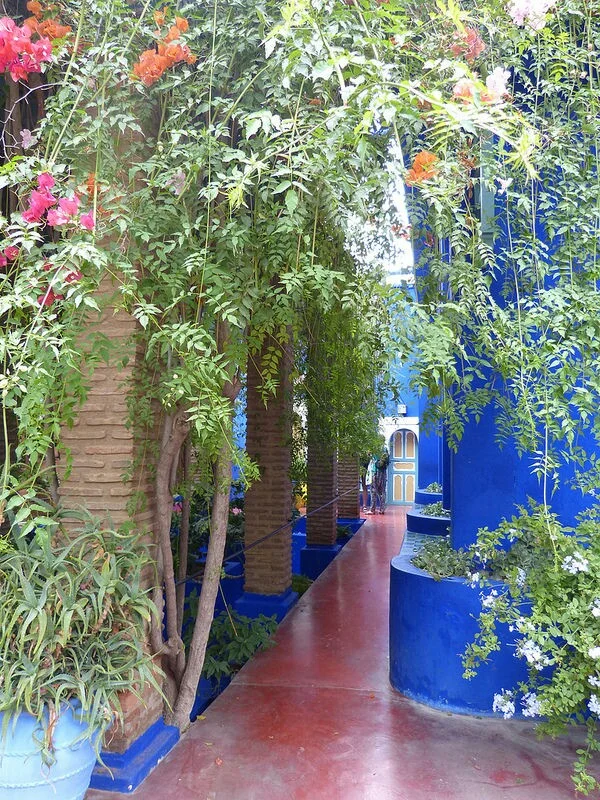
It was in Jacques Majorelle's former painting studio, in the heart of Majorelle Garden, that the museum was inaugurated in 2011, under the high patronage of King Mohammed VI. It was then called the Berber Museum; since 2020 it has borne the name of its founder, Pierre Bergé. The collections were assembled by Pierre Bergé and Yves Saint Laurent, who had been fascinated by Amazigh art since arriving in Marrakech in 1966.
What can you see?
More than 600 objects give a panorama of the creativity of the oldest people in North Africa, from the Rif to the Sahara:
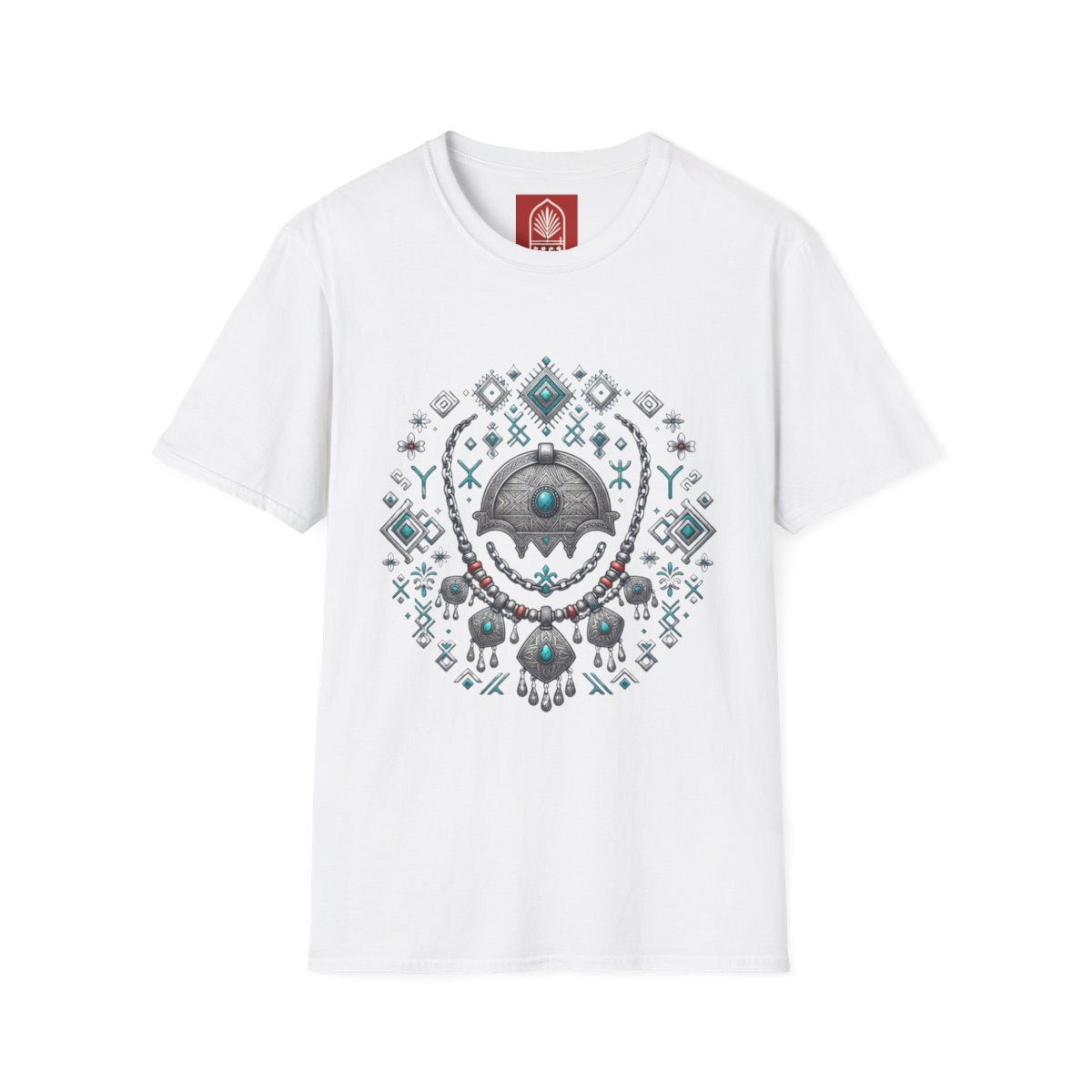
- silver jewellery, among the most admired pieces,
- clothing and textiles,
- weapons and everyday objects,
- musical instruments and ceramics.
The tour unfolds across four themed spaces. It opens with the history and geography of the Amazigh (Berbers) of Morocco, with a map of the main tribes and audiovisual documentation that accompanies the whole visit.
Practical information
- Opening hours: every day, 8:30 am to 5:00 pm (last entry 4:30 pm).
- Annual closure: one week in July to renew the works on display (6 to 12 July in 2026); the dates change every year.
- Ticket: there is no ticket for the museum alone. The garden + museum ticket costs 230 DH for a foreign visitor (130 DH reduced) and 110 DH for a Moroccan citizen or resident of Morocco (60 DH reduced). Prices as of 17 October 2026.
- Length: 45 minutes to 1 hour, in addition to the garden.
The Foundation's official ticket office is tickets.jardinmajorelle.com: the Foundation warns against fake ticket-selling websites, so always check the address before paying.
Preparing your visit
- Start with the garden when it opens, then enter the museum mid-morning: the visit is calmer there.
- Take time to read the map of the tribes at the start of the tour: it helps place each object.
- Continue with the Yves Saint Laurent Museum, next door, or with a break at the Café Majorelle.