Planning Your Trip to Tangier
Tangier is one of those Moroccan cities that fits easily into almost any itinerary. Located at the northern tip of the country, between the Atlantic Ocean and the Mediterranean Sea, it works both as a destination in its own right and as an excellent gateway to northern Morocco.
You can reach Tangier by train, plane, coach, road or ferry. This variety of transport options is one of the reasons the city works so well for both a short break and a longer Moroccan journey.
But planning a trip to Tangier is about more than simply booking a ticket. You also need to think about where to stay, how much time you have, how you will get around, your budget and which excursions you want to add to your itinerary.
Here are the main things to know before you go.
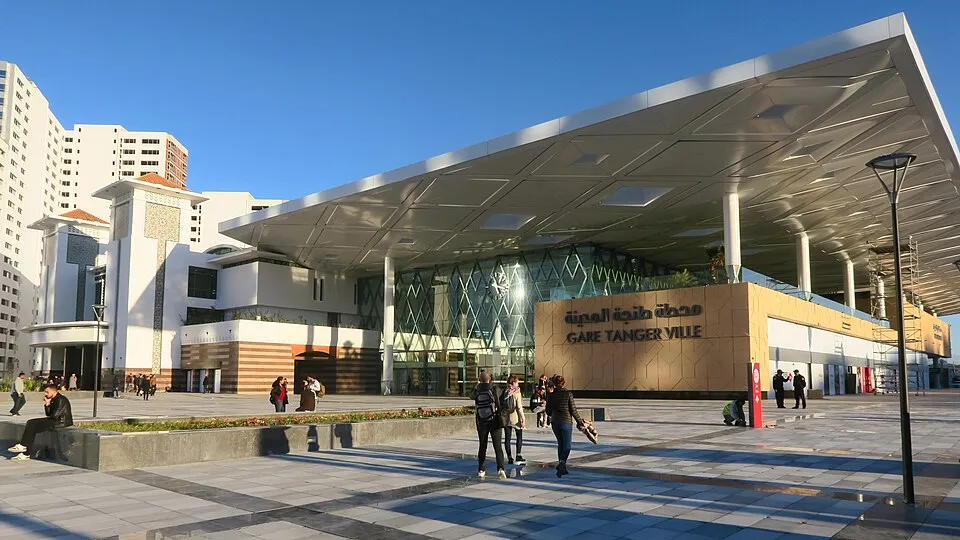
Getting to Tangier by Train
For travellers moving around Morocco, the train is often one of the most convenient ways to reach Tangier.
The city is served by Al Boraq, Morocco's high-speed train, which connects Tangier with several major cities across the country with relatively short journey times.
Schedules and tickets can be checked directly on the ONCF website.
Al Boraq
The Al Boraq high-speed train directly connects Tangier with Rabat and Casablanca.
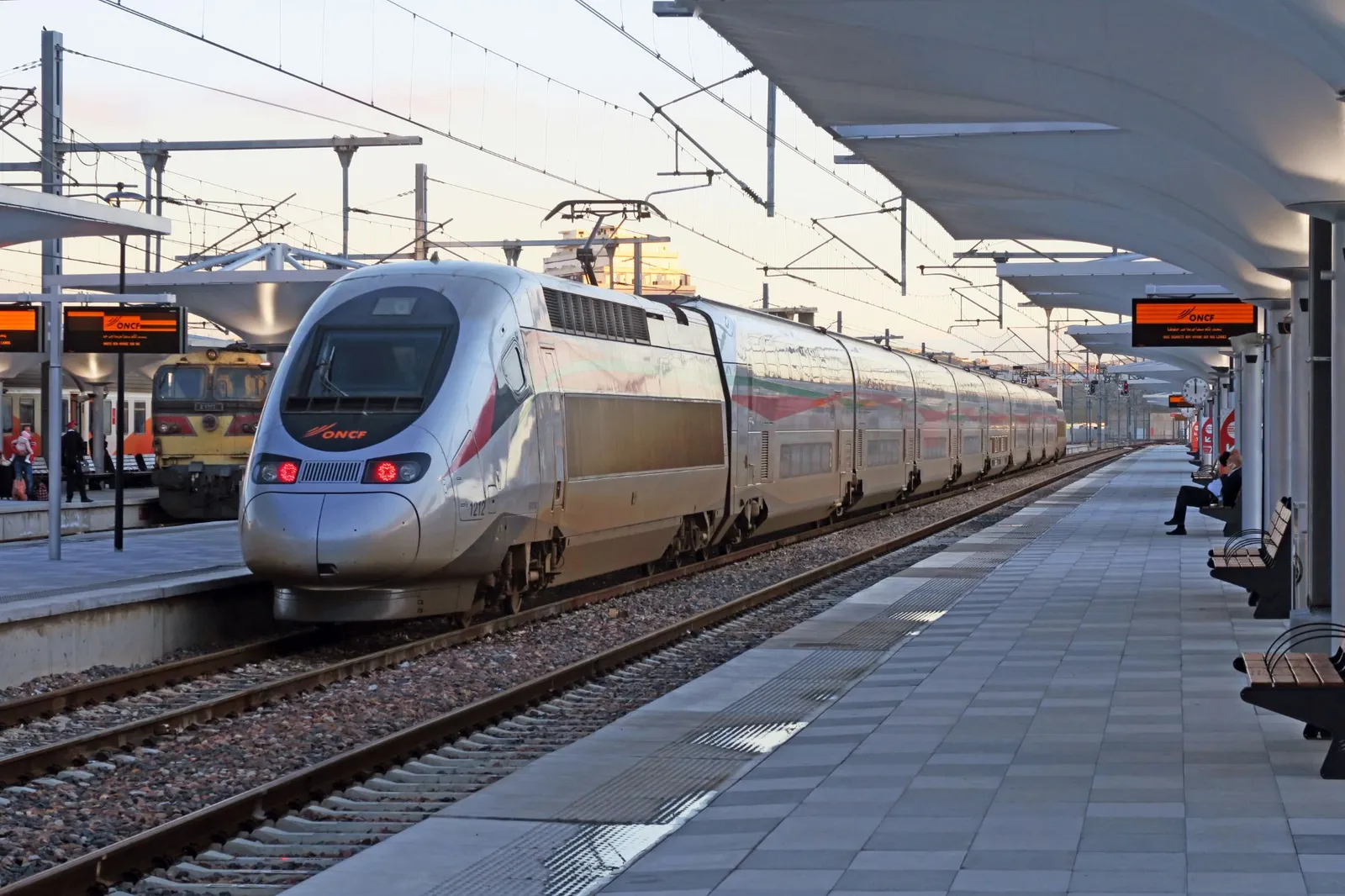
According to the ONCF guide, the indicated journey times are approximately:
- Tangier → Rabat: 1 hr 20 min;
- Tangier → Casablanca: 2 hr 10 min.
For travellers planning to combine several Moroccan cities, these connections can make the organisation of a trip considerably easier.
ONCF fares depend, among other things, on demand, ticket flexibility and the class selected. It is therefore better to check the price for your exact travel date rather than relying on a fare found several weeks or months earlier.
From Marrakech
If your trip starts in Marrakech, keep in mind that there is no direct Al Boraq service from the city.
The journey requires a connection, generally in Casablanca or another station depending on the itinerary selected.
For the long Marrakech–Tangier journey, the train remains an option, but it can be worth comparing the different possibilities before booking. Train, plane and car can each have advantages depending on the schedule, journey time and level of comfort you are looking for.
From Fez
Tangier can also be reached from Fez using the railway network and its connections.
This is particularly useful for travellers planning a northern and central Morocco itinerary, for example Tangier → Fez → Marrakech, or the reverse.
It allows Tangier to become the first stop of a wider journey rather than simply a destination on its own.
Getting to Tangier by Coach
A coach is another option for reaching Tangier, particularly when a direct train connection is not available or when you are looking for an alternative.
Two companies in particular allow travellers to check schedules and fares online: CTM and Supratours, the road transport service associated with ONCF.
Journey times can vary depending on the service and traffic conditions. For this reason, it is worth comparing coach schedules and fares with those of the train for your exact travel date.
For travellers prioritising price or travelling from a city with less direct rail connectivity, a coach can be a practical solution.
Getting to Tangier by Plane
Tangier Ibn Battouta Airport handles both domestic and international flights.
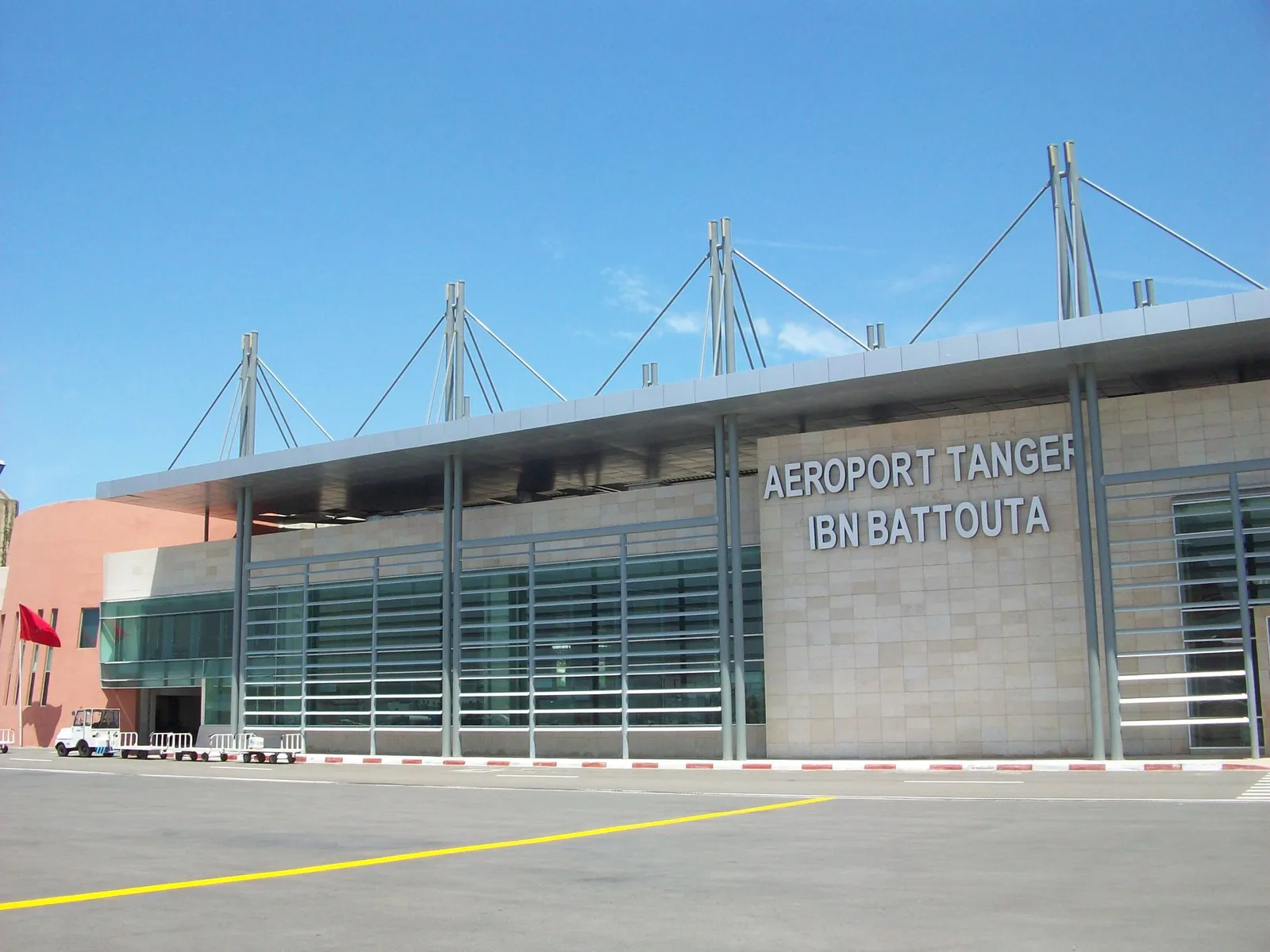
For travellers coming from Europe, flying can be particularly convenient.
Tangier's geographical position, close to southern Europe, makes certain air connections especially practical for a short break or for starting a journey through northern Morocco.
Before booking, check the flights available from your departure city. Routes and frequencies can change depending on the season. The Royal Air Maroc website can also be used to check the options offered by the airline.
Flying can also make sense if you have limited time and want to avoid a long overland journey.
Travelling to Tangier from Europe by Ferry
Tangier has something that few other major Moroccan cities can offer: you can arrive in Morocco directly by sea from Europe.
Ferry services connect southern Spain with northern Morocco. For some European travellers, taking the ferry is therefore a genuine alternative to flying.
And for those travelling with their own car, it can be particularly convenient.
Tangier Ville or Tangier Med?
This is an important detail that should not be overlooked when planning your trip.
[Did you know?]
Tangier Ville is located in the city and is particularly convenient for travellers arriving directly in the centre. Tangier Med, on the other hand, is a major port complex located east of Tangier, a significant distance from the city centre.
This distinction can have a real impact on your travel arrangements.
If your ticket says Tangier Med, do not assume that you will arrive directly in the historic centre. Check the exact port before booking your accommodation or onward transport.
For more information about the port facilities, you can consult the official websites of Tangier Med and the National Ports Agency.
From Tarifa
The crossing from Tarifa is particularly popular with travellers who want to reach northern Morocco from Spain.
Depending on the service and the conditions on the day, the crossing can be relatively short. FRS operates this route.
Schedules and fares vary depending on the season and the company, so it is advisable to check the conditions for your travel date.
If you would like to turn the crossing into a full day trip, there is also a private day trip to Tangier from Tarifa.
From Algeciras
Algeciras is another important departure point in Spain.
Ferry services from here include routes to Tangier Med. This can be particularly convenient for travellers crossing the Strait with their own vehicle.
In this case, check directly with the ferry company for the specific conditions regarding vehicle transport.
How to Get Around Tangier
Once you arrive in Tangier, getting around becomes much simpler.
For a first visit, a significant part of the historic centre can be explored on foot. In fact, this is often the best way to get a feel for the city.
- On foot: the medina and several central neighbourhoods are easy to explore on foot. Walking gives you time to discover small streets and stop whenever something catches your attention.
- Petit taxi: small taxis are suitable for urban journeys. Fares and conditions should be checked according to the journey and local regulations.
- Grand taxi: larger taxis are more commonly used for certain longer or intercity journeys.
- Rental car: a car can be useful if you plan to explore Cap Spartel, the beaches, Asilah or other destinations around northern Morocco. For visiting the medina and central Tangier alone, it is much less necessary.
In other words, renting a car solely to visit Tangier is not necessarily essential. It becomes more useful when your itinerary includes several excursions outside the city.
Where to Stay in Tangier
Choosing the right neighbourhood can significantly change the experience of your stay.
Tangier has several areas suited to different types of travellers.
- Inside the medina: ideal for travellers who want to stay at the heart of the historic heritage. Riads and traditional houses offer a more immersive experience.
- Near the Kasbah: particularly interesting if you want to remain close to the main historic sites.
- City centre: convenient for shops, restaurants and transport.
- Corniche: a good choice for travellers who want to be close to the sea, restaurants and the beach.
- Malabata: offers more modern hotels and easy access to Tangier's Mediterranean side.
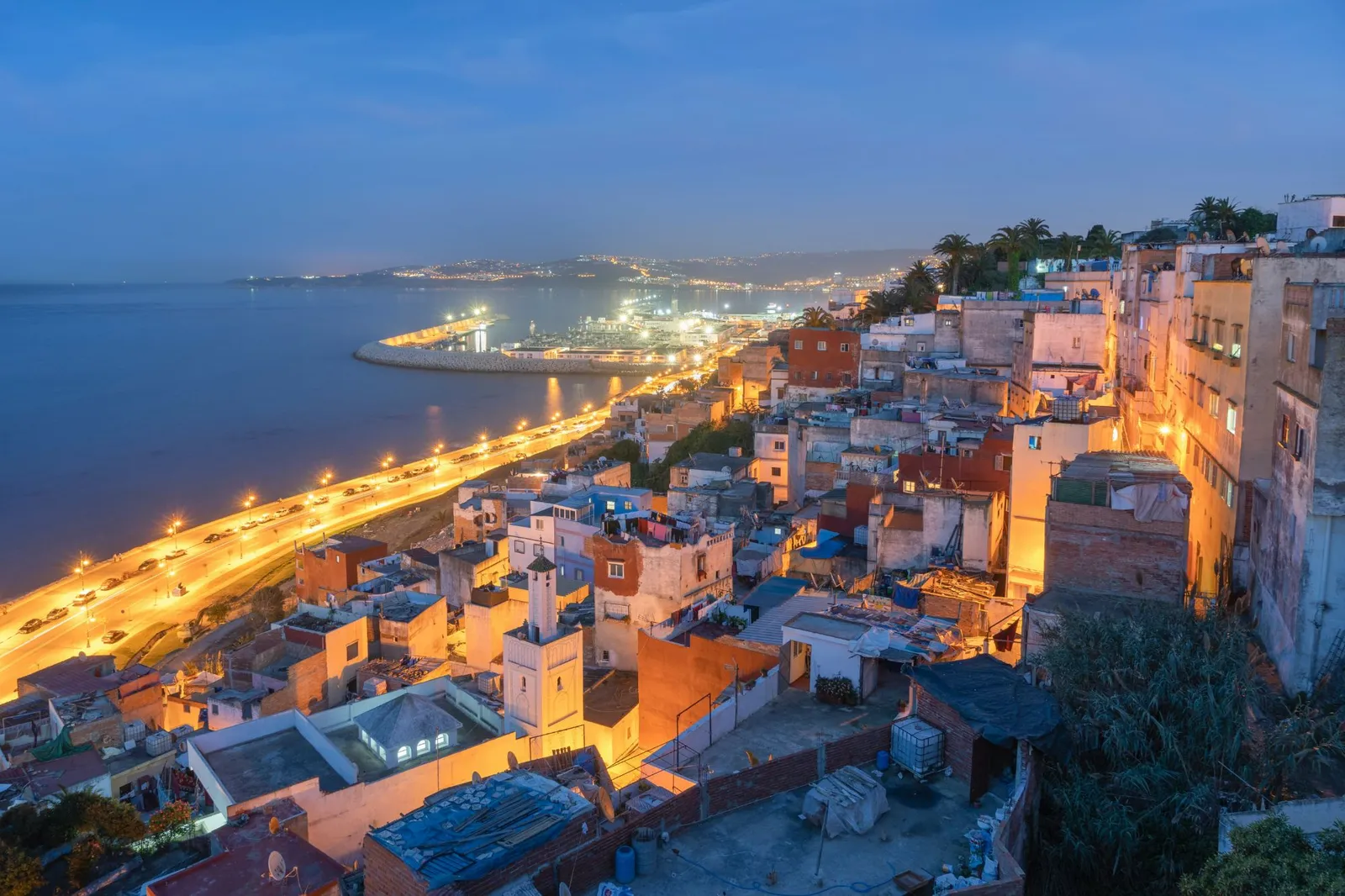
For a first cultural visit, staying in the medina or near the Kasbah allows you to remain close to Tangier's main historic attractions.
If your priority is instead the sea, restaurants and a more modern atmosphere, the Corniche or Malabata may be better suited to you.
There is therefore no single "best" area to stay in Tangier. The right choice depends largely on how you want to experience the city.
How Much Should You Budget for Tangier?
The budget required for Tangier can vary considerably depending on the season, the neighbourhood and the level of comfort you choose.
As an indication, for one night:
- budget accommodation: around 250–450 MAD;
- mid-range riad or hotel: around 450–900 MAD;
- upper-range hotel: 900 MAD and above.
These figures should be treated as planning ranges, rather than fixed prices.
Prices can increase during periods of high demand. To find the actual price, check availability for your specific dates.
Food Budget
Your food budget will also depend on your travel style.
In Tangier, you can eat at small local restaurants in the medina, choose a traditional restaurant, enjoy seafood restaurants or opt for more upscale establishments.
It is therefore possible to travel on a relatively controlled food budget while still enjoying a variety of experiences.
A gastronomic trip involving several high-end restaurants will obviously require a different budget from a stay based mainly around local establishments.
Sightseeing and Excursion Budget
A large part of Tangier can be explored on foot, which naturally helps keep sightseeing costs down.
Additional expenses may include:
- museums;
- guided tours;
- transport to Cap Spartel;
- excursions;
- water activities;
- trips outside Tangier.
If you would like to discover the city with a local guide, you can also see the available tours and experiences, including a private Tangier tour.
How Many Days Should You Spend in Tangier?
Tangier can be visited quite quickly, but the amount of time you need depends largely on what you want to do around the city.
1 day
Medina + Kasbah + Grand Socco + Petit Socco.2 days
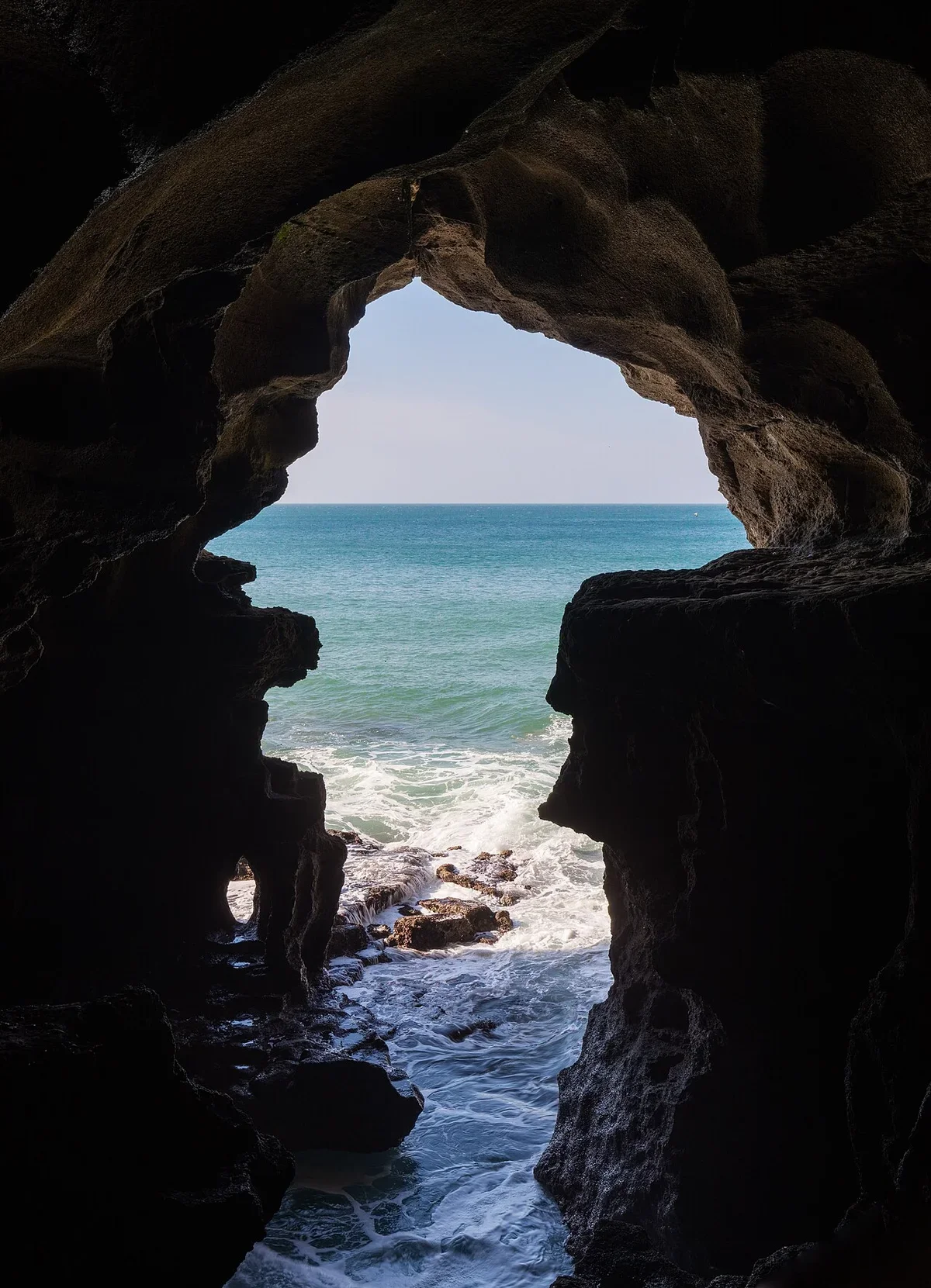
Add Cap Spartel and the Hercules Caves.3 days
Add the beaches, Cap Malabata and a more in-depth exploration of the city.4 to 5 days
Start exploring the surrounding region: Asilah, Tetouan or other northern Moroccan destinations.
For a first visit, two days already provide a good introduction.
One day allows you to discover the historic heart, while a second day gives you more freedom to leave the centre and explore the landscapes around Tangier.
With three days or more, the trip becomes less focused on checking off sights and more about actually experiencing the city.
Example Budget for Two Days
For two people, it is best to budget separately for:
round-trip transport + 2 nights + meals + sightseeing + optional excursion.
The final cost will depend mainly on your accommodation and the transport method you choose to reach Tangier.
To keep costs down, prioritise the train, walking and local restaurants.
For greater comfort, choose a well-located hotel and consider adding an organised excursion.
The important thing is to define the level of comfort you want before setting your daily budget.
When Is the Best Time to Visit Tangier?
Tangier can be visited throughout the year, but the experience changes with the seasons.
Spring and autumn are particularly pleasant for combining city walks with excursions.
Summer can be attractive if you want to spend more time by the sea and on the beaches, although some periods can be busier.
Winter has a different atmosphere. Weather conditions on the coast can be more changeable, so it is better to keep your itinerary flexible.
For coastal excursions, always check the weather conditions before setting out.
This can be particularly important for activities affected by wind, sea conditions or long walks outdoors.
Useful Emergency Numbers in Tangier
Although nobody wants to need emergency services during a holiday, knowing the main numbers before travelling is a simple and useful precaution.
These are the emergency numbers used in Morocco:
- Police: 19 (in cities);
- Royal Gendarmerie: 177 (roads, villages and rural areas outside cities);
- Civil Protection and Fire Brigade: 15;
- SAMU, medical emergencies: 141.
Pharmacies on Duty
Pharmacies take turns providing night, weekend and public holiday services.
To find a pharmacy on duty in Tangier, you can check the Tangier on-duty pharmacy directory on med.ma, or look at the duty list displayed in the window of the nearest pharmacy.
Your accommodation can also tell you which pharmacy is on duty that day.
Planning Your Stay with MoroccoMuseum
Once your transport and accommodation are sorted, the most enjoyable part remains: deciding what to see.
Tangier has enough heritage, landscapes and experiences to fill several days without making the trip feel like a checklist of attractions.
MoroccoMuseum can help you organise these different parts of your stay:
- Monuments and heritage: Kasbah and Kasbah Museum, American Legation and other historic sites;
- Nature: Cap Spartel, Hercules Caves, beaches and natural areas;
- Experiences: guided tours, excursions and cultural activities.
→ Discover Tangier tours and experiences
The goal does not necessarily have to be filling every hour of your trip.
Tangier is also a city that rewards spontaneous exploration: walk through the medina, take time to look out over the city from the Kasbah, stop at a café, head towards the coast or simply enjoy the atmosphere of the central neighbourhoods.
Tangier: An Ideal Gateway to Northern Morocco
Thanks to its rail, air, road and sea connections, Tangier is one of the easiest Moroccan cities to incorporate into an itinerary.
But its appeal goes far beyond accessibility.
The city brings together medina, heritage, culture, gastronomy, beaches and coastal landscapes, while also occupying a strategic position for continuing towards other destinations in northern Morocco.
In two or three days, you can discover the highlights of Tangier without rushing from one attraction to another.
With a few extra days, the city can even become an excellent base for exploring the surrounding region.
And perhaps that is what makes Tangier particularly interesting: it can be a destination, a stopover and a starting point all at once.
You can arrive by train from another major Moroccan city, by plane from Europe or by ferry from Spain, spend a few days discovering its heritage, and then continue towards Tetouan, Asilah, Chefchaouen or other destinations in northern Morocco.
To start planning your stay: