Tangier, a city between the Mediterranean, the Atlantic and Africa
In the far north of Morocco, Tangier holds an exceptional position facing the Strait of Gibraltar, between the Mediterranean and the Atlantic Ocean.
This geographic setting has deeply shaped the city's identity. Tangier has a cosmopolitan history, a lively medina, architecture influenced by several cultures and a coastline that lets you combine cultural discovery, food, beaches and excursions.
For a first trip, two or three days are enough to see the main districts and monuments. With more time, Tangier also becomes an excellent base for exploring Cape Spartel, the Caves of Hercules, the beaches of the Atlantic coast, Tetouan, Asilah or Chefchaouen.
The Moroccan National Tourist Office lists the Kasbah, the Great Mosque, the Mendoubia gardens, Cape Spartel and the Caves of Hercules among the main sites to discover.
The medina of Tangier
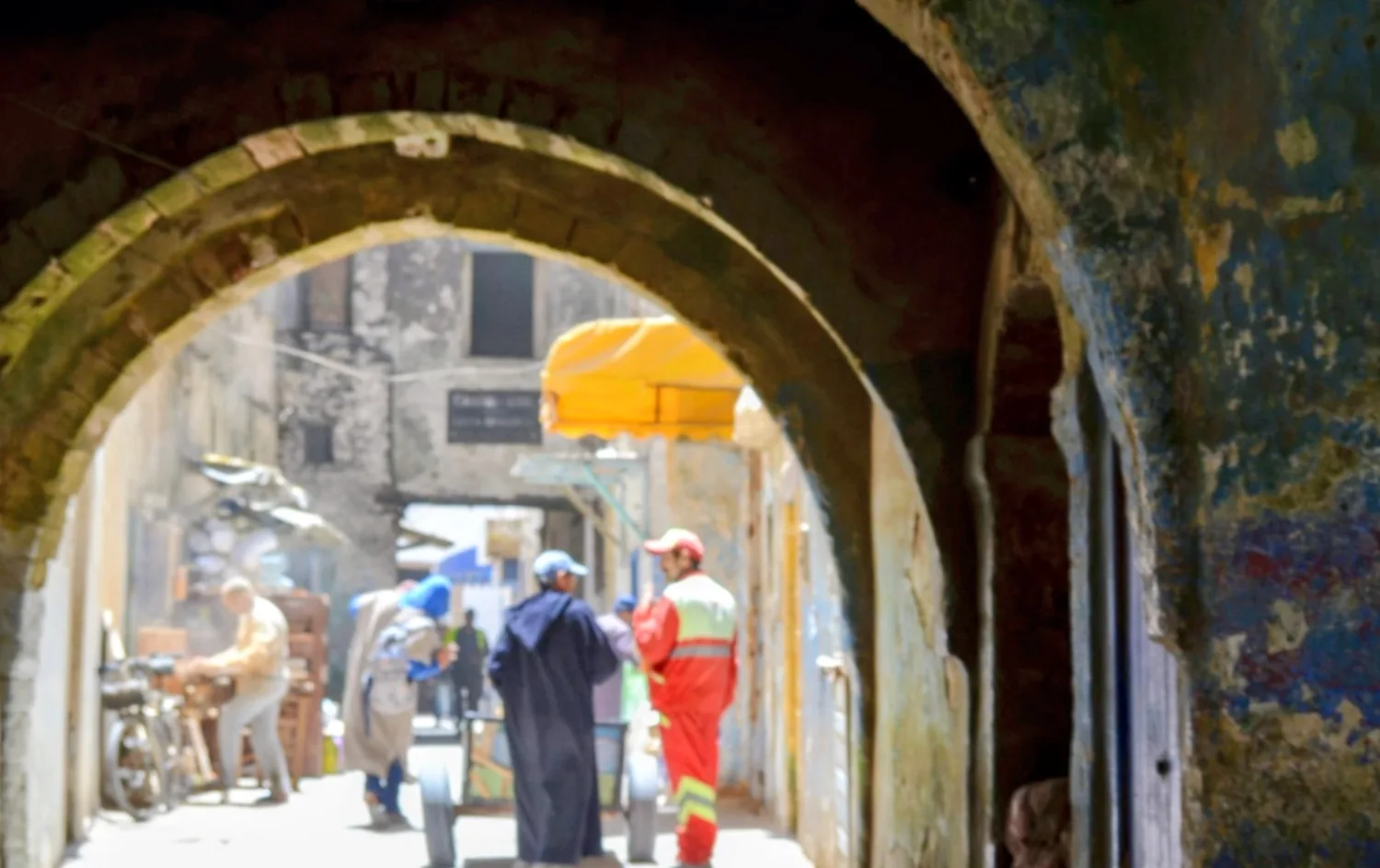
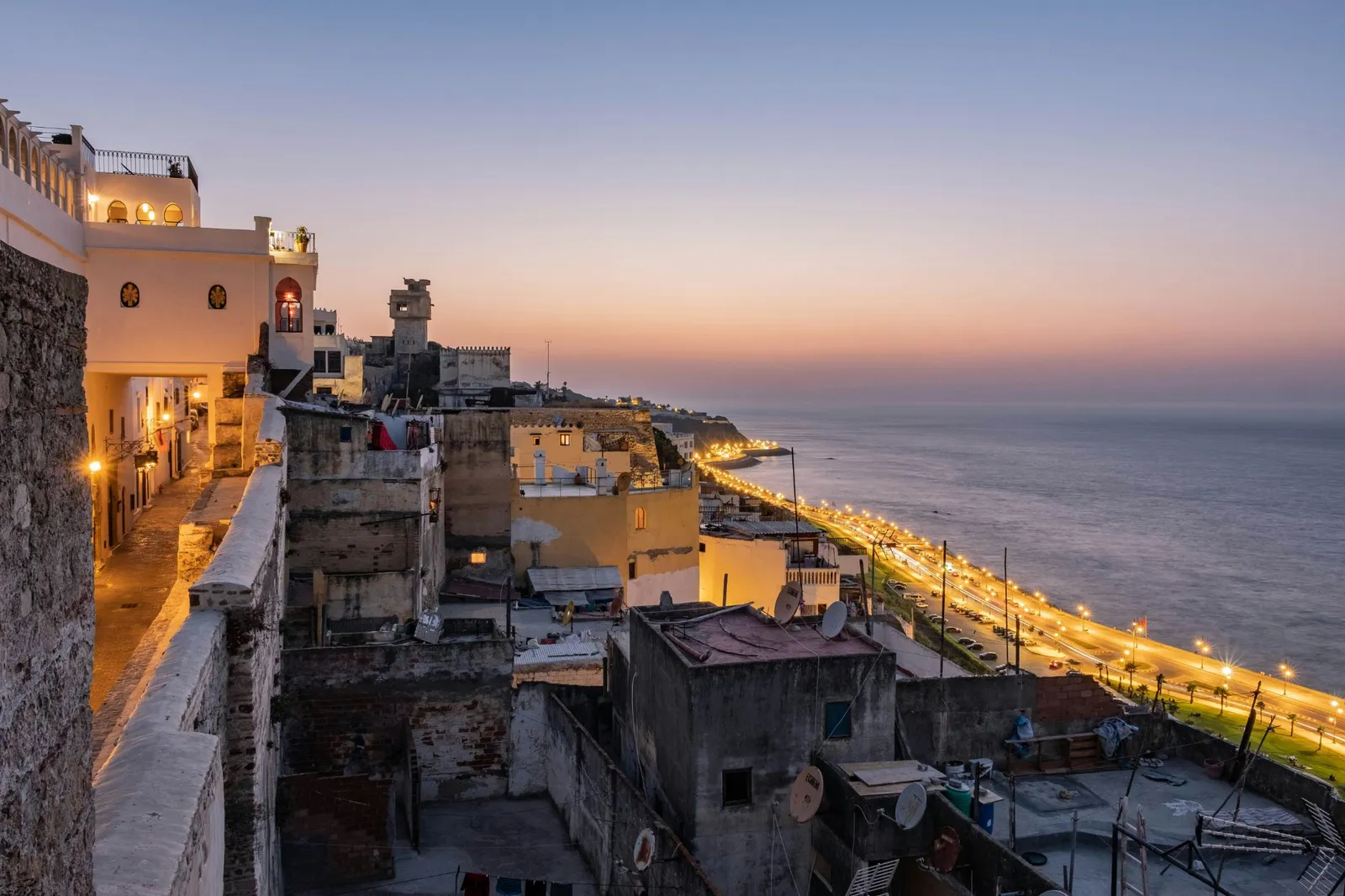
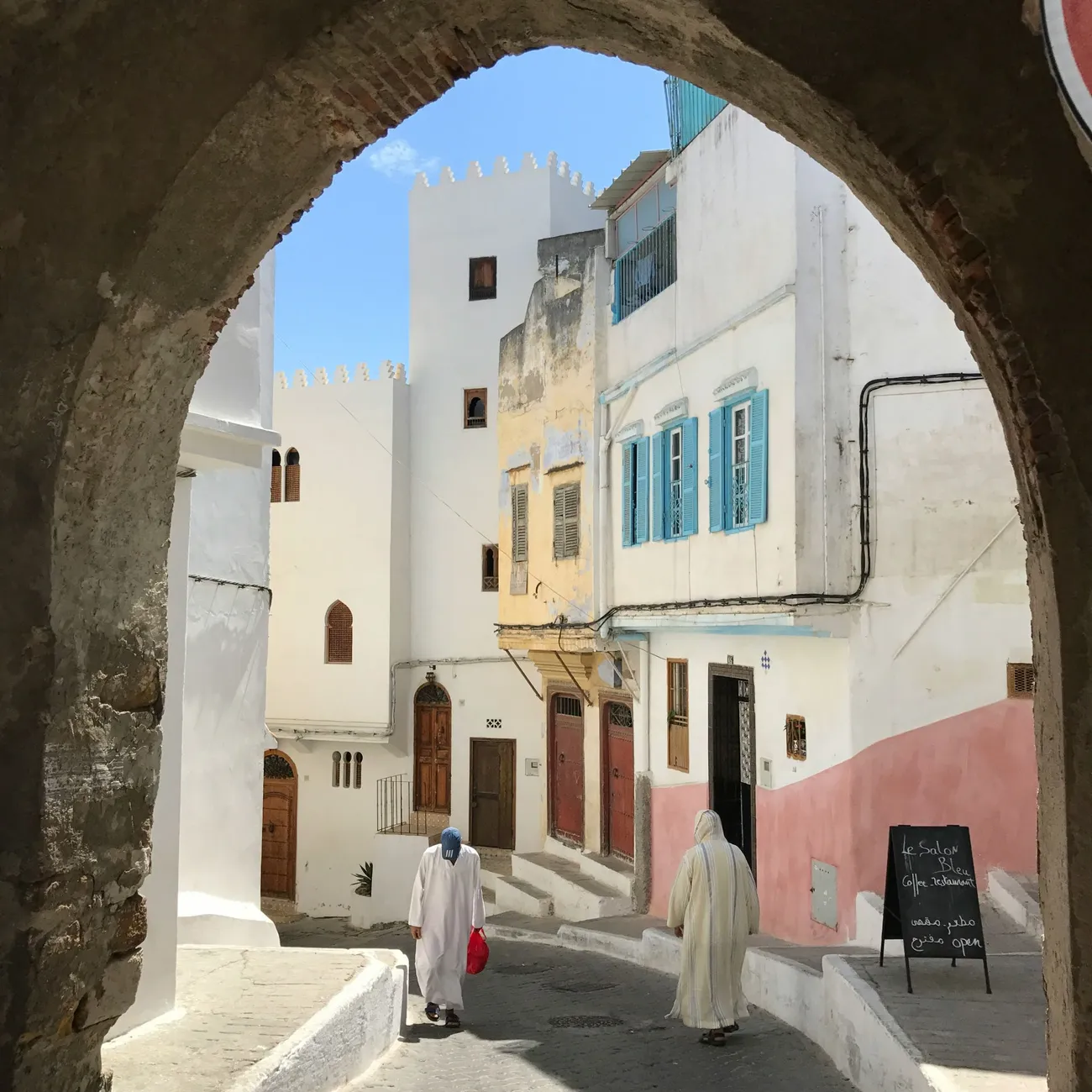
The medina is the historic heart of the city. Its lanes reveal traditional houses, small squares, craft shops and an atmosphere very different from the modern districts.
The Kasbah, in the upper part of the medina, also offers views over the city and the strait.
The Kasbah and the Kasbah Museum
The Kasbah is one of the most emblematic districts of Tangier. The former sultan's palace, now devoted to the arts and history of Morocco, stands within this historic ensemble.
For travellers interested in heritage, it is an important stop to include in a visit of the medina.
→ Discover the Kasbah and the Kasbah Museum of Tangier
The Grand Socco and the Petit Socco
The Grand Socco is one of the best-known spaces in Tangier. It marks the transition between the medina and the modern city.
The Petit Socco, more intimate, reveals part of the city's old commercial life.
These two places are especially interesting when included in a walk through the medina.
Tangier's international heritage
Tangier has long attracted travellers, artists and writers from many countries. This international history can be seen in some of the city's historic buildings and institutions.
The American Legation, the Cervantes Theatre and the old districts bear witness to this cosmopolitan history. The Moroccan National Tourist Office also highlights the European and Mediterranean influences visible in Tangier's architecture and culture.
To go further into the city's history, read our guide Tangier: history and heritage and our article Discover Tangier.
Café Hafa and the views over the strait
The famous Café Hafa has long been part of Tangier's cultural image. Set on the heights, it offers a view of the strait and makes a pleasant stop during a walk through the historic districts.
Cape Spartel: where the landscapes change
West of Tangier, Cape Spartel is a spectacular landscape between the Atlantic and the Mediterranean.
The site offers coastal panoramas and is a very easy natural excursion to include in a stay in Tangier. The Cape Spartel lighthouse and the surrounding cliffs are especially interesting at sunset. The Moroccan National Tourist Office also recommends the area for walks and coastal scenery.
→ See our guide to Cape Spartel and the Caves of Hercules
The Caves of Hercules
Close to Cape Spartel are the Caves of Hercules, one of the best-known natural sites around Tangier. The natural cavities open onto the ocean and are linked to several ancient tales and legends.
Today they are mostly a popular stop on an excursion around Tangier.
→ Prepare your visit to the Caves of Hercules
The beaches of Tangier
Tangier also has a long seafront. The main beach is close to the centre and the corniche, while other beaches and coves are accessible outside the city.
The coast lets you combine walks, restaurants, water activities and relaxation.
Cape Malabata and the Mediterranean coast
East of Tangier, Cape Malabata shows another face of the coastline. While Cape Spartel is on the Atlantic side, Malabata looks towards the Mediterranean and the strait.
This difference lets you build an interesting excursion around the two capes.
What to eat in Tangier
A stay in Tangier also lets you discover the cuisine of northern Morocco. Fish and seafood naturally hold an important place in the restaurants near the coast.
In the medina, travellers can also discover traditional Moroccan dishes, local bread, pastries and mint tea. For a fuller experience, a guided visit of Tangier can be combined with a food discovery.
How many days should you plan in Tangier?
1 day
Medina → Kasbah → Petit Socco → Grand Socco → corniche.2 days
Add the main monuments and an excursion to Cape Spartel and the Caves of Hercules.3 days
Add the beaches and Cape Malabata, and take more time to explore the city's districts.4 days or more
Tangier becomes a base for exploring northern Morocco, including Tetouan, Asilah or Chefchaouen.
How do you get to Tangier?
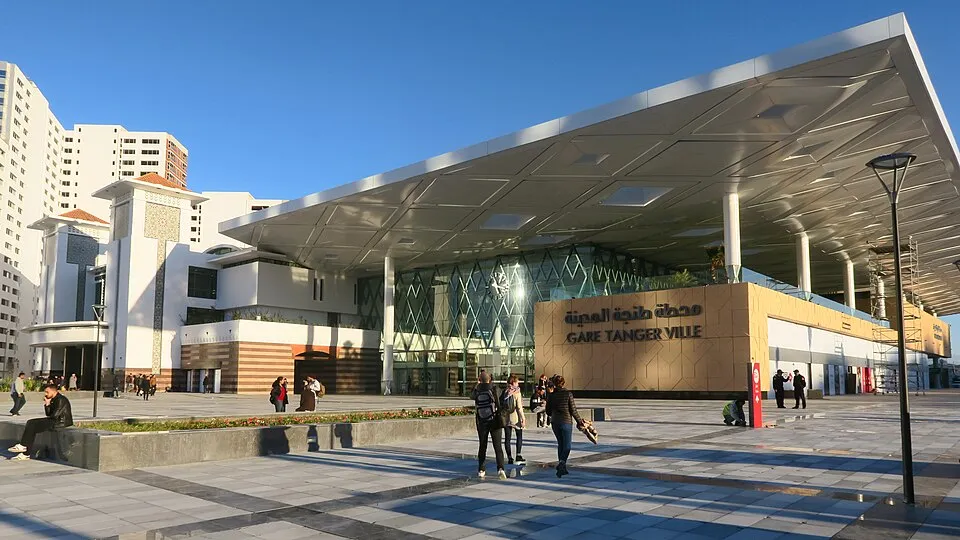
Tangier is very well connected to the rest of Morocco. The Al Boraq high-speed train links Tangier to Rabat and Casablanca. ONCF states a journey time of about 2 h 10 between Tangier and Casablanca and 1 h 20 between Tangier and Rabat in its Al Boraq guide.
The city also has an international airport and is a natural entry point for travellers coming from Europe. For travellers arriving by boat, you need to distinguish between the port facilities of Tanger Ville and Tanger Med, which are in different places.
Find all the details in our practical guide:
→ How to get to Tangier: transport, ferry, train, plane and budget
Tangier, a starting point for northern Morocco
Tangier can be visited on its own or included in a wider itinerary. A trip can continue towards:
- Tangier → Tetouan → Chefchaouen;
- Tangier → Asilah → Larache;
- or Tangier → Rabat → Casablanca.
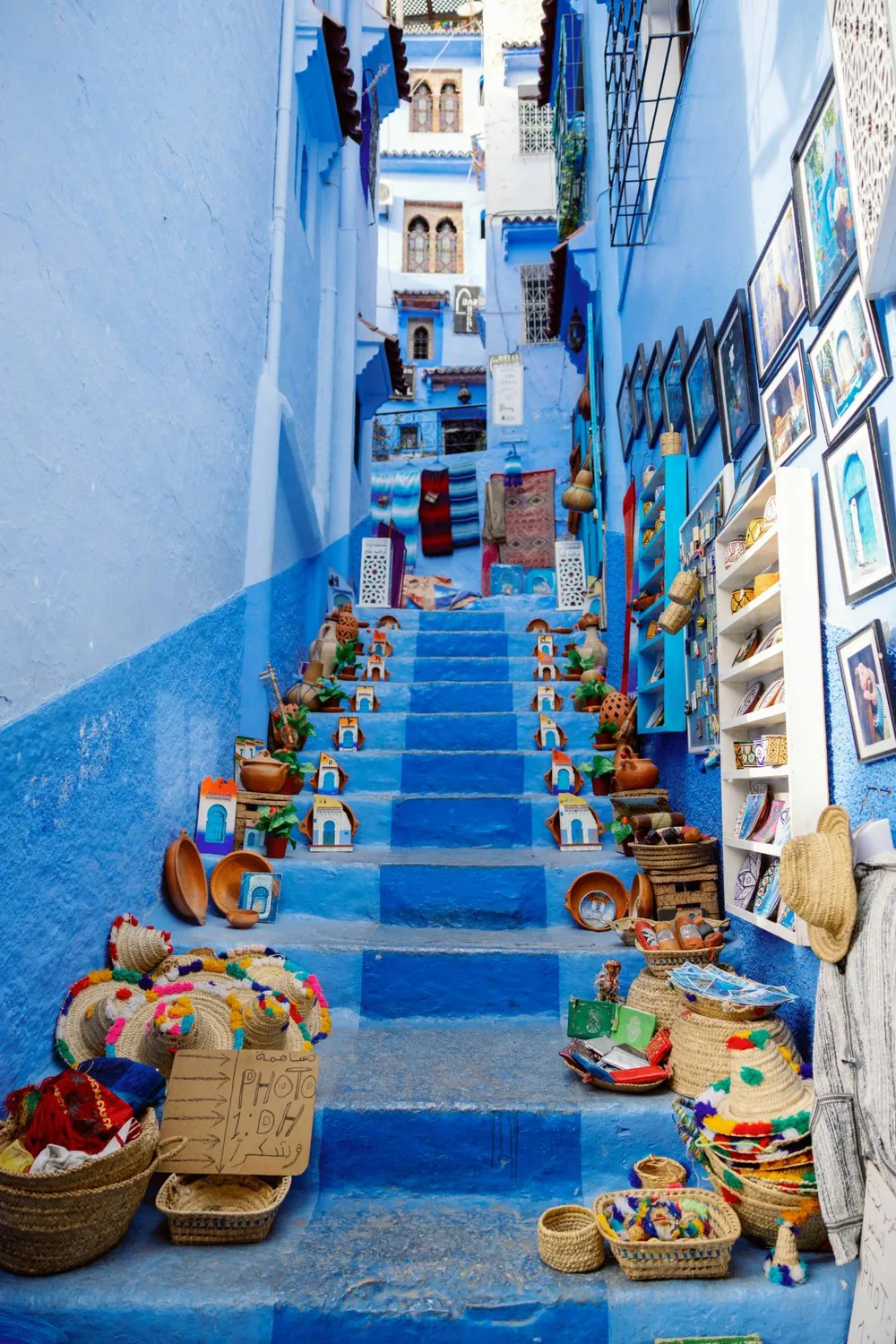
To reach Chefchaouen, the blue city, without organising each stage, a day excursion to Chefchaouen from Tangier is available. To prepare this stage, read our guide Chefchaouen: history and heritage and our article on Tetouan.
This position makes Tangier a particularly interesting destination for discovering the north and the Atlantic coast of Morocco.