What to See and Do in Tangier: A City Between History, Sea and Culture
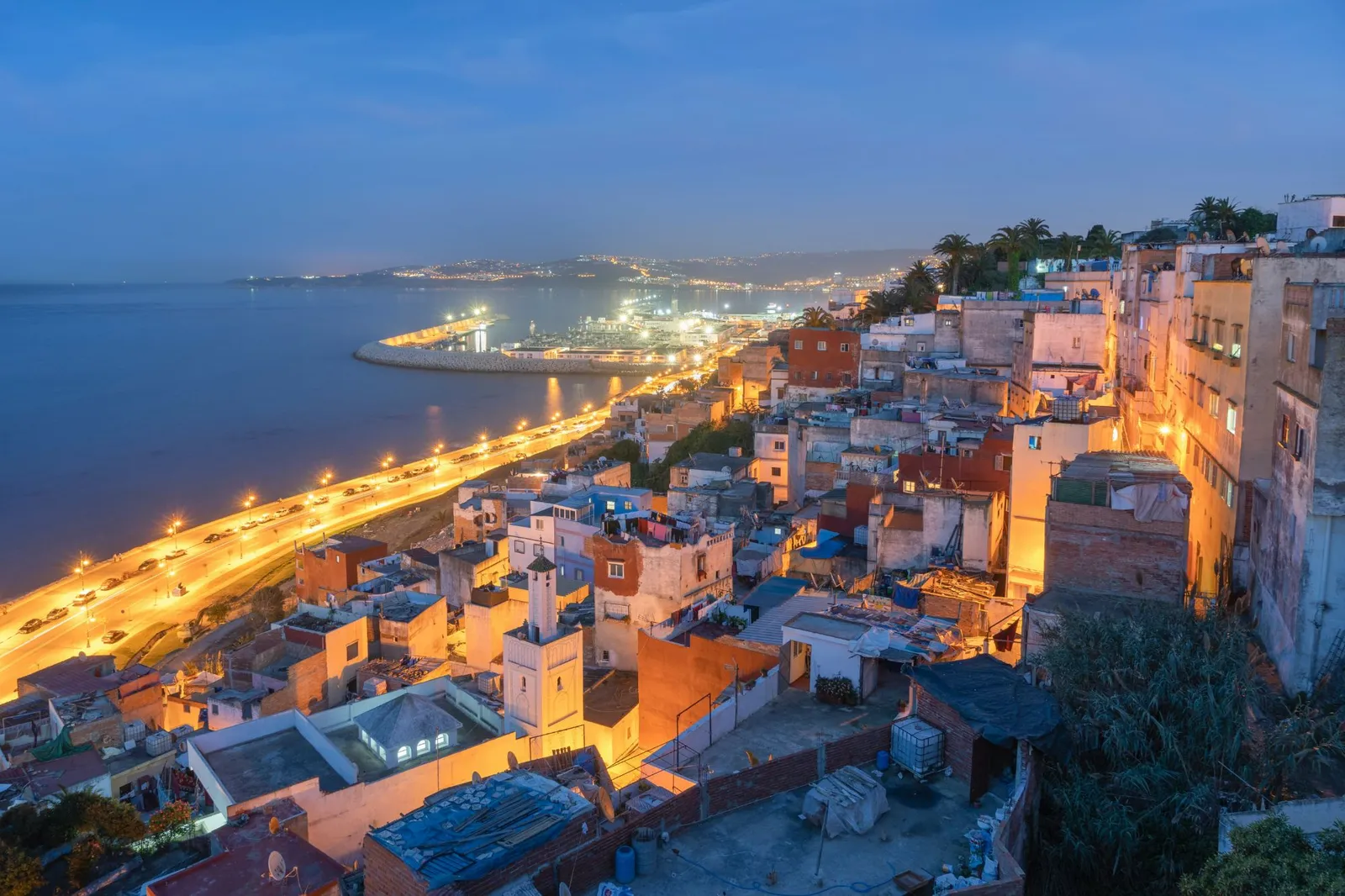
At the entrance to the Strait of Gibraltar, Tangier has a personality quite different from Morocco's other major cities. Here, the medina overlooks the sea, historic cafés sit alongside former palaces, and within just a few kilometres, the narrow streets of the Kasbah give way to the cliffs of the Atlantic coast.
Tangier is therefore a city to discover gradually. You may come first for its heritage, then find yourself drawn towards a market, a café terrace, a museum or a walk by the sea. And once you leave the city centre, the coastal landscapes add another dimension to the experience.
For a first introduction to the destination, our complete guide to Tangier will help you plan your stay. But if you are simply looking for the places you should not miss, here are the ones worth including in your itinerary.
1. The Kasbah of Tangier
One of the best ways to begin exploring Tangier is to head up towards the Kasbah.
Located in the upper part of the medina, it offers a first glimpse of the city's historic streets, traditional houses and the white architecture that characterises much of the old town.
But the Kasbah is more than a collection of buildings to photograph. It is a neighbourhood to explore slowly. A doorway, a small square or a narrow street suddenly opening onto a sea view — the experience unfolds naturally as you walk.
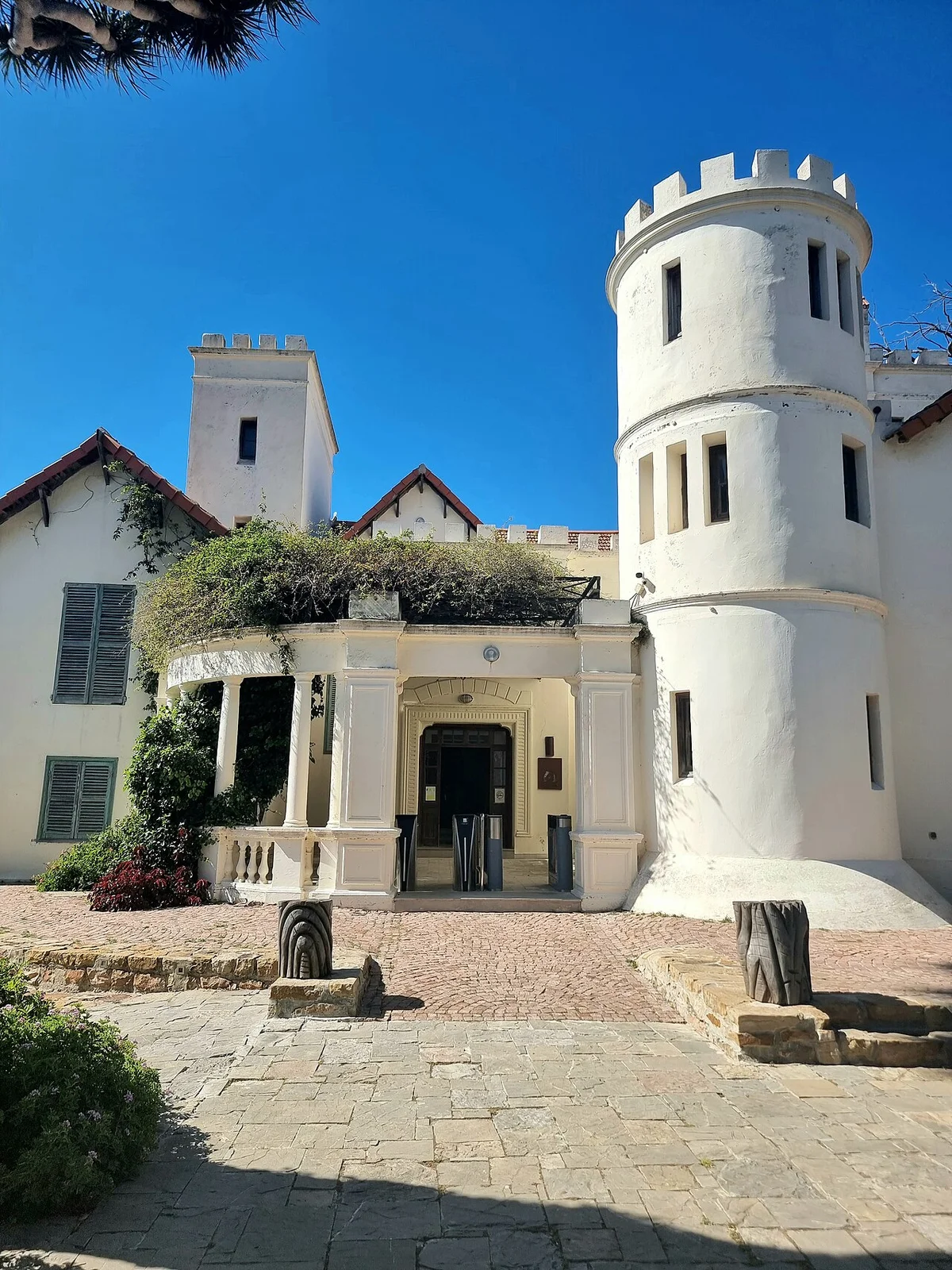
This is also where you will find the former Sultan's palace, now home to the Kasbah Museum.
→ Discover the Kasbah of Tangier and the Kasbah Museum
2. The Kasbah Museum
Housed in the former Sultan's palace, the museum is an interesting place to deepen your understanding of the history and cultural traditions of the region.
Its collections offer an insight into Moroccan arts and crafts. After wandering through the streets of the Kasbah, the museum provides another perspective on the objects, techniques and cultures that have shaped northern Morocco.
For travellers who enjoy understanding the places they visit rather than simply photographing them, it is a particularly good complement to a walk through the Kasbah.
→ Practical information about the Kasbah Museum
3. The Medina of Tangier
The medina of Tangier deserves to be explored as an experience in its own right.
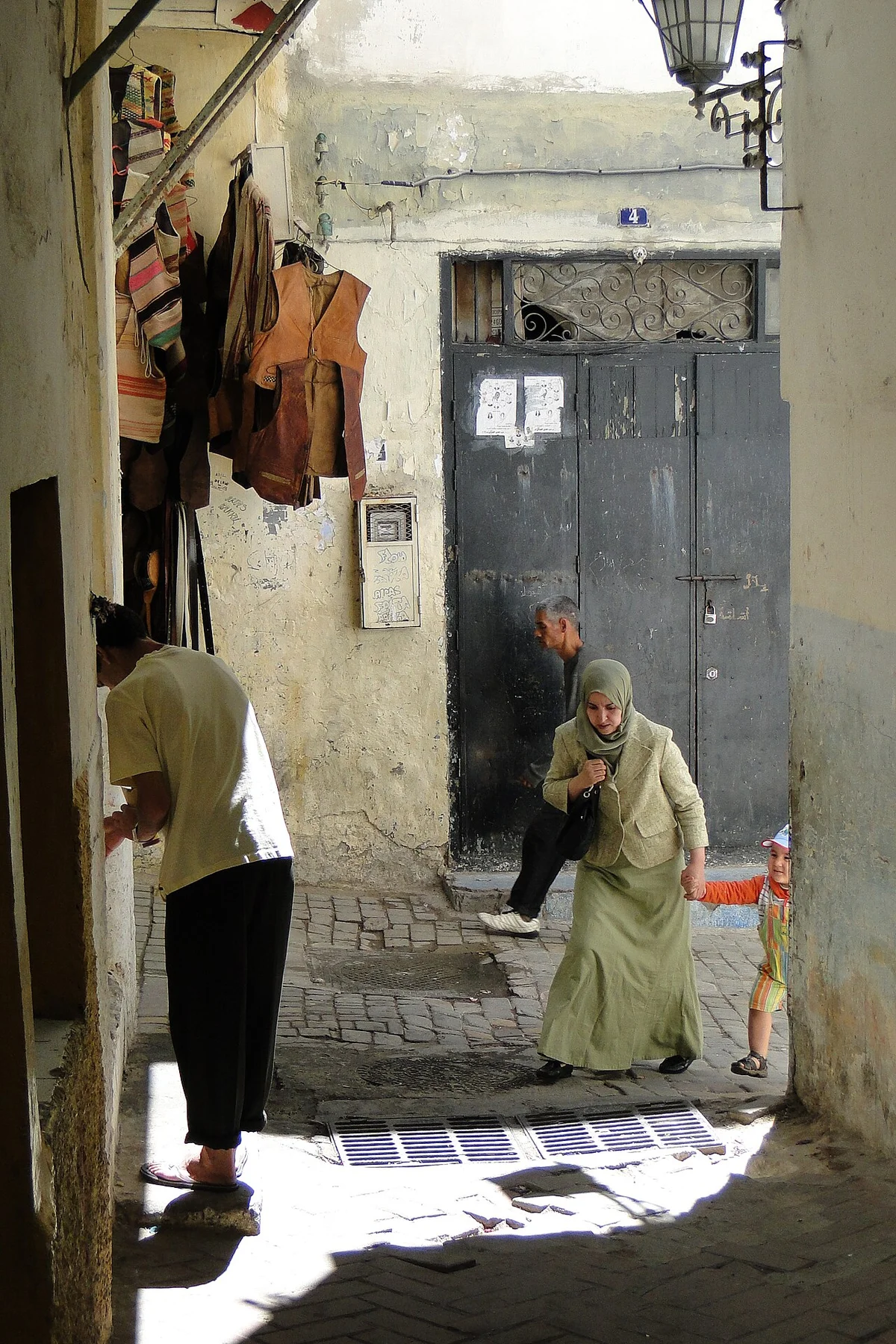
Its appeal lies in the simple pleasure of walking: small shops, colourful doors, craftsmen, scents coming from local businesses and small squares where everyday life continues around you.
There is no need to follow a perfectly planned route. Part of the fun is simply walking through the streets and seeing where they take you.
Between the Kasbah, Petit Socco, Grand Socco and the different historic quarters, the medina can easily fill several hours.
4. Grand Socco
At the meeting point between the modern city and the medina, Grand Socco is one of Tangier's main crossroads.
It is a convenient place to begin or finish a walk through the historic centre. The atmosphere here is more open than in the narrow streets of the medina, with a constant flow of people moving between different parts of the city.
From Grand Socco, several routes lead easily towards the medina, the Mendoubia Gardens and other central landmarks.
5. Petit Socco
Inside the medina, Petit Socco has a very different atmosphere.
Smaller and more intimate, the square recalls Tangier's history as a commercial and international city. For generations, cafés, shops and travellers have crossed paths here, helping to build Tangier's reputation as a city open to the world.
Today, it remains a pleasant stop during a walking tour of the historic centre. Take a few minutes to sit down, have a drink and simply watch the life around you.
6. The American Legation
The American Legation in Tangier occupies a unique place in the city's history.
It reflects the long-standing relationship between Morocco and the United States and today serves as a cultural and historical site.
Its importance is also connected to Tangier's international role over the centuries. Diplomats, merchants, artists and travellers from different parts of the world have all contributed to the city's distinctive identity.
→ Discover the American Legation
7. The Mendoubia Gardens
After the activity of Grand Socco and the medina, the Mendoubia Gardens offer a chance to slow down.
Located close to the historic centre, the gardens provide a quieter setting and can easily be included in a walking route.
It is not necessarily a place where you need to spend hours. Instead, it is a pleasant spot for a short break between neighbourhoods before continuing your exploration.
8. The Cervantes Theatre
The Cervantes Theatre reflects another chapter of Tangier's cultural history.
Its architecture is a reminder of the city's strong Spanish cultural influence and of the important role Tangier has played as an international cultural crossroads.
Even when it is not possible to visit all of its interior spaces, the building is worth stopping by while exploring the modern part of the city.
It is also a good example of what makes Tangier so interesting: its heritage does not tell a single story, but several stories that have crossed paths in the same place.
9. Café Hafa
It is difficult to talk about Tangier without mentioning Café Hafa.
Set on the city's hillsides, it is best known for its views over the Strait of Gibraltar and its distinctive atmosphere.
The appeal is not only what you order, but the moment itself. A glass of Moroccan mint tea, a view of the sea and a few minutes with no particular plan can easily become one of the most memorable moments of your stay.
Café Hafa is particularly easy to combine with a walk through the upper parts of Tangier.
10. The Corniche and the Beach
After exploring the narrow streets of the medina and the heights of the Kasbah, the corniche reveals another side of Tangier.
Restaurants, cafés, hotels and the seafront promenade surround this more modern part of the city. The main beach is also an easy place to take a break after several hours of sightseeing.
You can simply walk along the waterfront, sit facing the sea or extend the day with a meal nearby.
This balance between heritage and the seaside is one of the pleasures of spending time in Tangier.
11. Cap Spartel
To escape the city centre, head west.
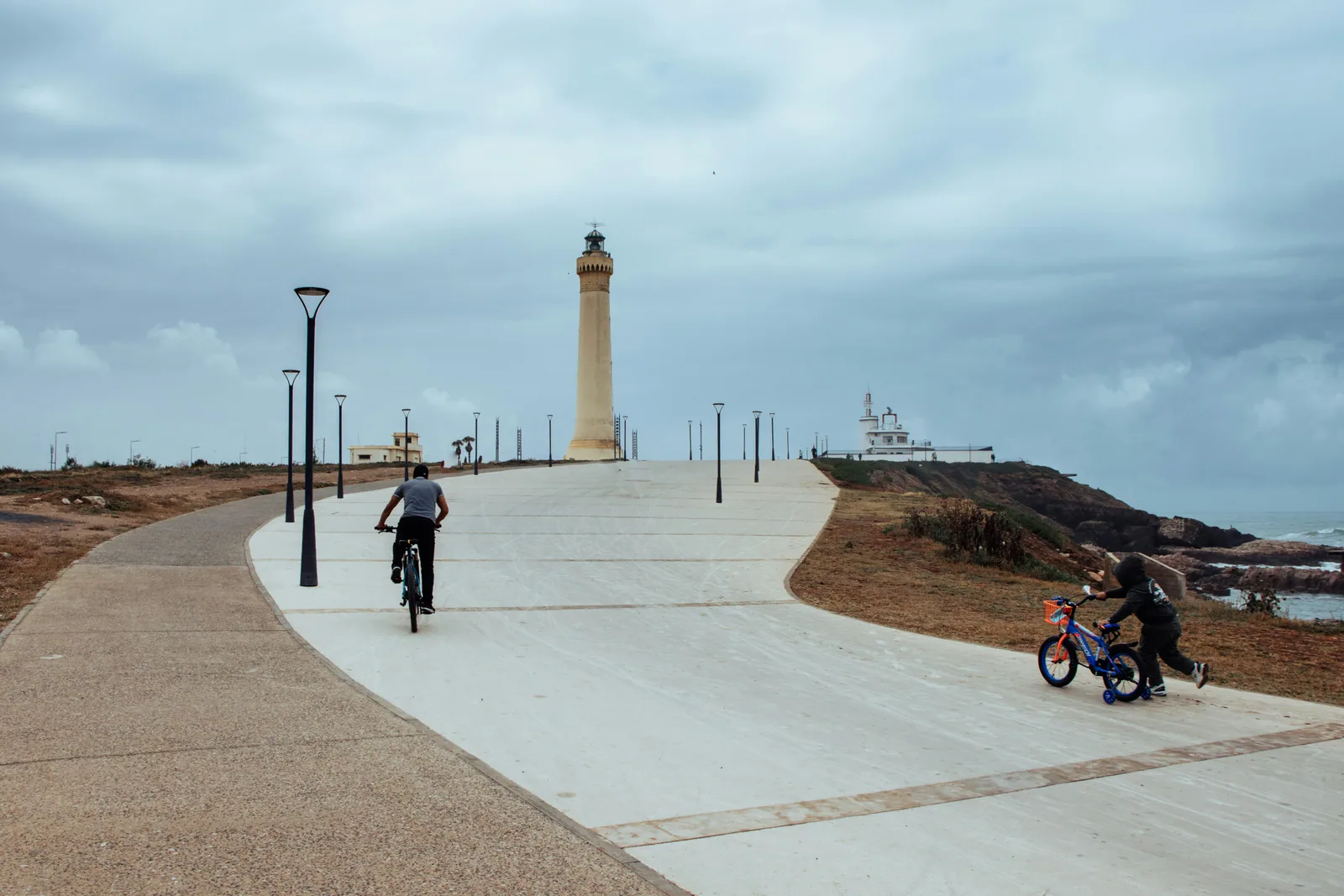
Cap Spartel is one of the easiest excursions from Tangier. The lighthouse, cliffs and wide views over the Atlantic provide a striking contrast with the streets of the medina.
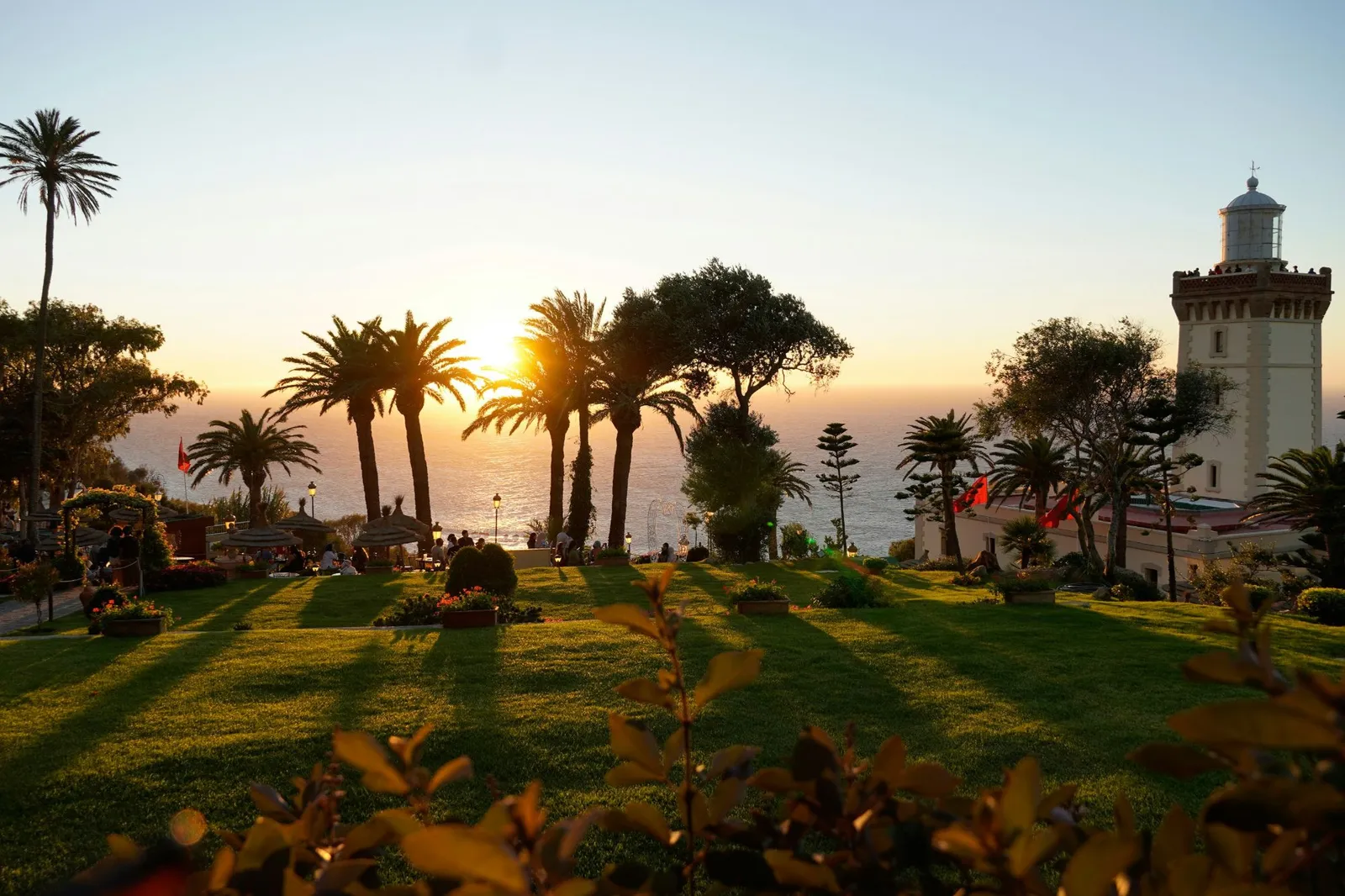
The light becomes particularly beautiful towards the end of the day. If your schedule allows, stay for a while instead of leaving immediately after taking a photo of the lighthouse.
12. The Caves of Hercules
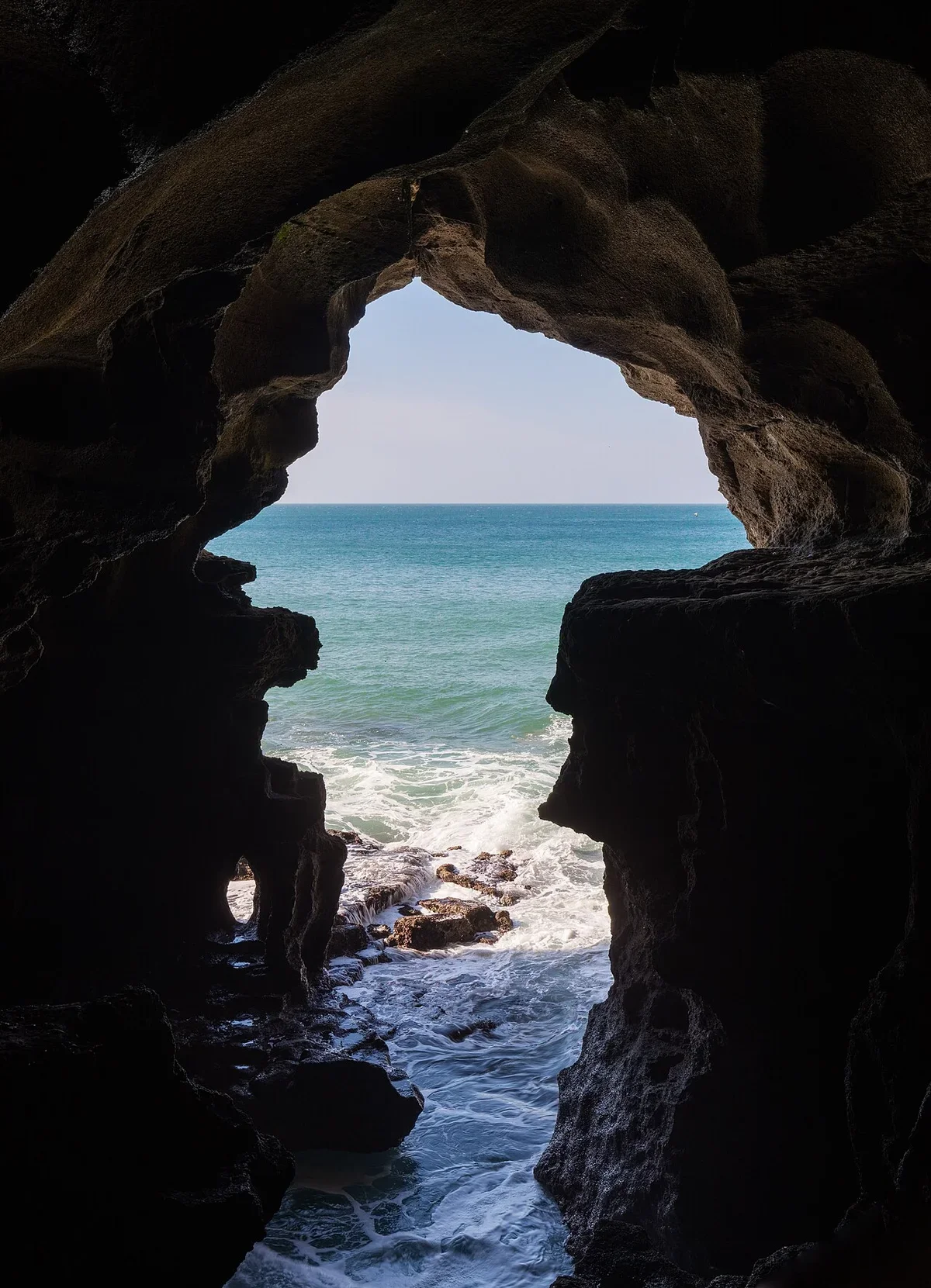
Just a few kilometres from Cap Spartel, the Caves of Hercules are among the best-known attractions around Tangier.
The natural site is associated with several legends and is particularly striking because of its opening towards the ocean.
Its proximity to Cap Spartel makes it easy to visit both sites during the same outing. It is also a pleasant way to spend a few hours exploring the Atlantic coastline after time in the city.
For a more complete excursion, you can also combine this part of the coast with the Rmilate Forest and Perdicaris Park.
13. Rmilate Forest and Perdicaris
If you feel like walking in a more natural environment, Rmilate Forest offers a completely different atmosphere.
The trees, paths and coastal views provide a welcome change after exploring the historic centre.
The Perdicaris Park area can easily be included in a wider excursion towards Cap Spartel and the Caves of Hercules.
→ Discover Perdicaris Palace and Rmilat Park
For travellers who enjoy combining cultural visits with time outdoors, this part of Tangier is well worth a few hours.
14. Cap Malabata
East of Tangier, Cap Malabata offers the opportunity to discover another section of the coastline.
The atmosphere is different from that of the Atlantic coast. This Mediterranean-facing area can easily be explored during a half-day trip, particularly if you want to leave the city centre and experience a different coastal landscape.
With several days in Tangier, Cap Malabata can naturally complement a visit focused on the medina and Cap Spartel.
15. The Souks and Moroccan Crafts
Finally, it would be a shame to visit Tangier without spending some time exploring its shops and traditional crafts.
The medina is a good place to discover textiles, leather goods, decorative objects and other traditional products from northern Morocco.
Here too, it is better to take your time rather than simply look for a souvenir to buy.
The shops and workshops are part of the atmosphere of the medina. Some of the most interesting discoveries happen simply by walking through the streets, watching craftsmen at work or chatting with local shopkeepers.
What Experiences Can You Book in Tangier?
Tangier is easy to explore independently, but certain experiences can add another dimension to your stay.
A guided tour, for example, can be useful if you want to understand the history of the medina and the Kasbah in greater depth. An excursion to Cap Spartel and the Caves of Hercules, meanwhile, allows you to discover the coastline without having to organise each part of the journey yourself.
Depending on your interests, you can also choose a food experience, a private excursion or a trip to another destination in northern Morocco.
For example, a full-day excursion to Chefchaouen from Tangier is a good way to extend your journey into the Rif Mountains.
If you would rather stay around Tangier, another option is to explore Tangier, Cap Spartel and the Caves of Hercules with a camel ride.
And if you prefer a programme adapted to your own pace, you can also choose a private one-day tour of Tangier.
A Two-Day Itinerary for Tangier
Two days are already enough to discover many of Tangier's main highlights, provided you organise your visits sensibly.
Day 1
Kasbah → Kasbah Museum → medina → Petit Socco → Grand Socco → American Legation → Café Hafa.Day 2
Cap Spartel → Caves of Hercules → Atlantic coast → return along the corniche.
The first day focuses mainly on history and urban life. The second takes you outside the city to discover the landscapes surrounding Tangier.
Of course, this itinerary can be adjusted according to your arrival and departure times and, above all, your own pace.
If you arrive late, it may be better to keep the medina for the following day. Conversely, if you leave late in the afternoon, the coastline can easily be included on your final day.
To plan your journey and organise transportation, see our guide How to Get to Tangier: Transport, Ferry, Hotels and Budget.
And to prepare specifically for your coastal excursion, see our guide Cap Spartel and the Caves of Hercules: Excursion from Tangier.
Tangier Is a City Worth Exploring Without Rushing
Tangier has enough monuments and remarkable places to fill several days, but its charm is not limited to the places you can tick off a sightseeing list.
It is found in an unplanned walk through the medina, a few quiet minutes at Café Hafa, the energy of Grand Socco, the changing light at Cap Spartel or a pause overlooking the Atlantic.
That combination is what gives Tangier its character: heritage + culture + sea + gastronomy + crafts + landscapes.
For a first visit, two days provide a good introduction. With more time, you can slow down, explore the surrounding areas and leave room for unexpected discoveries.
And perhaps that is the best way to experience Tangier: with an itinerary precise enough to cover the essentials, but flexible enough to let the city surprise you.
Activities to book in Tangier
To make the most of your visit, here are activities that travellers rate highly, best booked in advance.