Tetouan: History, Andalusian Medina, and Heritage of Northern Morocco
At the gates of the Rif, about twenty kilometers from the Mediterranean, Tetouan has a unique identity among Morocco's major historical cities.
Its history is deeply linked to exchanges between Morocco, Al-Andalus, and the Iberian Peninsula.
Andalusian refugees, artisans, merchants, and various communities contributed to the development of a city whose architecture, artisanal traditions, and urban organization still preserve this memory today.
Its historic Medina, inscribed as a UNESCO World Heritage site since 1997, is one of the most remarkable testimonies to this history.
However, Tetouan's heritage dates back much further.
A few kilometers from the city, the archaeological site of Tamuda bears witness to the ancient history of the region, while Dar Sanâa, located near Bab el-Oqla, perpetuates several artisanal traditions associated with Tetouan.
Discover the sites and monuments of Tetouan
Tetouan, Between the Mediterranean and the Rif Mountains
Tetouan is located in northern Morocco, close to the Mediterranean and at the foot of the Rif Mountains.
This geographical position has profoundly influenced its history.
The city lies in a region that has long served as a contact zone between North Africa, the Iberian Peninsula, and the Mediterranean world.
This relationship with the other side of the strait is one of the keys to understanding Tetouan's unique identity.
Its white architecture, artistic traditions, and Medina reflect several centuries of cultural exchanges.
A Region Inhabited Since Antiquity
The history of the Tetouan region does not begin with the medieval city.
A few kilometers from the current center lies the archaeological site of Tamuda.
This ancient settlement is one of the major testimonies of the ancient occupation of northern Morocco.
The site is associated with the Mauritanian period before experiencing significant Roman presence.
Its location in the valley of the Martil River allowed for the control of a strategic territory between the inland and the Mediterranean coast.
The archaeological remains today allow us to explore a period of regional history that predates the Tetouan we know.
Discover Tamuda and prepare your visit
Tamuda: The Ancient Origins of the Tetouan Region
Tamuda is particularly interesting for understanding the ancient history of northern Morocco.
The region was part of the territory of ancient Mauretania, before its gradual integration into the Roman world.
After the Mauritanian presence, the site was used by the Romans, notably as part of their military apparatus in Tingitana Mauretania.
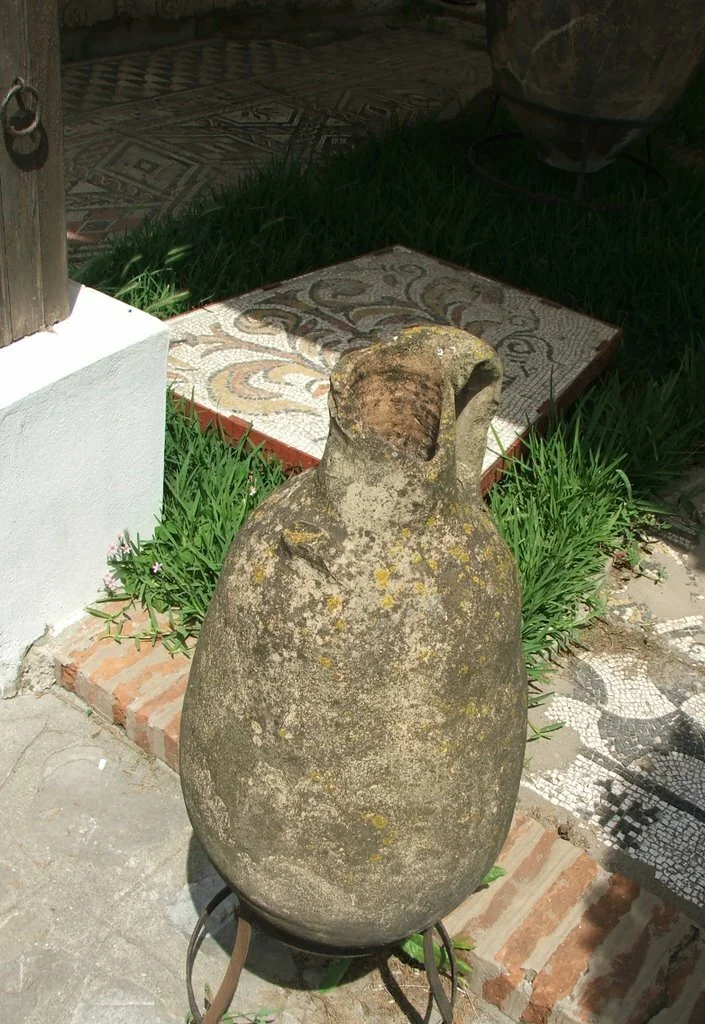
Archaeological excavations have revealed various remains that trace these successive occupations.
Tamuda should therefore be understood as an essential testimony to the ancient history of the Tetouan region, rather than merely as the starting point of the modern city.
This historical depth is one of the great riches of the destination.
The Birth of Medieval Tetouan
The current Tetouan developed during the Middle Ages.
Its proximity to the Mediterranean gave it strategic importance, especially in relations between Morocco and the Iberian Peninsula.
However, one of the major turning points in its history occurred at the end of the 15th century.
The progress of the Reconquista and the fall of Granada in 1492 triggered significant population movements from Al-Andalus to the Maghreb.
Muslim and Jewish families from the Iberian Peninsula settled in several Moroccan cities.
Tetouan became one of the major centers of this migration.
The Andalusian Refugees and the Reconstruction of Tetouan
The settlement of populations from Al-Andalus played a fundamental role in the reconstruction and development of Tetouan.
These communities brought with them architectural, artisanal, musical, and culinary traditions.
This influence did not disappear after a few generations.
It gradually became an essential component of the city's cultural identity.
UNESCO specifically highlights the importance of exchanges between Moroccan and Andalusian cultures in the development of Tetouan's Medina.
This history explains why the city is often considered one of the major centers of Andalusian heritage in Morocco.
The Medina of Tetouan, a UNESCO World Heritage Site
The Medina of Tetouan, formerly known as Titawin, has been listed as a UNESCO World Heritage site since 1997.
UNESCO emphasizes its historical importance as a contact point between Morocco and Andalusia.
Despite its relatively modest dimensions, the Medina has a particularly rich urban fabric.
It features:
- traditional houses organized around patios;
- mosques and religious buildings;
- souks and artisanal spaces;
- fountains;
- narrow alleyways;
- monumental gates connecting the historic city to surrounding neighborhoods.
One of the Medina's attractions is also its state of preservation.
Its urban organization still allows for an understanding of the traditional structure of a historic city in northern Morocco.
Architecture Shaped by Andalusian Heritage
The Andalusian influence in Tetouan is not limited to a few monuments.
It is reflected in the very organization of the city.
Traditional houses, interior patios, architectural decorations, and certain artisanal trades testify to the exchanges that shaped the city over several centuries.
The characteristic white of many facades today strongly contributes to Tetouan's visual identity.
But behind this apparent exterior simplicity, there are often much more decorated interiors.
This contrast between discreet facades and refined interior spaces is characteristic of many traditional urban architectures in Morocco.
Bab el-Oqla, One of the Historic Gates of the Medina
Among the historic entrances to the Medina is Bab el-Oqla.
This gate serves as an excellent starting point to discover part of Tetouan's cultural and artisanal heritage.
It is also in close proximity to one of the most interesting establishments for understanding the traditional crafts of the city: Dar Sanâa.
Dar Sanâa: Preserving Traditional Crafts of Tetouan
This workshop is closely linked to the transmission of Tetouan's artisanal heritage.
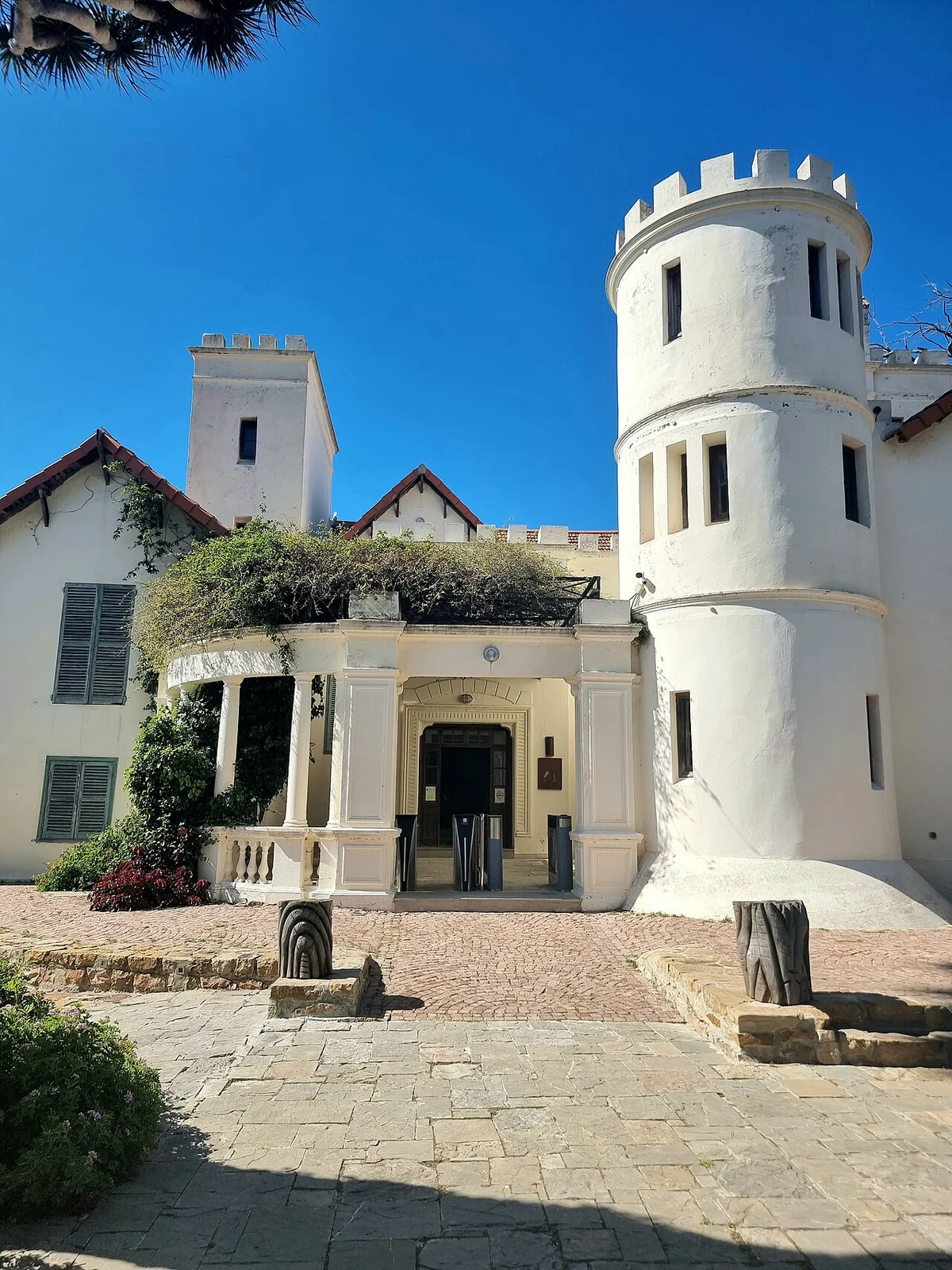
Established in the early 20th century, this institution participates in preserving and teaching various traditional trades.
Its architecture itself deserves attention.
But its main interest lies in the skills that are transmitted there.
Depending on the periods and training, different crafts related to traditional craftsmanship can be represented, including woodworking, decorative arts, and other techniques associated with Tetouan's heritage.
Craftsmanship, An Essential Part of Tetouan's Heritage
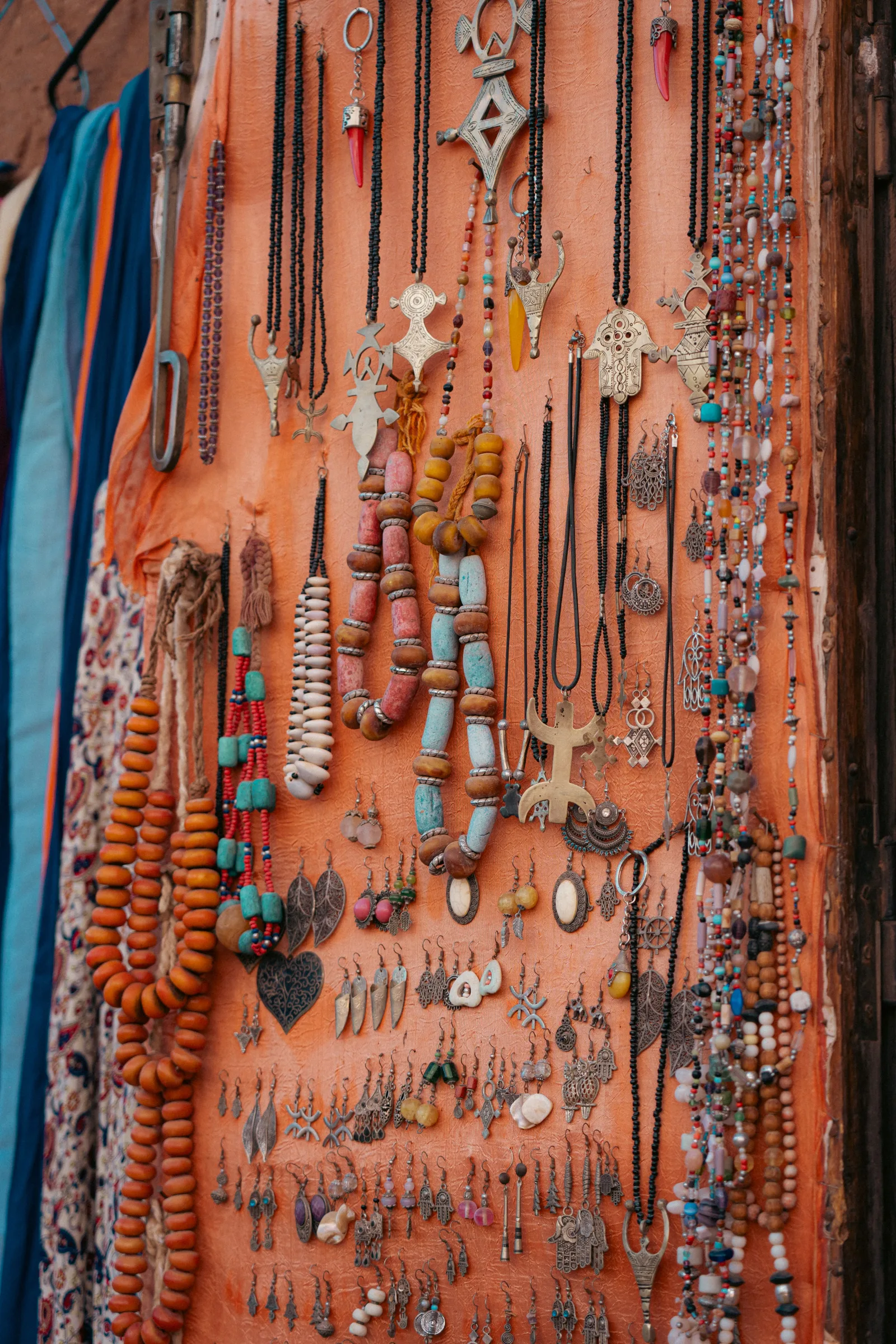
In Tetouan, craftsmanship should not be seen solely as an activity aimed at visitors.
It is part of the social and cultural history of the city.
For generations, skills have been passed down between master artisans, families, and apprentices.
This transmission concerns both techniques and decorative motifs and knowledge of materials.
Dar Sanâa allows us to place this tradition in its historical context.
A visit to the Medina thus takes on another dimension when one understands that many objects, decorations, and architectures observed in the city are the result of skills passed down over generations.
Tetouan and the Hispano-Moroccan Heritage
Tetouan's identity does not stop at its medieval Andalusian heritage.
In the 20th century, the city experienced a new period of particularly strong interactions with Spain.
Tetouan became the capital of the Spanish Protectorate in northern Morocco between 1913 and 1956.
This period left a new urban imprint.
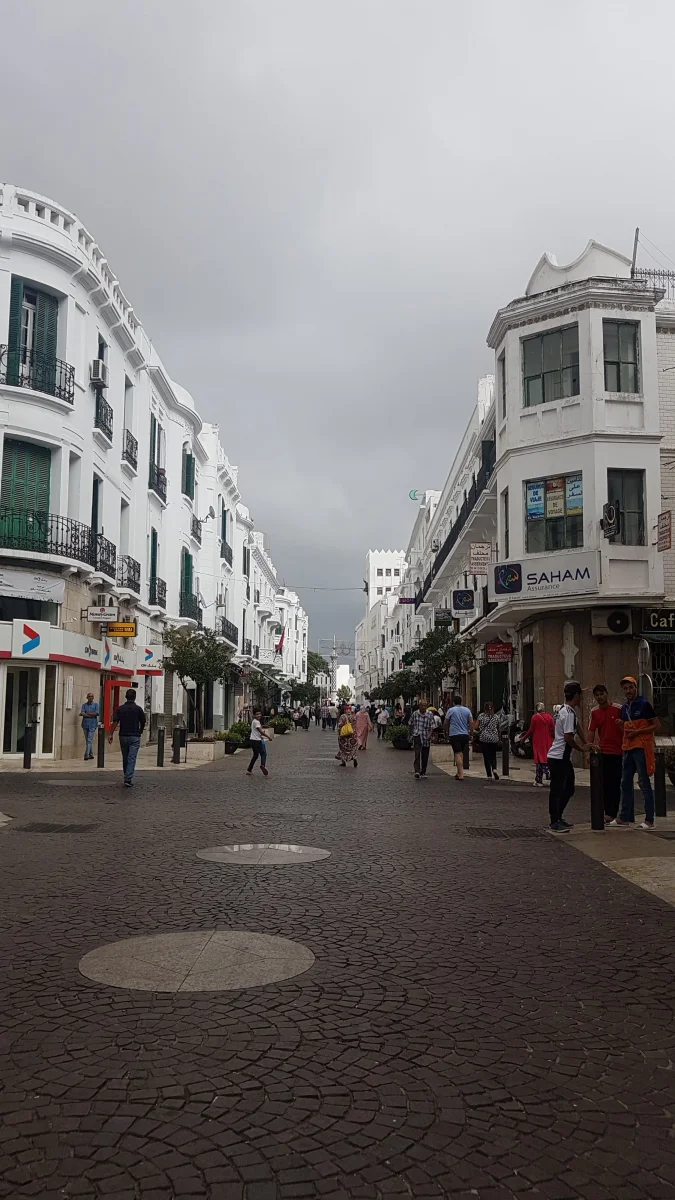
Next to the historic Medina, a modern city developed whose architecture reflects the urban trends of the first half of the 20th century.
Today, moving from the Medina to the modern neighborhoods allows for the discovery of two very different urban landscapes.
The White City of Tetouan
Tetouan is sometimes nicknamed the White Dove.
White indeed dominates a large part of its urban landscape.
In certain neighborhoods, white facades, avenues, and 20th-century architecture contrast with the much denser fabric of the Medina.
This duality constitutes one of the interests of a stroll through the city.
Tetouan is not just a historic Medina.
It is also a city where several architectural periods coexist in a relatively compact area.
Why Visit Tetouan?
Tetouan is a particularly interesting destination for travelers wishing to discover another facet of Moroccan heritage.
The city offers several experiences:
- explore a UNESCO-listed Medina;
- discover the Andalusian history of northern Morocco;
- visit Dar Sanâa and understand the importance of craftsmanship;
- trace back to antiquity at the Tamuda site;
- observe the architecture inherited from the 20th century;
- discover a city deeply linked to the Mediterranean.
This diversity allows for a journey through over two thousand years of regional history.
What to See in Tetouan?
The Medina of Tetouan
Inscribed as a UNESCO World Heritage site since 1997, the Medina of Tetouan is surrounded by 5 km of walls pierced by seven gates. Nicknamed "the daughter of Granada" for its Hispano-Moorish architecture inherited from Andalusian Muslims, it preserves palaces, zellige fountains, and lime-washed alleyways.
Discover the Medina of Tetouan
The Royal Palace
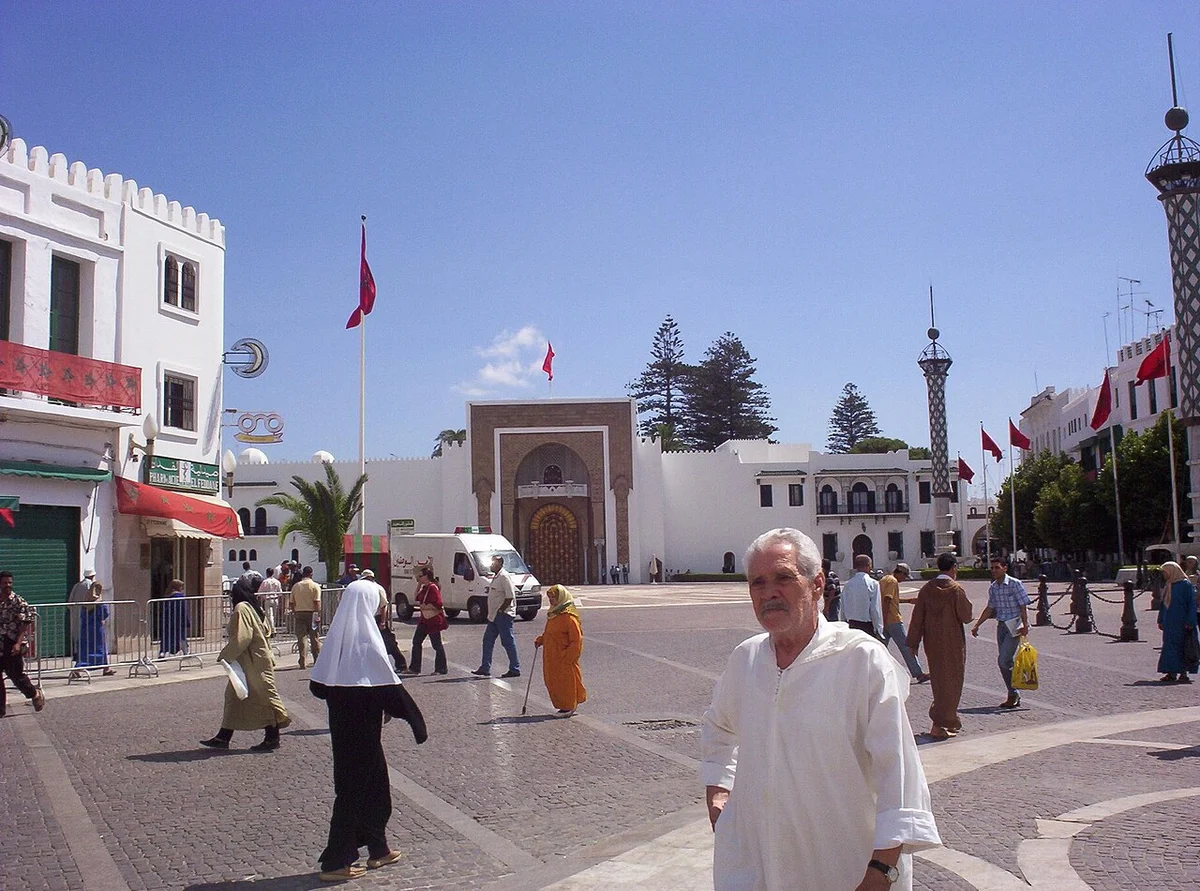
Bordering Hassan II Square, the heart of the modern city, the Royal Palace of Tetouan is not open to visitors, but its architecture commands respect from the outside. Once the sultan's residence, it embodies the continuity of the Alaouite power in a city that was, between 1913 and 1956, the capital of the Spanish protectorate in Morocco.
Moulay El Mehdi Square
A circular square at the heart of the Ensanche, the neighborhood built by the Spanish during the protectorate, Moulay El Mehdi Square (formerly Plaza Primo de Rivera) illustrates the colonial urbanism that coexists in Tetouan with the UNESCO-listed Andalusian medina. Lined with Art Deco buildings and cafes, it remains a central landmark for locals.
Discover Moulay El Mehdi Square
The Ruins of Cotta
Less known than Lixus or Tamuda, the ancient site of Cotta was among the Roman settlements that dotted the northern coast of Morocco facing the Strait of Gibraltar. The remaining vestiges, associated with a fish salting activity, illuminate the network of exchanges that connected this region to the entire ancient Mediterranean world.
The Ruins of Ksar Sghir
The ruins of Ksar Sghir testify to the ancient exchanges around the Strait of Gibraltar. Occupied successively by different powers over the centuries due to its strategic position facing Spain, the site completes the archaeological picture of the region alongside Tamuda and Cotta.
Discover the Ruins of Ksar Sghir
The Spanish Cemetery
Little visited but rich in history, the Spanish cemetery of Tetouan recounts several episodes of the Hispano-Moroccan relationship, from the conquest of the north of the country to the protectorate period (1912-1956), of which Tetouan was the capital.
Tetouan and Chefchaouen: Two Complementary Cities
Tetouan pairs particularly well with Chefchaouen.
Located in the Rif Mountains, Chefchaouen has a very different atmosphere.
Where Tetouan is deeply linked to the Mediterranean and the history of exchanges with Al-Andalus, Chefchaouen stands out for its mountainous environment and its Medina famous for its blue-toned alleyways.
However, both cities share certain historical chapters related to the populations from Al-Andalus.
Visiting them on the same itinerary allows for the discovery of two different interpretations of the cultural heritage of northern Morocco.
Discover Chefchaouen and its heritage
From Tetouan to Chefchaouen
Chefchaouen is located in the Rif, southeast of Tetouan.
The journey allows for a gradual departure from Mediterranean landscapes into a mountainous environment.
For a trip dedicated to the heritage of northern Morocco, the two destinations form a particularly coherent combination.
Tetouan provides the Mediterranean, urban, and artisanal dimension.
Chefchaouen offers a more mountainous atmosphere and a different experience of the Moroccan Medina.
Prepare your discovery of Chefchaouen
Tetouan and Tangier: Two Gates of Northern Morocco
To the west, Tangier is another major must-see destination in northern Morocco.
However, the two cities have very different identities.
Tetouan historically looks towards the Mediterranean and Andalusian heritage.
Tangier occupies a unique position facing the Strait of Gibraltar, at the crossroads of Atlantic and Mediterranean routes.
Its cosmopolitan history, former International Zone, and openness to Europe have created an identity distinct from that of Tetouan.
Discover Tangier and its historical sites
What to Visit Around Tangier?
If your itinerary continues towards Tangier, several sites allow for the extension of the discovery of the heritage and landscapes of northern Morocco.
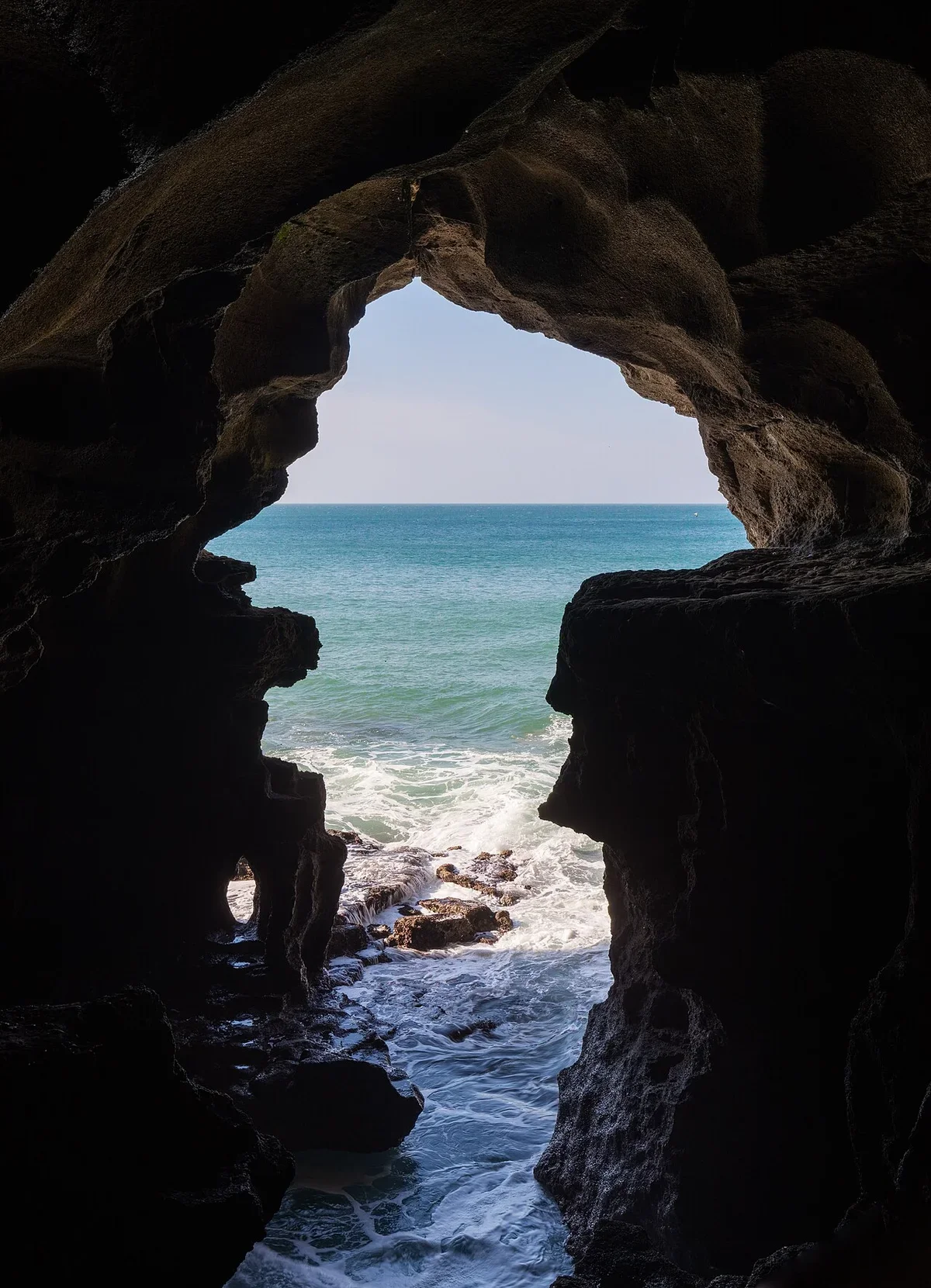
Among them, the Hercules Caves are one of the most famous natural and historical sites in the region.
Nearby, Cape Spartel overlooks the entrance to the Strait of Gibraltar.
The Palais Perdicaris and its park allow for the discovery of another facet of Tangier's international history.
To deepen your understanding of the city's history, also consult our guide:
Tangier: History, Heritage, and Complete Guide
A Cultural Itinerary in Northern Morocco
Tetouan is an excellent stop for building an itinerary dedicated to the heritage of northern Morocco.
A particularly interesting route consists of linking:
Tangier → Tetouan → Chefchaouen
Tangier
Start in Tangier and discover its cosmopolitan heritage, its Medina, and the landscapes of the Strait of Gibraltar.
Tetouan
Continue to Tetouan to explore its UNESCO-listed Medina, Dar Sanâa, and this ancient site.
Chefchaouen
Finish in the Rif Mountains at Chefchaouen, whose Medina offers a very different atmosphere from the two coastal cities.
This itinerary allows for the gathering of ancient heritage, Andalusian legacy, craftsmanship, architecture, Mediterranean landscapes, and Rif culture.
How Much Time to Allocate for Visiting Tetouan?
One day allows for the discovery of the main sites in the historic center.
To explore the Medina more leisurely, visit Dar Sanâa, and include Tamuda in your program, two days offer a more complete experience.
This duration also allows for taking the time to wander through the different neighborhoods of the city and observe the contrast between the historic Medina and the more recent urban extensions.
When to Visit Tetouan?
Spring and autumn generally offer particularly pleasant conditions for discovering Tetouan on foot.
The climate of northern Morocco is influenced by the proximity of the Mediterranean.
In summer, it is advisable to prefer mornings and late afternoons for long walks in the city.
Before visiting Dar Sanâa or Tamuda, always check the updated hours and access conditions.
Prepare Your Visit to Tetouan
To deepen your discovery, also consult:
- Discover the sites and monuments of Tetouan
- Dar Sanâa: Craftsmanship and Heritage of Tetouan
- Tamuda: Discover the Archaeological Site of Tetouan
- Discover Tangier and its Heritage
- Tangier: History, Heritage, and Complete Guide
- Hercules Caves: History and Visit
- Palais Perdicaris: History and Visit
- Discover Chefchaouen
These pages allow for constructing a complete itinerary through Tetouan, Tangier, and Chefchaouen, three complementary destinations to discover the heritage of northern Morocco.
Activities to book in Tetouan
To make the most of your visit, here are activities that travellers rate highly, best booked in advance.
- City Tour of Tétouan with Abir
- Private Hammam and Revitalizing Massage in Tétouan
- From Tétouan: 1-Day Excursion to Chefchaouen & Tétouan
Sources and References
- UNESCO — Medina of Tetouan (formerly Titawin)
- Ministry of Youth, Culture and Communication of Morocco
- Moroccan National Tourism Office — Tetouan
- Museum With No Frontiers — Discover Islamic Art
Tetouan: Between Andalusian Memory and the Mediterranean
Tetouan tells several stories at once.
At Tamuda, the journey goes back to antiquity.
In the Medina, the architecture and urban organization narrate several centuries of Moroccan history and exchanges with Al-Andalus.
At Dar Sanâa, this memory continues through the gestures of artisans and the transmission of traditional skills.
And in the more recent neighborhoods, the architecture recalls the particularly strong relationships maintained with Spain during the 20th century.
Visiting Tetouan means discovering one of the cities where the historical ties between Morocco, Al-Andalus, and the Mediterranean are most visible.
With MoroccoMuseum, discover the heritage of Tetouan, explore Dar Sanâa and Tamuda, and then continue your journey in northern Morocco towards Tangier and Chefchaouen.