Chefchaouen: History, Heritage and Secrets of Morocco's Blue City
Nestled in the heart of the Rif Mountains in northern Morocco, Chefchaouen has become one of the country's most recognizable cities.
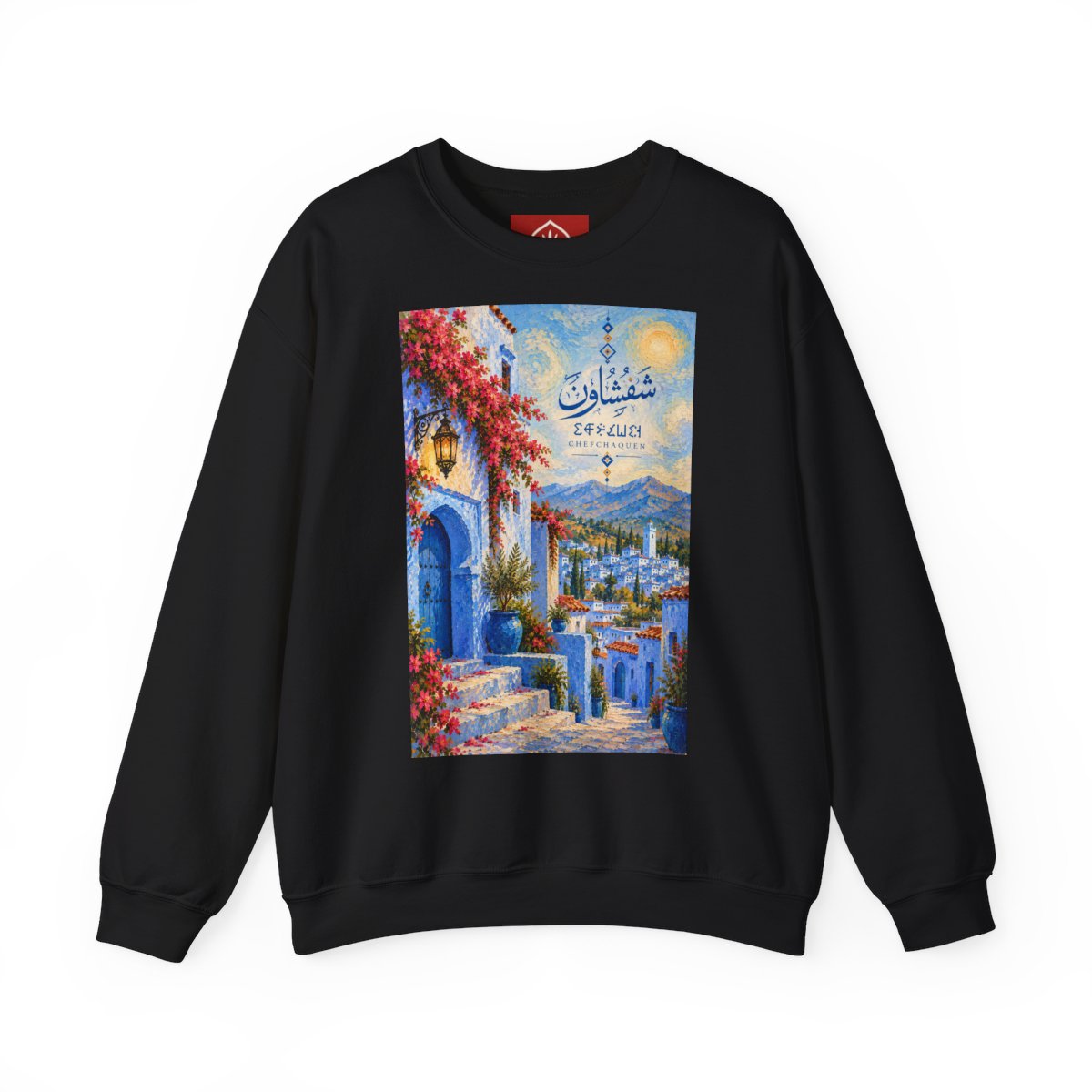
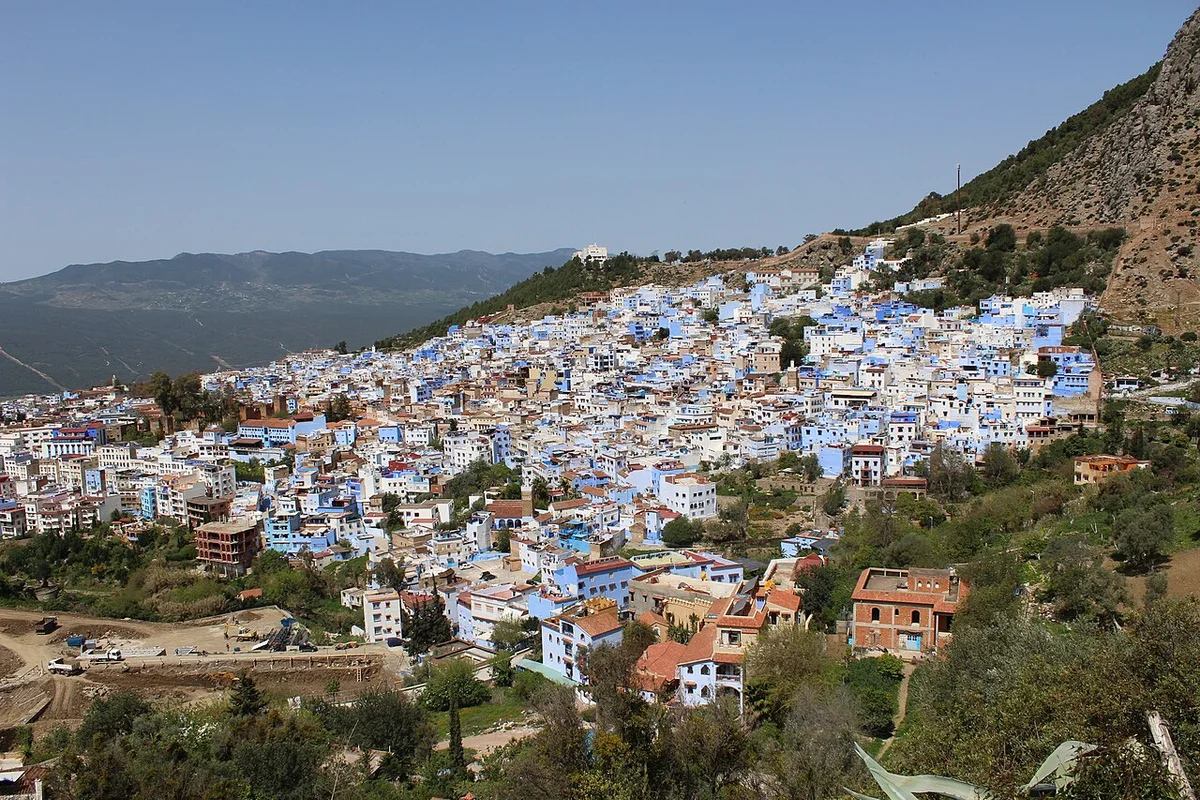
Its whitewashed houses, narrow streets painted in different shades of blue, stairways, decorated doors and surrounding mountains create a unique urban landscape.
But reducing Chefchaouen to its famous blue streets would mean overlooking much of what makes the city fascinating.
Founded in the late 15th century during a period of conflict between Iberian powers and Morocco, the city later welcomed populations arriving from Al-Andalus and developed a cultural identity deeply connected to the history of northern Morocco.
At the heart of this history stands the Kasbah of Chefchaouen, the historic fortress overlooking Outa el-Hammam Square.
Discover the sites and heritage of Chefchaouen
Chefchaouen, a City Between the Mountains
Chefchaouen is built on the slopes of the Rif Mountains, in a mountainous environment that immediately distinguishes it from Morocco's great imperial cities.
Its name is generally associated with an Amazigh expression referring to "horns", a reference to the mountain peaks surrounding the city.
This geography is not only spectacular.
It also played an essential role in Chefchaouen's history.
Protected by the mountains and located inland, the city occupied a strategic position from which part of northern Morocco could be monitored and defended.
Even today, the mountains remain an essential part of its identity.
The Foundation of Chefchaouen in 1471
Chefchaouen was founded in 1471, during a particularly turbulent period in the history of northern Morocco.
At the time, Iberian powers were strengthening their presence along the North African coast.
The Portuguese had notably captured Ceuta in 1415 and sought to consolidate their position in the region.
Against this background, Moulay Ali Ben Rachid established Chefchaouen as a fortified settlement.
Its position in the mountains contributed to the defense of the interior against incursions from the coast.
The city gradually developed around this military role and its Kasbah.
The Kasbah of Chefchaouen, the Historic Heart of the City
At the center of the Medina, facing the famous Outa el-Hammam Square, stands the Kasbah of Chefchaouen.
This fortress is one of the city's principal historic monuments.
Its ochre-colored walls create a striking contrast with the blue and white façades that characterize Chefchaouen today.
Above all, the Kasbah recalls the city's original defensive function.
Inside, gardens, historic spaces and collections introduce visitors to different aspects of the history and culture of the region.
Discover the Kasbah of Chefchaouen
Outa el-Hammam, the Main Square of the Medina
In front of the Kasbah lies Outa el-Hammam, the main square of the old city.
It is one of the best places to begin exploring Chefchaouen.
Cafés, restaurants and historic buildings surround this lively square, while the streets of the Medina lead in several directions toward neighborhoods higher up the mountain.
The contrast between the ochre walls of the Kasbah, the blue façades and the surrounding mountains captures much of Chefchaouen's visual identity.
The Arrival of People from Al-Andalus
Chefchaouen's history changed significantly toward the end of the 15th century.
The fall of the Kingdom of Granada in 1492 marked the end of the last major Muslim-ruled kingdom on the Iberian Peninsula.
During the following decades, successive waves of Muslim and Jewish populations left the peninsula for the Maghreb.
Chefchaouen was among the northern Moroccan cities that received these communities.
Their presence gradually influenced the city's architecture, craftsmanship, traditions and culture.
Andalusian influences consequently became an important component of Chefchaouen's identity.
Chefchaouen and the Andalusian Heritage of Northern Morocco
Chefchaouen was not an isolated case.
Several cities in northern Morocco were profoundly influenced by historical relations with Al-Andalus.
This is particularly true of Tetouan, whose Medina was extensively rebuilt by populations arriving from Andalusia following the Reconquista.
UNESCO specifically highlights the importance of this heritage in the architecture and urban organization of the Medina of Tetouan.
Visiting Chefchaouen and Tetouan together therefore offers two different perspectives on a shared history linking Morocco and the Iberian Peninsula.
Discover Tetouan and its heritage
Why Is Chefchaouen Blue?
This is probably the most famous question about Chefchaouen.
Why are so many houses painted blue?
Several explanations exist.
One of the most popular theories associates the color with Jewish communities that lived in the city, as blue can carry spiritual significance in certain traditions.
Other interpretations refer to local decorative practices, the idea that the color creates a feeling of freshness, or the gradual development of a distinctive visual identity for the city.
The historical reality is probably more complex.
It is therefore better not to present any single explanation as an absolute historical certainty.
A Blue Tradition More Recent Than Many Imagine
The image of Chefchaouen that we know today, with entire neighborhoods covered in different shades of blue, developed gradually.
Old photographs of the city show that its façades were not always painted with the same intensity and uniformity seen today.
Blue became an increasingly important feature of the urban landscape during the 20th century.
Today, the color has become an inseparable part of Chefchaouen's identity.
It has also helped make the city one of the most photographed destinations in Morocco.
Exploring the Medina of Chefchaouen
Chefchaouen's Medina is relatively compact.
It is easy to explore on foot, although its streets constantly rise and descend because of the mountainous terrain.
That is precisely part of the pleasure of visiting.
Stairways, narrow passages, small squares, fountains, painted doors and traditional houses appear one after another as you move through the different neighborhoods.
Unlike some of Morocco's larger Medinas, there is no need to follow a strict itinerary.
Chefchaouen is particularly suited to wandering.
Beyond the Most Photographed Blue Streets
Some streets in Chefchaouen have become extremely popular on social media.
But limiting a visit to these few places would mean missing much of the city.
Move slightly away from the busiest routes and you will discover a more everyday Medina.
Residents, small shops, neighborhood ovens, artisans and local markets remind visitors that Chefchaouen is not a setting created for tourism.
It is first and foremost a living city.
This should be respected, particularly when photographing homes or local residents.
Ras El Ma, Between the Medina and the Mountains
At one edge of the Medina lies Ras El Ma, literally meaning "head of the water."
This spring has long played an important role in the life of Chefchaouen.
It also marks a transition between the historic city and the natural landscapes of the Rif.
From this area, several walks lead higher into the surrounding hills and provide panoramic views over Chefchaouen.
The contrast between the blue houses, Medina rooftops and mountains is particularly striking from above.
Chefchaouen, Gateway to the Rif Mountains
Chefchaouen's appeal extends far beyond the Medina.
The city is also an excellent base for discovering the landscapes of the Rif Mountains.
The surrounding mountains offer several possibilities for hiking and walking.
The region is characterized by valleys, forests, rivers and limestone landscapes.
For travelers interested in both cultural heritage and nature, Chefchaouen is therefore a particularly rewarding destination.
Akchour and the Natural Landscapes Around Chefchaouen
Among the best-known excursions from Chefchaouen is Akchour.
The area is famous for its mountain landscapes, waterways and waterfalls.
It attracts many visitors looking to complement their exploration of the Medina with time in nature.
Trail conditions can vary considerably depending on the season and weather.
It is therefore advisable to check local conditions before setting out on a hike.
Chefchaouen and UNESCO's Mediterranean Diet
Chefchaouen also has a lesser-known connection with UNESCO heritage.
The city is one of the emblematic communities associated with the Mediterranean Diet, inscribed on UNESCO's Representative List of the Intangible Cultural Heritage of Humanity.
This recognition is not simply about a list of foods.
It encompasses knowledge, agricultural practices, culinary traditions, communal meals and the relationship between communities and their territory.
In the Chefchaouen region, this connection between landscape, agriculture and food forms an important part of local cultural heritage.
The Crafts of Chefchaouen
The Medina is also home to numerous artisans.
Local traditions are notably associated with wool, wood, leather and weaving.
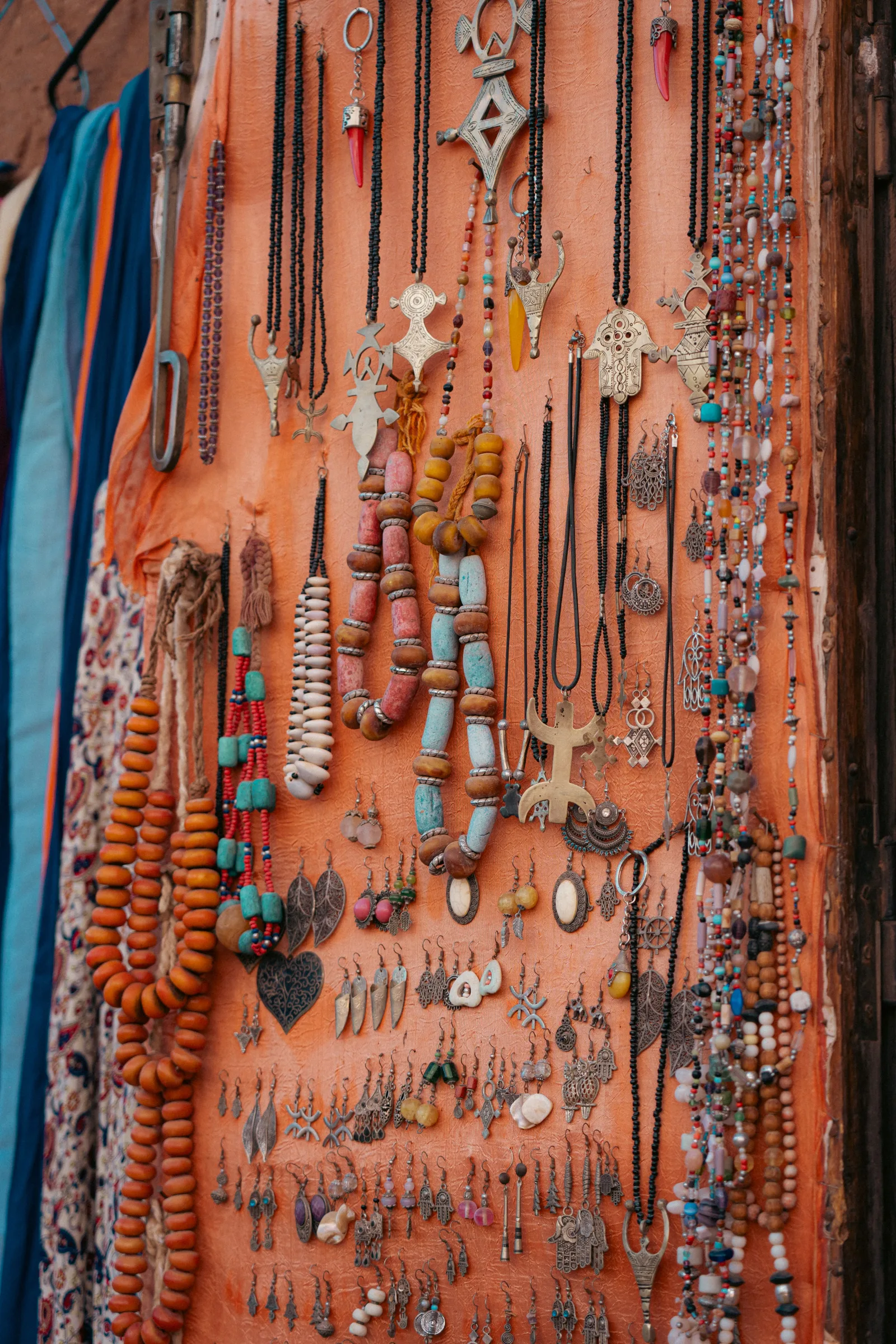
Shops sell blankets, textiles, clothing, wooden objects and other products reflecting regional craftsmanship.
Chefchaouen's crafts combine traditions of the Rif with the different historical influences that have shaped the city.
Taking time to observe local workshops reveals another side of its heritage.
What to See in Chefchaouen
A first visit can easily be organized around several essential places.
The Kasbah
Begin with the Kasbah of Chefchaouen, an essential monument for understanding the origins of the city.
Outa el-Hammam Square
Take time to explore the Medina's main square and observe its architecture.
The Blue Medina
Walk through the streets without focusing only on the most photographed locations.
Ras El Ma
Continue toward the spring and the neighborhoods at the edge of the Medina.
The Hills Above Chefchaouen
Climb into the surrounding hills for panoramic views over the city and Rif Mountains.
How Long Should You Stay in Chefchaouen?
One day is enough to discover the main sites of the Medina.
However, two days provide a much more enjoyable experience.
You can explore the city early in the morning or toward the end of the day, when the streets are quieter, and spend more time discovering local crafts and the surrounding landscapes.
A longer stay also makes it possible to plan an excursion to Akchour or other parts of the Rif.
Chefchaouen and Tetouan: An Andalusian Heritage Route
Chefchaouen combines particularly well with Tetouan.
Both cities share historical links with populations arriving from Al-Andalus, but their architecture and natural environments are very different.
In Tetouan, the UNESCO-listed Medina is one of the most important historic urban ensembles in northern Morocco.
The city also offers the opportunity to discover Dar Sanâa, associated with the transmission of traditional craftsmanship, as well as Tamuda, where visitors can explore the ancient history of the region.
Chefchaouen and Tangier: From the Mountains to the Strait of Gibraltar
Chefchaouen can also be combined with Tangier as part of an itinerary through northern Morocco.
The two destinations offer very different experiences.
Chefchaouen is a mountain city shaped by Andalusian heritage and Rif culture.
Tangier is a port city overlooking the Strait of Gibraltar whose history was shaped by exchanges between Africa, Europe, the Atlantic and the Mediterranean.
Discover Tangier and its heritage
For a deeper look at the city's history, see our complete guide to Tangier.
Places to Discover Around Tangier
If your itinerary continues toward Tangier, several sites provide further opportunities to explore the heritage and landscapes of northern Morocco.
The Caves of Hercules combine Atlantic landscapes, history and mythology.
The Perdicaris Palace and Park reveal another side of Tangier's international history.
Cape Spartel offers one of the region's most emblematic panoramas overlooking the approaches to the Strait of Gibraltar.
A Cultural Itinerary Through Northern Morocco
One of the best ways to discover the region is to connect three complementary destinations:
Tangier → Tetouan → Chefchaouen
Tangier
Begin in the city overlooking the Strait, exploring its Medina and cosmopolitan heritage.
Tetouan
Continue to Tetouan to discover its Medina and Andalusian heritage.
You can also explore Dar Sanâa and the archaeological site of Tamuda.
Chefchaouen
Finish your journey in the Rif Mountains with the blue Medina and the Kasbah of Chefchaouen.
This itinerary combines Mediterranean heritage, Andalusian history, archaeology, craftsmanship, Rif landscapes and the history of northern Morocco.
When to Visit Chefchaouen
Spring and early autumn generally offer very pleasant conditions for exploring Chefchaouen.
Because of its altitude and location in the Rif Mountains, the climate can be cooler and wetter than in many major cities of central and southern Morocco.
Winter can bring relatively low temperatures, particularly in the evening.
During summer, beginning your walks early in the morning allows you to enjoy quieter streets and particularly attractive light for photography.
Tips for Photographing Chefchaouen
Chefchaouen has become one of the most photographed destinations in Morocco.
To enjoy the city while respecting its residents:
- visit the most popular streets early in the morning;
- avoid blocking narrow passages while taking photographs;
- ask permission before photographing people directly;
- respect entrances to private homes;
- explore neighborhoods beyond the most popular photo spots.
The Medina is a living heritage site before it is a photographic backdrop.
Plan Your Visit to Chefchaouen
To continue your discovery, see also:
- Discover the sites and heritage of Chefchaouen
- Kasbah of Chefchaouen: history and visit
- Chefchaouen: history and complete guide
- Discover Tetouan and its heritage
- Dar Sanâa in Tetouan
- Tamuda archaeological site
- Discover Tangier
- Tangier: history, heritage and complete guide
- Caves of Hercules in Tangier
- Perdicaris Palace in Tangier
Together, these pages make it possible to create a complete cultural itinerary through Chefchaouen, Tetouan and Tangier.
Sources and References
- UNESCO — Chefchaouen and the Mediterranean Diet
- Moroccan National Tourist Office — Chefchaouen
- Moroccan National Tourist Office — Chefchaouen Medina
- UNESCO — Medina of Tetouan, formerly known as Titawin
Chefchaouen: Much More Than the Blue City
Blue has made Chefchaouen famous around the world.
But behind this image lies a much richer history.
The city tells the story of the conflicts that affected northern Morocco in the 15th century, migrations from Al-Andalus, the development of a distinctive culture in the Rif Mountains and the transmission of craft and culinary traditions that remain alive today.
The Kasbah of Chefchaouen recalls the city's defensive origins.
The Medina reflects centuries of urban development.
The surrounding mountains help explain its historical isolation and distinctive identity.
And its connections with Tetouan and Tangier place Chefchaouen within the much broader history of northern Morocco.
Visiting Chefchaouen therefore means discovering much more than a blue backdrop: it means entering the history of a Rif city shaped by encounters between Morocco, Al-Andalus and the Mediterranean.
With MoroccoMuseum, discover Chefchaouen's heritage, prepare your visit to the Kasbah and continue your journey through Tetouan, Tangier and northern Morocco.