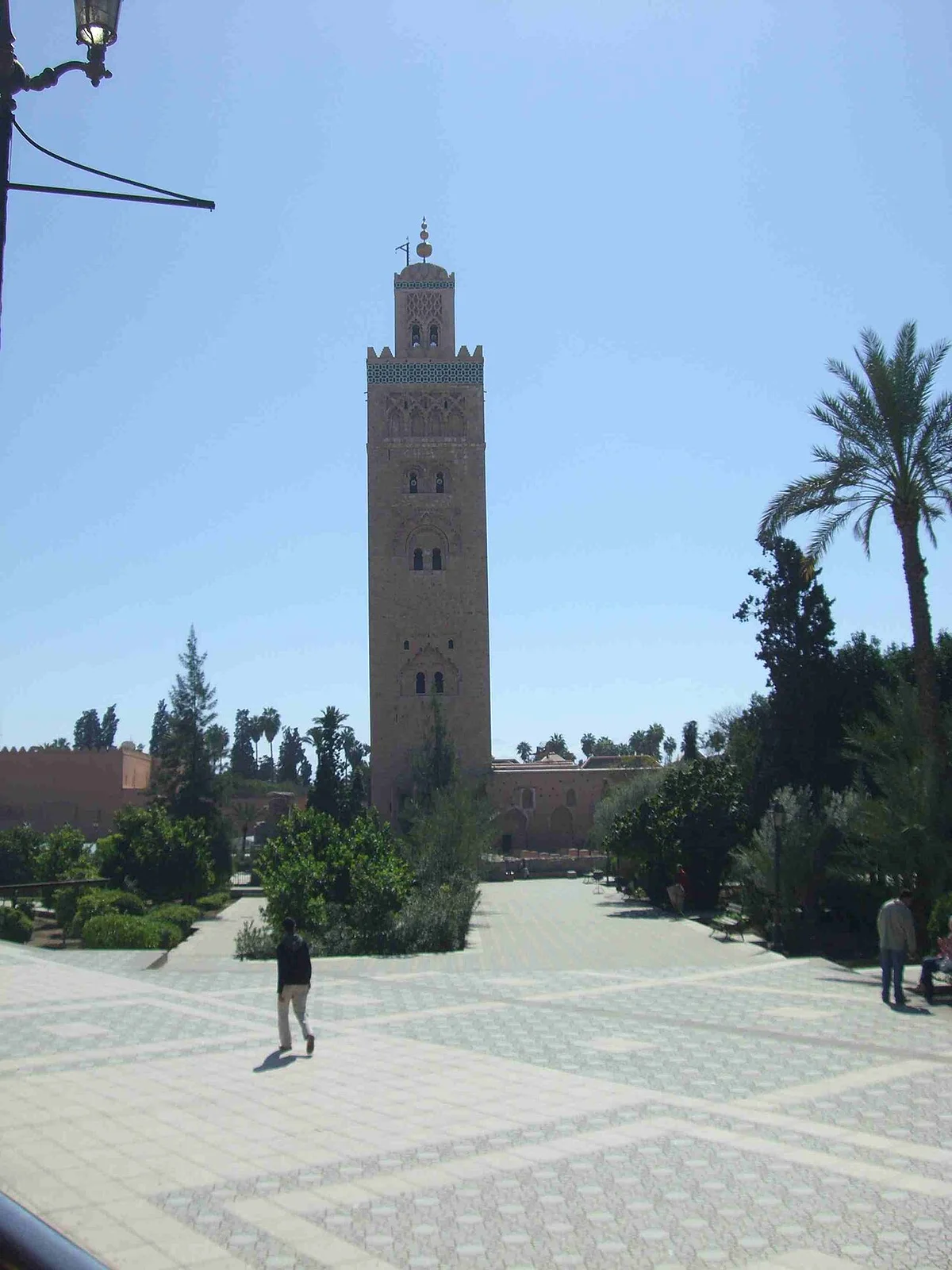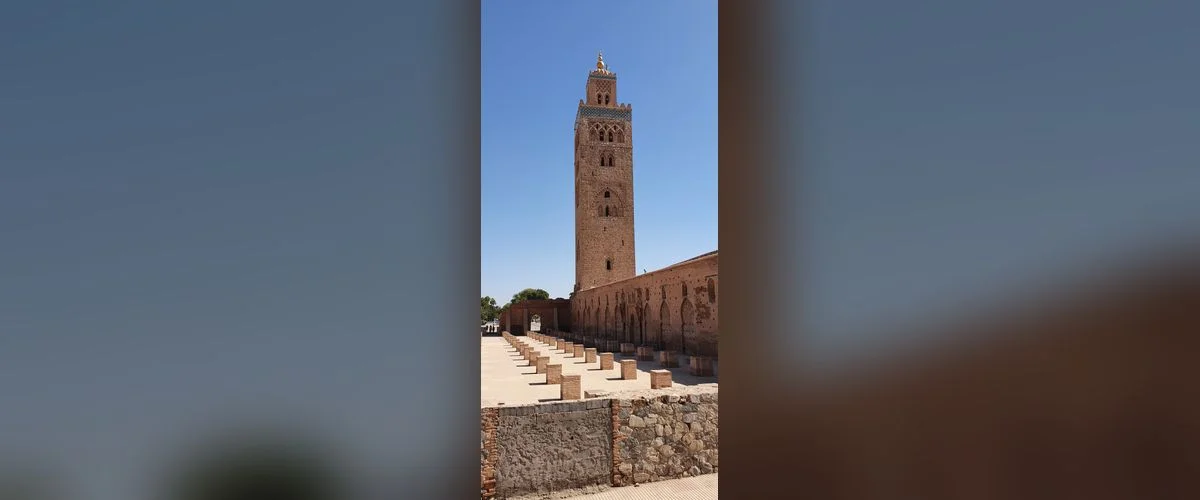
Cover photo: Koutoubia Mosque, Marrakech — Yair Haklai / Wikimedia Commons, CC BY-SA 4.0.
From 20 to 28 November 2026, Marrakech hosts the 23rd edition of its international film festival. For nine days, the Red City becomes a meeting place for film lovers, industry professionals and visitors drawn by an international programme. Official competition, gala screenings, the Moroccan Cinema Panorama, retrospectives, encounters with artists and sessions for young audiences: the festival offers many ways to experience cinema. Here is the practical guide to the dates, the programme, choosing your screenings and preparing your visit to Marrakech.
The Marrakech International Film Festival 2026: nine days devoted to cinema
The Marrakech International Film Festival, often known by its acronym FIFM, returns from Friday 20 to Saturday 28 November 2026 for its 23rd edition. Since its creation, the event has gradually established itself as one of the major film gatherings on the African continent and in the Arab world.
Its purpose is to bring international cinemas into dialogue, to support new talent and to encourage exchanges between artists and audiences. The programme brings together films from different backgrounds, established directors, actors, producers and industry professionals.
The 2026 edition is built around several complementary sections. The official competition showcases first and second feature films by international directors. The gala screenings present eagerly awaited works and films associated with invited personalities. The Moroccan Cinema Panorama offers a look at recent national productions, while the 11th Continent section explores bolder cinematic propositions.
The public talks, called "Conversations", are another important highlight. They allow audiences to hear artists and filmmakers discuss their careers, their work and their vision of cinema.
The programme published for this edition announces in particular:
- Dates: 20 to 28 November 2026.
- Duration: nine days.
- Films and programmes: 75.
- Screenings: 122.
- Official competition: 14 films.
- Public Conversations: 10 talks.
- Venues: four sites hosting five halls and stages.
This structure lets visitors build a route according to their preferences. Some may devote their day to the official competition; others will prefer Moroccan films, the tributes, the talks or the evening screenings.
The festival thus addresses different kinds of spectators: lovers of auteur cinema, fans of international productions, Marrakech residents, foreign visitors and professionals keen to discover new projects.
FIFM 2026 dates: the calendar to remember
The 23rd edition runs over nine days, with an opening ceremony on 20 November and a closing ceremony on 28 November.
The programme changes every day and the screenings are spread across several venues. It is therefore advisable to check the full calendar before setting out, especially when two screenings or talks take place at similar times.
Friday 20 November: opening of the festival
The first day marks the official launch of this edition. The opening ceremony is scheduled for 7:30 p.m. in the Salle des Ministres of the Palais des Congrès.
The evening also includes the screening of the opening film, Mona (The Debut), at 7:30 p.m. in the same hall. This session is announced with priority given to invitations.
The programme begins earlier in the day, however. Cinéma Le Colisée hosts screenings for young audiences, with The Last Whale Singer. A screening of The Blind Orchestra, linked to the tribute to Younès Mégri, is also programmed at 6 p.m. at Le Colisée, followed by a discussion with guests.
In the evening, audiences can also catch Barton Fink, as part of the tribute to John Turturro.
This first day thus offers a glimpse of several dimensions of the festival: an official ceremony, an opening film, a tribute and screenings open to the public depending on access conditions.
Saturday 21 November: competition and a tribute to Jeff Goldblum
The second day gives an important place to the official competition. Among the films programmed are Ben'imana at 11 a.m. and Chronicles from the Siege at 2:30 p.m. in the Salle des Ministres.
The programme also includes sessions in the Salle des Ambassadeurs, at Le Colisée and at the Yves Saint Laurent Museum.
At 6 p.m., the Salle des Ministres hosts the tribute to Jeff Goldblum. This event is one of the day's highlights.
In the evening, Cinéma Le Colisée screens Jurassic Park, while the Yves Saint Laurent Museum hosts a screening of The Big Lebowski, as part of the tribute to John Turturro.
Visitors hoping to attend several sessions should allow for travel between the different venues. A screening at the Palais des Congrès may be followed by another at Le Colisée or the Yves Saint Laurent Museum, but you need to plan enough time in between.
Sunday 22 November: international cinema and the first Conversations
Sunday offers a particularly varied programme.
The morning includes a Conversation with Arthur Harari at 11:30 a.m. at the Théâtre Meydene. Another talk, with Rian Johnson, is scheduled for 3 p.m.
The official competition continues with Our Share of Sand at 11 a.m. and Cairo Shadows at 3 p.m. in the Salle des Ministres.
The Moroccan Cinema Panorama also begins, with the screening of Bardi at 6:30 p.m. in the Salle des Ambassadeurs.
In the evening, the festival pays tribute to John Turturro at 7:30 p.m. in the Salle des Ministres. Le Colisée and the Yves Saint Laurent Museum host other screenings at the same time, including The Fly at 10:15 p.m. at the YSL Museum.
This day will particularly interest visitors who want to combine the discovery of new films, encounters with artists and screenings of classics.
Monday 23 November: new screenings and encounters with artists
Monday sees the competition and the parallel sections continue.
The day begins with a Conversation with Cristian Mungiu at 11:30 a.m. at the Théâtre Meydene. A talk with John Turturro is scheduled for 3 p.m. in the same venue.
In the Salle des Ministres, audiences can discover Sad Girlz at 11 a.m., then Waves of Silence at 3 p.m. as part of the official competition.
The Moroccan Cinema Panorama also offers Hoods at 9 p.m. in the Salle des Ambassadeurs.
The evening programme further includes Paper Tiger at 7:30 p.m. in the Salle des Ministres, as well as Ali, Rabiaa and the Others… at 9:30 p.m. at the Yves Saint Laurent Museum.
Monday is therefore an interesting day for spectators who want to sample several sections rather than limit themselves to the competition.
Tuesday 24 November: a diversity of cinemas
Tuesday continues the competition with two important sessions: A Day in the Life of Jo: Chapter Phaedra at 11 a.m. and Furies at 3 p.m. in the Salle des Ministres.
The Théâtre Meydene hosts a Conversation with James Gray at 3 p.m. The Moroccan Cinema Panorama offers Halima at 3:15 p.m. in the Salle des Ambassadeurs.
In the evening, Leila and the Night is on the programme of the Salle des Ministres at 7:30 p.m. The Yves Saint Laurent Museum also hosts Do the Right Thing at 9:15 p.m., as part of the tribute to John Turturro.
Tuesday's programme thus lets you move from an international competition to an encounter with a director, then to a Moroccan film or a repertory classic.
Wednesday 25 November: a tribute to Younès Mégri
Wednesday is an important day for Moroccan programming and international encounters.
The official competition presents Marie Madeleine at 11 a.m. and House of the Wind at 3 p.m. in the Salle des Ministres.
The Théâtre Meydene hosts a Conversation with Luca Guadagnino at 11:30 a.m., then a talk with Jeff Goldblum at 3 p.m.
In the Salle des Ambassadeurs, audiences can discover Banou at 3 p.m.
The evening's highlight is the tribute to Younès Mégri, scheduled for 7:30 p.m. in the Salle des Ministres. This sequence shines a light on the career of a Moroccan artist whose work has left its mark on music and cinema.
The Yves Saint Laurent Museum also offers Independence Day at 9:30 p.m., as part of the tribute to Jeff Goldblum.
Thursday 26 November: competition, Moroccan cinema and auteur films
Thursday continues the official competition with Eklipse at 11 a.m. and Alkebulan at 3 p.m. in the Salle des Ministres.
The Théâtre Meydene hosts a Conversation with Xavier Dolan at 3 p.m.
The Moroccan Cinema Panorama offers Until Dawn at 6 p.m. in the Salle des Ambassadeurs.
Repertory cinema lovers can also catch The Moroccan Symphony at 10 p.m. at the Yves Saint Laurent Museum, as part of the tribute to Younès Mégri.
This day offers a varied programme, between young directors, Moroccan cinema and encounters with international artists.
Friday 27 November: the last full day before the awards
Friday is the last full day of screenings before the closing.
The official competition offers The World Before at 11 a.m. and Congo Boy at 3 p.m. in the Salle des Ministres.
At the Théâtre Meydene, audiences can attend a Conversation with Monica Bellucci at 11:30 a.m., then a talk with Laïla Marrakchi at 3 p.m.
The Moroccan Cinema Panorama continues with Man of Signs at 3 p.m. in the Salle des Ambassadeurs.
In the evening, the gala programme includes His Weakest Creatures at 8 p.m. in the Salle des Ministres. The Yves Saint Laurent Museum also hosts The Big Chill at 10:30 p.m. as part of the tribute to Jeff Goldblum.
It is a day to prioritise for visitors who want to enjoy the last public talks and discover the final films before the awards are announced.
Saturday 28 November: closing and the announcement of the awards
The final day is devoted to the closing of the festival and the reveal of the awards.
The closing ceremony and the prize-giving are scheduled for 7:30 p.m. in the Salle des Ministres.
The screening of the Golden Star winning film is announced for 9 p.m. in the same hall.
Le Colisée also offers a screening of Muyi at 10 a.m. Other screenings are scheduled during the day.
For visitors wishing to attend the closing, it is recommended to check the access arrangements and any priority given to invitations. The ceremony is a special festival event and should not be treated as an ordinary screening.
Understanding the different sections of the programme
The FIFM programme can seem dense at first glance. To find your way around, it helps to know the main sections and the kind of films they offer.
The official competition
The official competition is dedicated to first and second feature films. It is one of the festival's important spaces for discovery.
Fourteen films compete for the Golden Star. They represent filmmakers beginning to build their careers or seeking to confirm their artistic identity with a second feature.
The films in this section are shown in the Salle des Ministres, then screened again at Cinéma Le Colisée the following day. This arrangement allows spectators who missed a first screening to catch certain films.
For lovers of auteur cinema, the competition is an excellent way to discover directors still little known to the wider public.
The gala screenings
The gala screenings hold an important place in the festival's evenings. They present international films and works associated with the major events of this edition.
They are mainly programmed in the Salle des Ministres of the Palais des Congrès.
These screenings generally draw a large audience, and some sessions give priority to invitations. It is therefore advisable to check the access conditions before setting out.
Horizons
The Horizons section offers international films presented out of competition.
It allows audiences to discover works that enrich the programme without necessarily being in the race for the Golden Star.
This section is for spectators who want to broaden their discoveries and explore different cinemas.
The 11th Continent
The 11th Continent is dedicated to bold cinematic propositions and to works that explore less conventional narrative or visual forms.
The screenings are held in particular at the Yves Saint Laurent Museum.
This section may appeal to film lovers who enjoy more experimental cinema, singular narratives and works that step outside the usual formats.
The Moroccan Cinema Panorama
The Panorama offers a look at six recent Moroccan films selected for this edition.
The screenings are held in the Salle des Ambassadeurs and are accompanied by discussions with the film teams.
This section is an opportunity to follow the developments of national filmmaking and to discover works from different artistic backgrounds.
For spectators who want to go further on this strand, our article on Moroccan cinema at the FIFM 2026 offers a more detailed presentation of the works and directors.
Young audience and family screenings
The festival also offers screenings for children and families, mainly at Cinéma Le Colisée.
They are generally programmed in the morning, and several films are presented in French.
Be aware of the age conditions, however. The rules state that under-18s are admitted only with a waiver from the organisers. It is therefore necessary to check before planning an outing with children.
The Conversations
The Conversations are public talks held at the Théâtre Meydene.
They offer the chance to hear filmmakers and actors talk about their experience, their artistic choices and the way they work.
Ten talks are scheduled between 22 and 27 November. They are an appealing alternative for visitors who want to discover cinema in a different way from the screenings.
The venues of the Marrakech Festival 2026: where do the screenings take place?
The festival uses four sites hosting five halls and stages. They are spread across different neighbourhoods of Marrakech. It is therefore important to check the venue of each session before planning your journey.
Palais des Congrès: the hub of the major screenings
The Palais des Congrès is one of the festival's main venues.
Located on Boulevard Mohammed VI, in the Hivernage district, it houses two important halls:
- The Salle des Ministres.
- The Salle des Ambassadeurs.
The Salle des Ministres hosts the ceremonies, the official competition and the gala screenings. It is the main space for the festival's big evenings.
The Salle des Ambassadeurs hosts the Horizons section and the Moroccan Cinema Panorama.
Both halls are in the same building, which makes it easier to move between certain sessions, though you still need to respect the schedules and access procedures.
Address: Boulevard Mohammed VI, Hivernage, Marrakech.
Théâtre Meydene: the home of the Conversations
The Théâtre Meydene hosts the ten public Conversations of the 2026 edition.
It is located on Avenue de la Ménara. The talks run from 22 to 27 November and bring together figures of international and Moroccan cinema.
This venue is especially interesting for visitors who want to hear artists and discover the behind-the-scenes of their work.
It is advisable to arrive early, particularly for the talks with the most eagerly awaited figures.
Address: 2 Avenue de la Ménara, Marrakech.
Cinéma Le Colisée: screenings in the heart of Guéliz
Cinéma Le Colisée is located in the Guéliz district, on Boulevard Zerktouni.
It hosts several kinds of sessions:
- Screenings for young audiences.
- Repeat screenings of the official competition films.
- Films associated with the tributes.
- Screenings from various festival sections.
Le Colisée is a convenient venue for visitors who want to experience the festival in a city cinema, at the heart of a lively, commercial district.
Address: Boulevard Zerktouni, Guéliz, Marrakech.
Yves Saint Laurent Museum: a programme in a cultural setting
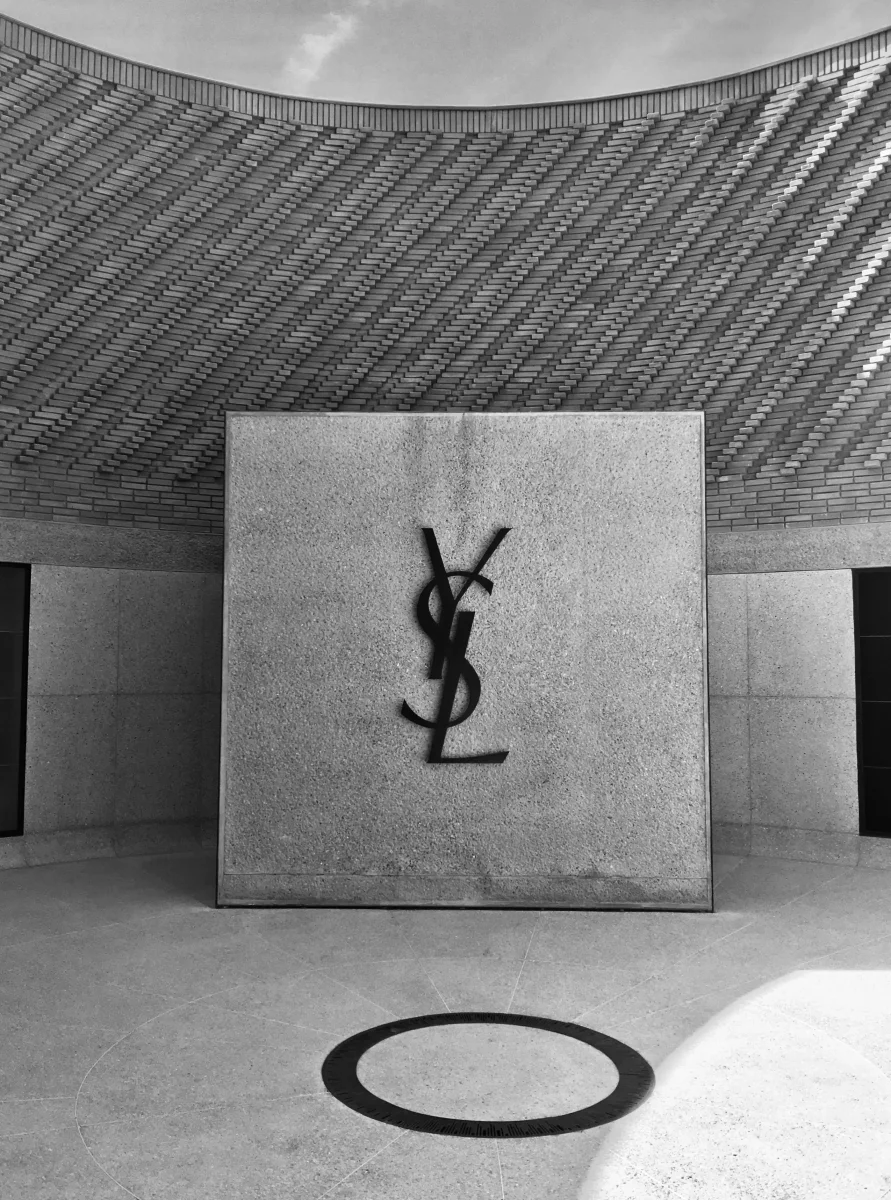
The Yves Saint Laurent Museum mainly hosts the 11th Continent screenings and several films associated with the tributes.
Located on Rue Yves Saint Laurent, near the Majorelle Garden, the museum offers a cultural setting different from traditional cinemas.
Evening sessions can finish late. It is therefore best to arrange your return in advance, particularly if you are staying in the medina or another part of Marrakech.
Address: Rue Yves Saint Laurent, Marrakech.
How do you get access to the festival?
Public access to the FIFM is based on a digital registration system. The festival offers an E-Pass and an E-Ticket depending on the type of participation you want.
It is important to distinguish between the two to avoid any surprises.
The Festival E-Pass
The E-Pass is intended for the general public and film professionals.
It lets you request access to screenings and talks for the duration of the festival, at the various venues.
To obtain this pass, you need to go through the official accreditation portal:
https://accreditations.festivalmarrakech.org/
The public path is open to people over 18. Registration must be approved by the organisers.
Once the request is accepted, the participant receives an email containing their E-Pass and an access code to install the Marrakech Festival app.
The pass is personal and non-transferable. It should therefore not be treated as a ticket that can be shared with someone else.
The E-Ticket
The E-Ticket is another option for people who want to attend a specific session.
It gives access to one screening or Conversation, without necessarily requesting an E-Pass for the whole festival.
This system can suit visitors who do not want to attend several events and who have already identified the sessions that interest them.
You should, however, check the availability and access conditions on the official platforms.
Is the festival free?
The screenings and talks open to the public are announced as free with registration, within the limit of available seats.
This does not mean that every visitor can enter any hall freely.
Some gala screenings or ceremonies give priority to invitations. E-Pass or E-Ticket holders may be admitted if seats remain, according to the conditions set for each event.
It is therefore advisable not to plan your programme around a single session without first checking its access arrangements.
Access conditions to know
Before heading to the festival, a few rules should be taken into account:
- The E-Pass is reserved for people over 18, except with a waiver granted by the organisers.
- The pass is personal and cannot be passed on to anyone else.
- Appropriate dress is required.
- ID or a badge may be requested.
- Backpacks, food and drink are not allowed in the halls.
- Photos and videos are prohibited during screenings.
- Animals are not admitted to the halls.
- The halls are cleared after each session.
Respecting these rules makes the screenings easier to organise and allows spectators to enjoy the sessions in good conditions.
In which languages are the films presented?
The Marrakech Festival hosts films from different parts of the world. The original languages therefore vary from one work to another.
Subtitles are an essential thing to check before choosing a session, especially for visitors who do not master all the languages used in the programme.
For the official competition, the galas and the Horizons section, the films are shown with subtitles in Arabic, English and French where necessary.
The 11th Continent and Moroccan Cinema Panorama films may be offered with English and/or French subtitles depending on the session.
The programme uses several codes to indicate the languages:
- VOara: original version in Arabic.
- VOeng: original version in English.
- VOfr: original version in French.
- VO: original version in another language.
- STara.eng.fr: subtitles in Arabic, English and French.
A quick check before setting out helps you avoid choosing a session whose subtitles do not match your needs.
How do you move between the festival venues?
The FIFM venues are spread between Hivernage, Guéliz and the Majorelle Garden area.
The Palais des Congrès and the Théâtre Meydene are in the Hivernage and Avenue de la Ménara area. Le Colisée is in Guéliz, while the Yves Saint Laurent Museum is near the Majorelle Garden.
To plan your journeys, it is best to take the exact location of the halls into account rather than automatically assuming a walk between two sessions.
From Marrakech-Ménara Airport
Marrakech-Ménara Airport is close to the city's main tourist districts.
To reach the Palais des Congrès or accommodation in Hivernage, visitors can use a taxi, a private transfer or a pre-booked transport service.
It is advisable to confirm the price and the drop-off point before departure.
For those arriving with luggage, a direct transfer to the hotel or riad may be more convenient than changing transport.
From the medina
Visitors staying in the medina should take into account the traffic restrictions in certain streets and pedestrian areas.
A taxi can drop travellers near an accessible point, but it is not always possible to reach the door of a riad directly.
It is best to ask your accommodation for the most convenient drop-off point, particularly in the evening after a screening.
Between the Palais des Congrès and Le Colisée
The Palais des Congrès is in the Hivernage district, while Le Colisée is in Guéliz.
To move from one to the other, a taxi is a practical solution, particularly when times are close together.
Visitors who prefer to walk should take into account the distance, the traffic and the time needed to reach the hall entrance.
Between Le Colisée and the Yves Saint Laurent Museum
Le Colisée and the Yves Saint Laurent Museum are in different parts of Marrakech.
It is best to plan a taxi journey when sessions follow one another, especially in the evening.
Screenings at the Yves Saint Laurent Museum can finish late. Anticipating the return to your hotel or riad lets you enjoy the session without having to look for transport at the last minute.
Where to stay during the Marrakech International Film Festival?
The choice of accommodation can have a significant influence on the organisation of your stay.
Visitors coming mainly for the festival have an interest in choosing a district that makes it easier to reach the screening venues.
Hivernage: convenient for the Palais des Congrès
Hivernage is an appealing choice for people who want to attend the ceremonies, the competition sessions and the gala screenings.
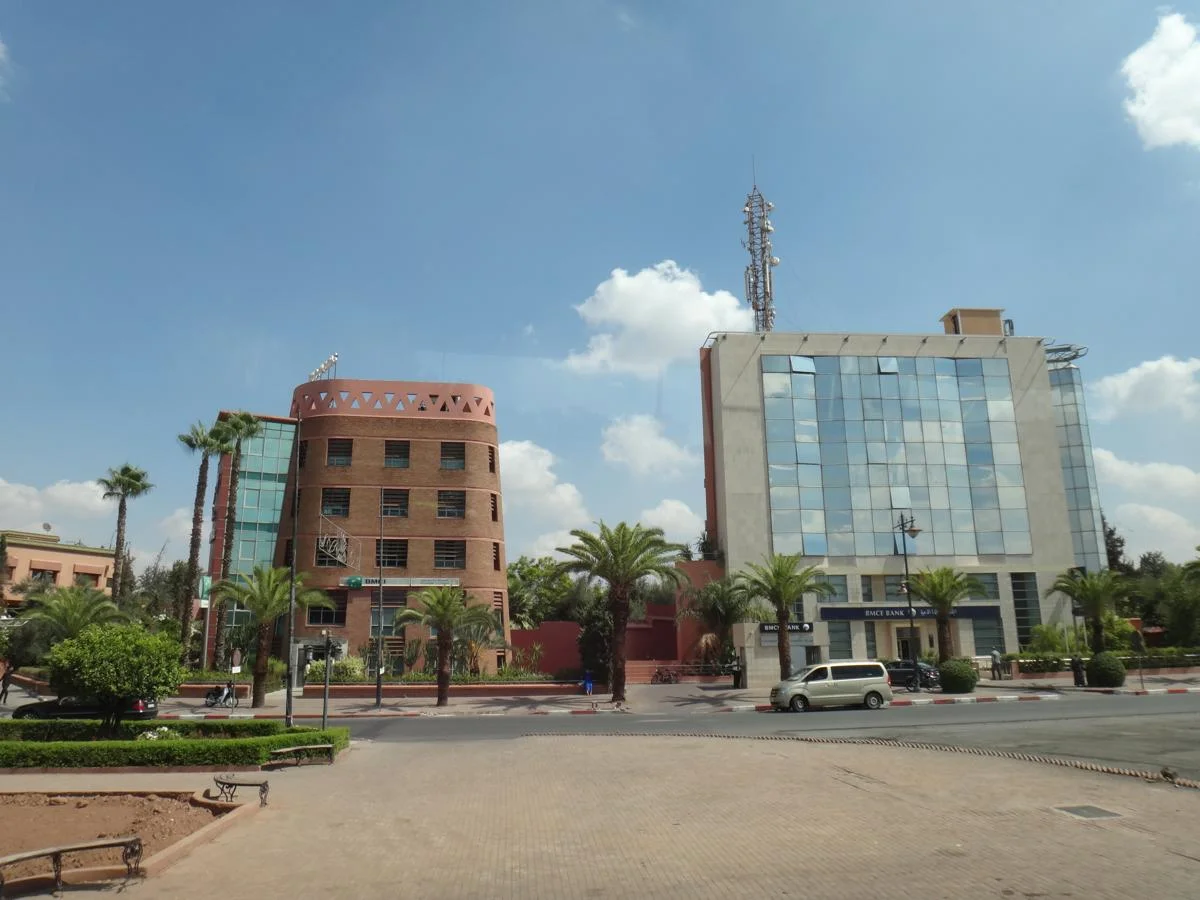
The district has several hotels and tourist establishments. It allows easy access to the Palais des Congrès and offers restaurants and places to go out.
It may suit visitors who value comfort and proximity to the festival's main site.
Guéliz: a central, lively district
Guéliz is another option for visitors.
The district has many hotels, restaurants, cafés and shops. It also provides access to Cinéma Le Colisée and several other parts of Marrakech.
For people who want to combine the festival with outings in town, Guéliz is a practical option.
The medina: to discover the historic atmosphere of Marrakech
Staying in the medina lets you discover another side of Marrakech.
Riads offer a different experience from modern hotels, with inner courtyards, traditional architecture and proximity to the souks and historic monuments.
Journeys to the festival venues can require more organisation, however, particularly in the evening.
You also need to take into account the pedestrian access and the taxi drop-off points.
Booking your accommodation in advance
The FIFM attracts visitors, professionals and film personalities. It is therefore best to book your accommodation early enough when your stay is built around the festival.
The choice should take several criteria into account: proximity to the venues, budget, transport options, comfort and the length of stay.
Well-located accommodation helps limit travel and lets you make the most of the screenings.
How do you organise your day during the festival?
With several sessions a day and different screening venues, good organisation can make the difference.
There is no need to try to attend as many films as possible. It is often more rewarding to build a balanced programme according to your tastes and the time available.
For official competition enthusiasts
Film lovers who want to follow the race for the Golden Star can prioritise the Salle des Ministres sessions.
The competition films are first shown in this hall, then screened again at Le Colisée the following day.
This arrangement offers an extra opportunity for people who cannot attend the first screening.
For lovers of Moroccan cinema
The Moroccan Cinema Panorama is the strand to prioritise.
The six films are programmed in the Salle des Ambassadeurs, and the sessions may be accompanied by discussions with the teams.
To go deeper into the stories, directors and themes, it is also worth reading our article on Moroccan cinema at the FIFM 2026.
For visitors who want to meet artists
The Conversations at the Théâtre Meydene are especially suited to this.
They allow you to discover the experiences of directors, actors and screenwriters without necessarily attending a screening.
You should nonetheless plan to arrive early and check the access arrangements.
For visitors with only one day
It is best to choose two or three events at most.
For example, a morning screening, a talk or another session in the afternoon, and perhaps a film in the evening.
Avoid scheduling two events in distant venues with only a few minutes between them.
The festival is a cultural experience to savour between sessions too. Taking the time to have lunch, explore a district or chat about a film is part of the pleasure.
What to discover in Marrakech between two screenings?
The international film festival is also an opportunity to discover Marrakech beyond the cinemas.
The city has important historical and cultural heritage, with monuments, museums, gardens, souks and districts that bear witness to several centuries of history.
Visitors with a few free hours can plan a walk according to their location and the time available.
The medina and its historic alleys
The medina of Marrakech is one of the most interesting areas to discover between two screenings.
Its alleys, squares, souks and monuments bear witness to the city's history and its role in the commercial and cultural exchanges of Morocco.
A walk through the medina lets you discover traditional trades, artisans' workshops and the architecture of the old houses.
Jemaa el-Fna square
Jemaa el-Fna square is one of the emblematic places of Marrakech.
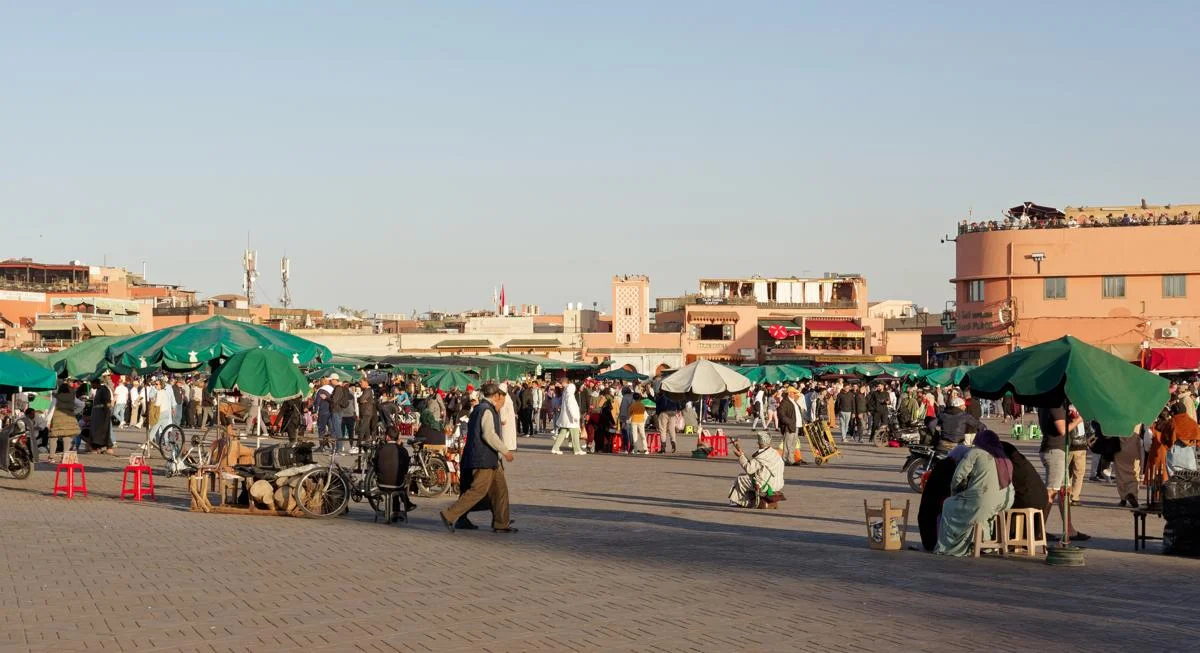
It is a meeting point between residents, visitors, street performers, traders and food vendors.
At the end of the day, its atmosphere changes with the arrival of food stalls and popular entertainment.
It is an interesting stop for visitors who want to experience a living dimension of Marrakech's intangible heritage.
The historic monuments
Visitors interested in history can also devote part of their stay to the city's monuments.
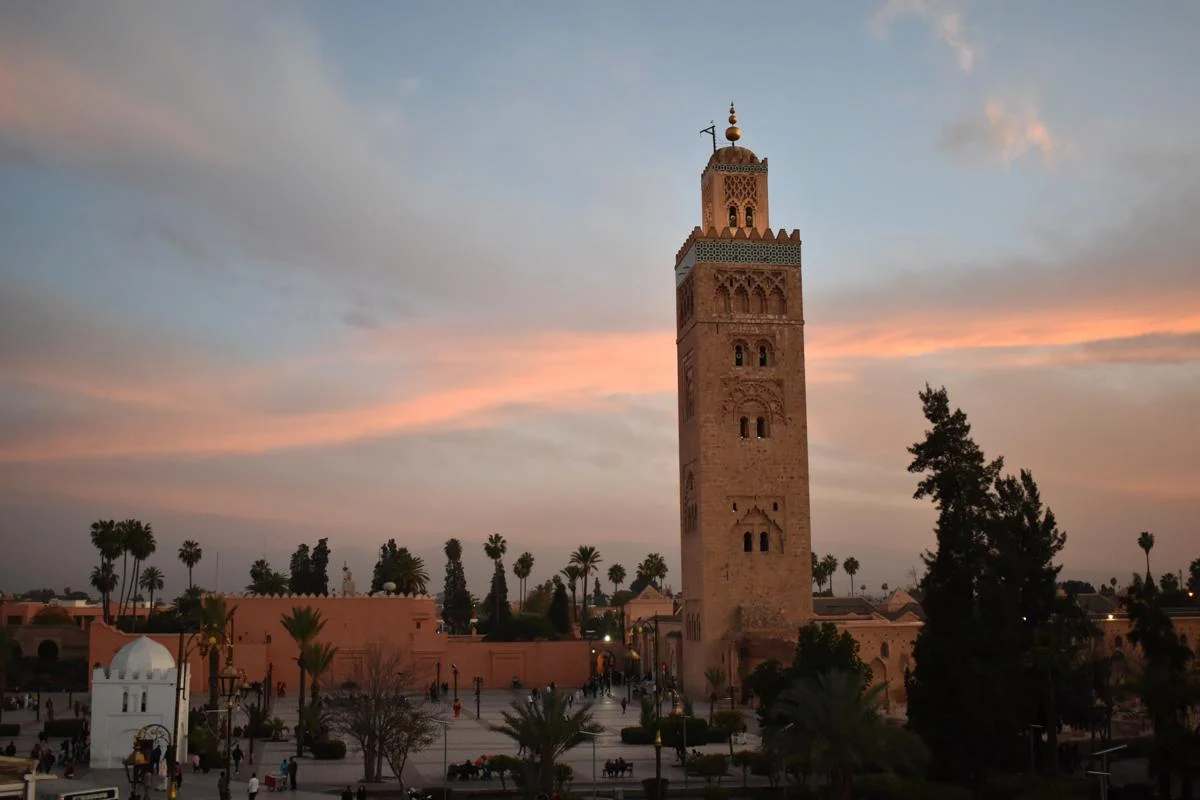
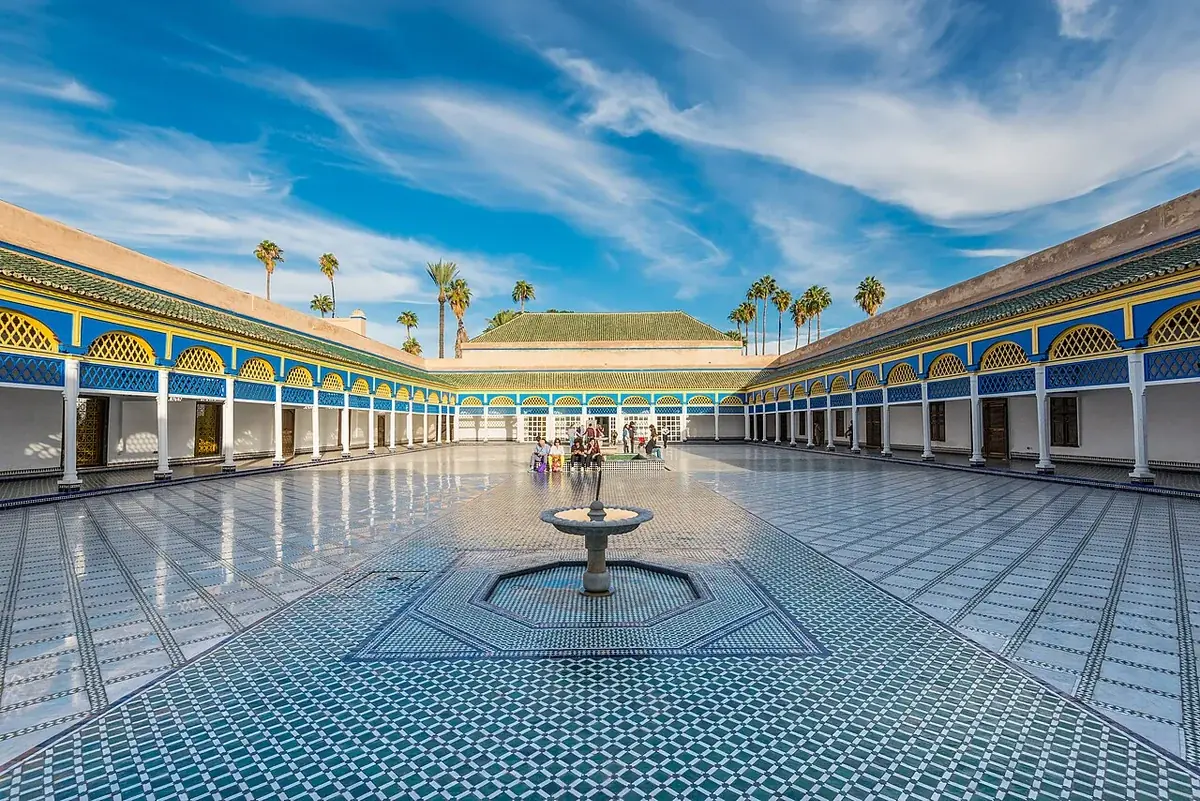
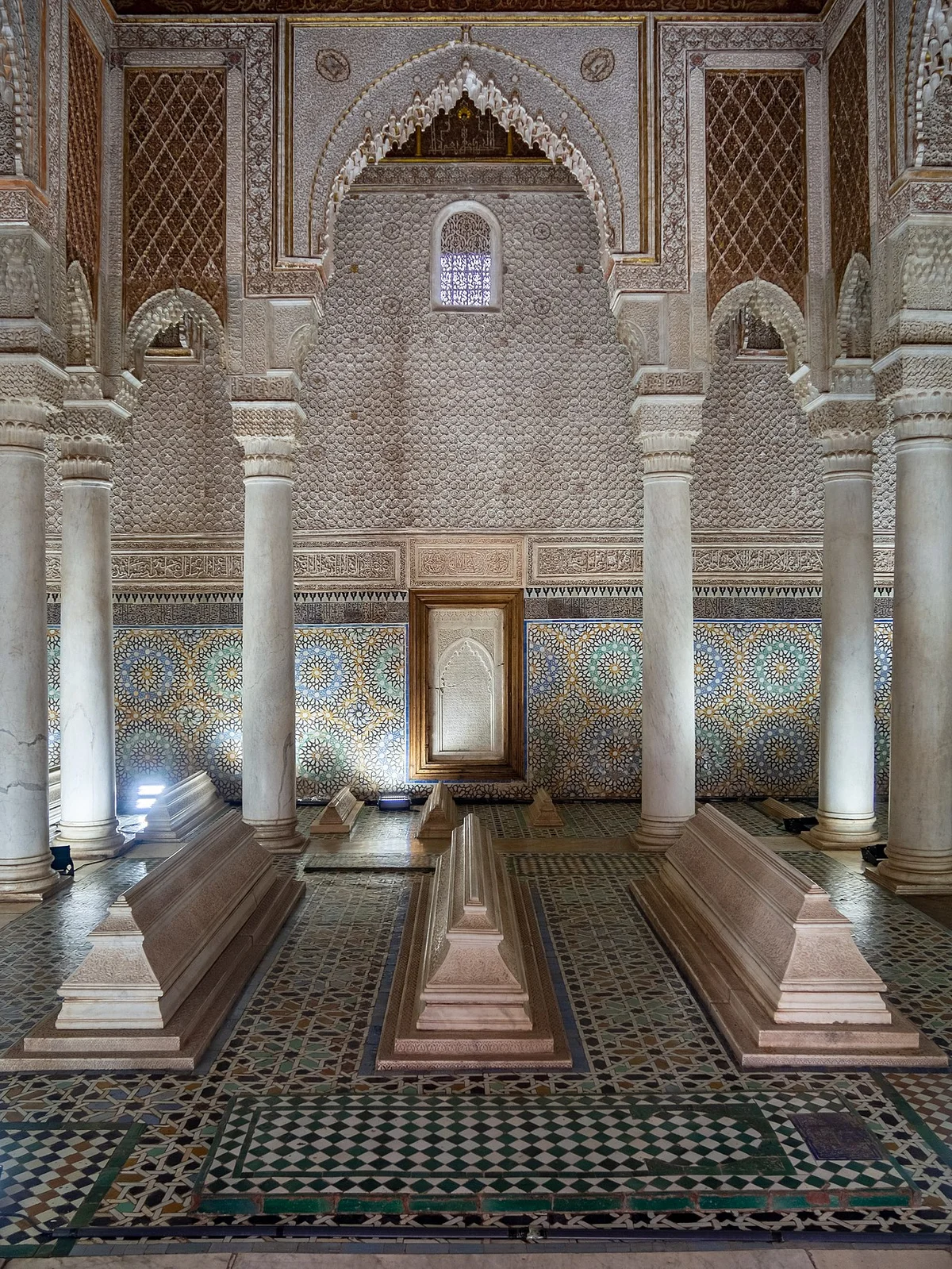
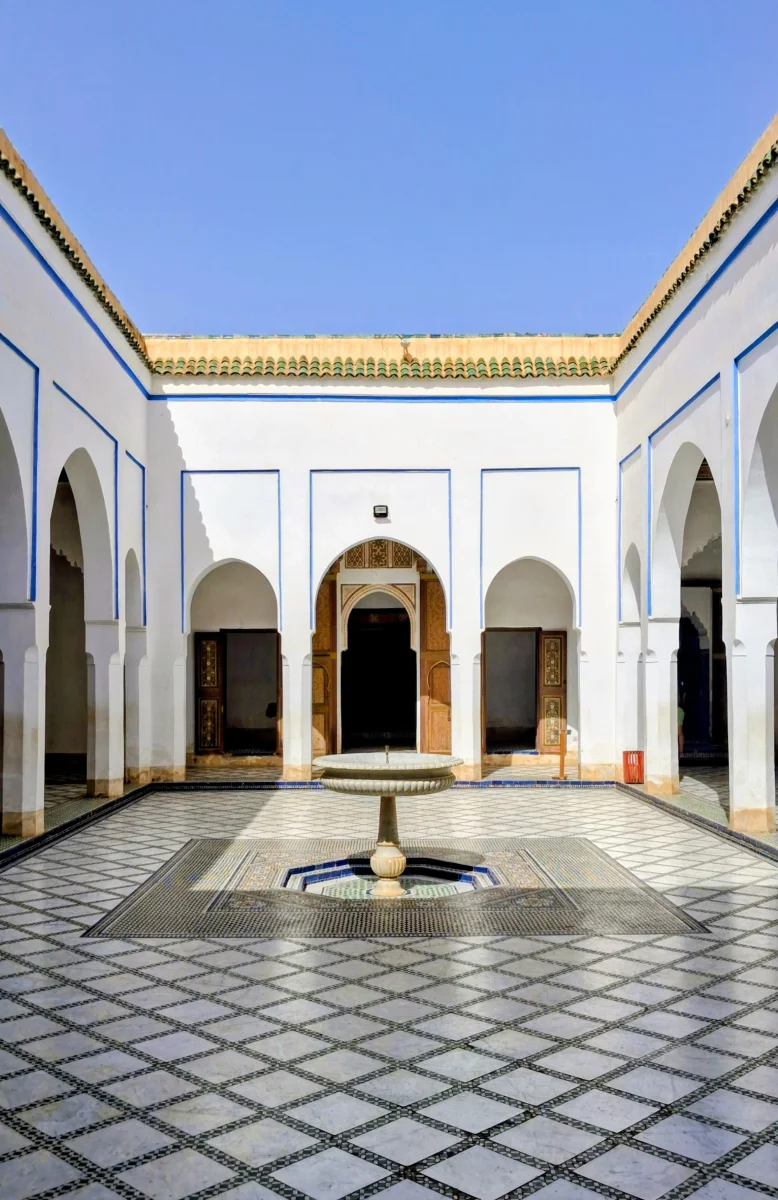
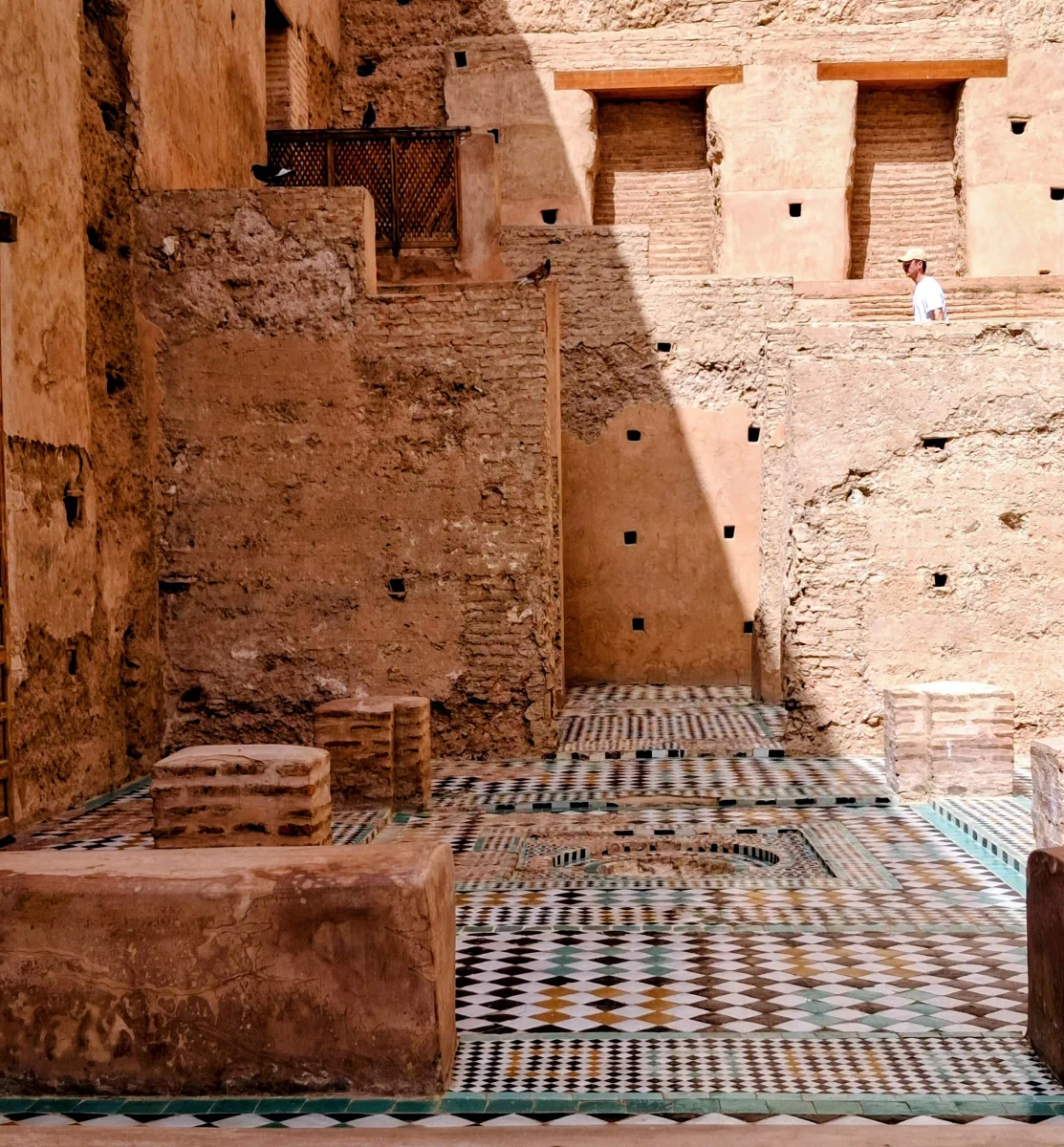
The Saadian Tombs, the Bahia Palace, the El Badi Palace and the Ben Youssef Madrasa offer a look at different periods of Marrakech's history.
These visits can be organised around the festival schedule and the distances between the sites.
The gardens and museums
Marrakech also has several gardens and cultural institutions.
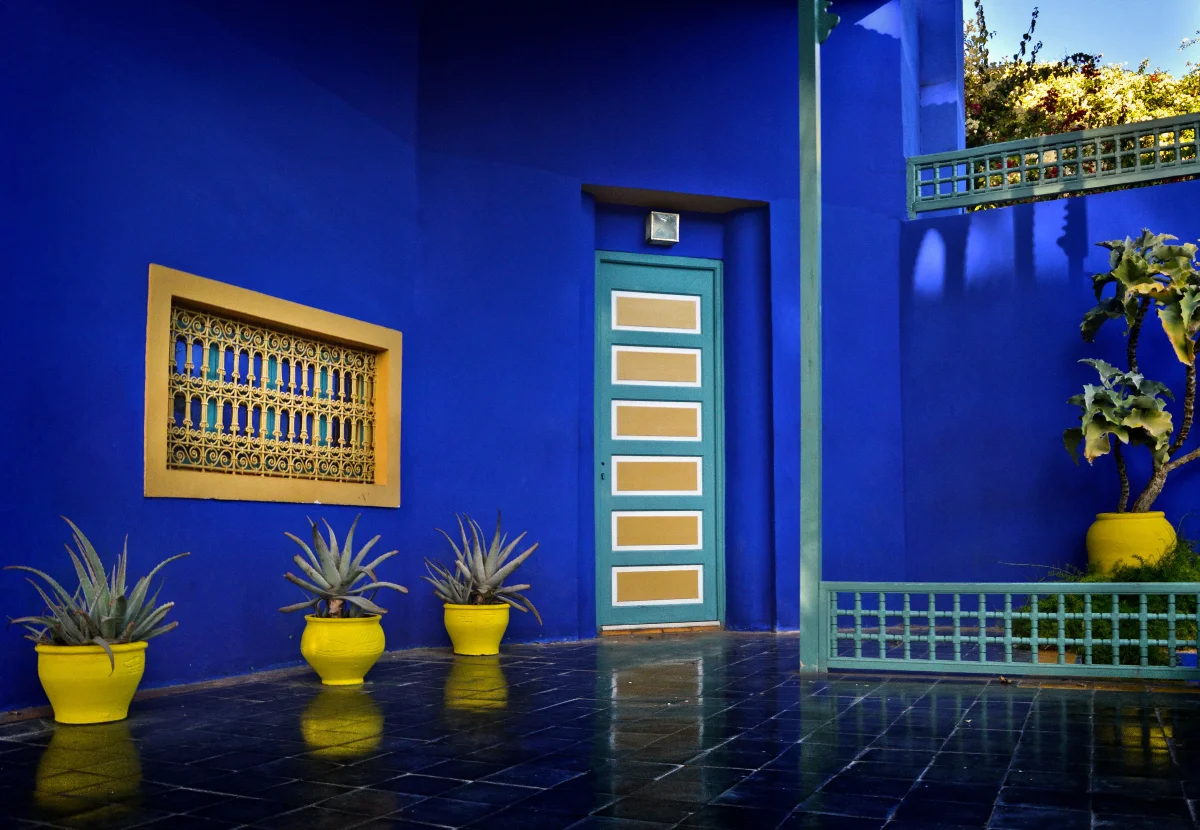
The Majorelle Garden and the Yves Saint Laurent Museum are two important places in the city's cultural landscape.
The Yves Saint Laurent Museum in fact hosts some festival screenings, which lets visitors discover a cultural venue tied to the history of artistic creation.
It is advisable, however, to check the opening hours and access conditions of the tourist sites before visiting.
Practical tips to enjoy the FIFM 2026
A few simple precautions help you make the most of the festival.
1. Plan your programme before setting out
Consult the official programme and identify the sessions that interest you. Note the venue, the time and the access conditions.
2. Check your E-Pass or E-Ticket
Make sure your registration has been approved and that your access is available on your phone. Keep the confirmation email too.
3. Arrive early
Highly anticipated sessions can attract many spectators. Arriving early helps you manage the checks and the access queues.
4. Check the languages and subtitles
The programme specifies the languages of the films and the subtitles available. Take a few seconds to check this before choosing a session.
5. Plan your journeys
Do not underestimate the time needed to reach another hall. A journey between Hivernage, Guéliz and the Majorelle Garden area can require particular organisation.
6. Plan your return after late sessions
Some evening screenings finish after 10 p.m. If you are staying in the medina or far from the festival venues, arrange your return in advance.
7. Respect the hall rules
Backpacks, drinks, food and cameras or video devices are subject to the restrictions set by the organisers. Also follow the staff's instructions.
8. Keep some flexibility
The programme may change at the last minute. Check the festival's announcements and the information displayed at the venues before setting out.
Where to consult the official programme and registration information?
To avoid schedule errors, out-of-date information and announcements from unofficial sources, it is best to consult the Marrakech International Film Festival's own platforms directly.
Here are the main useful links:
- Official festival website: https://marrakech-festival.com/
- Programme and sessions: https://www.marrakechtourism.com/fr/events/marrakech-international-film-festival/programme
- Registration and E-Pass: https://accreditations.festivalmarrakech.org/
- Official press releases: https://marrakech-festival.com/communiques-de-presse/
The detailed programme lets you find the sessions by day, by venue and by section. It is advisable to check it regularly, as changes may occur during the event.
The FIFM 2026, an invitation to discover Marrakech through cinema
For nine days, the Marrakech International Film Festival offers far more than a succession of screenings. It gives audiences the chance to discover different cinemas, to meet artists and to follow the evolution of the seventh art.
The official competition offers a look at new directors. The parallel sections broaden cinematic horizons. The tributes recall the importance of artistic careers, while the Conversations give space to the words and experience of professionals.
For visitors, the festival is also a fine opportunity to discover Marrakech from a cultural angle. Between two sessions, the city offers historical heritage, museums, gardens, souks and a daily life that deserve to be explored.
Whether you are a dedicated film lover, a Marrakech resident or a passing traveller, the key is to plan your programme, check the access arrangements and keep some time to enjoy the city.
The Marrakech International Film Festival 2026 thus takes its place as a meeting between world cinema and the cultural identity of the Red City.
Also read
- Full FIFM 2026 programme: films, screenings and schedules
- How to get your tickets: E-Pass and E-Ticket
- Where the festival takes place: the four venues
- Jury, tributes and personalities of the FIFM 2026
- Moroccan cinema at the Marrakech Film Festival 2026
Sources and references
The practical information and the calendar in this article are based on the 2026 programme and the access information published by the festival organisers, as well as on the Marrakech Tourism visitor guide.
- Marrakech International Film Festival – Official website: https://marrakech-festival.com/
- Official accreditation portal – E-Pass, E-Ticket and access conditions: https://accreditations.festivalmarrakech.org/
- Marrakech Tourism – Marrakech International Film Festival 2026 programme: https://www.marrakechtourism.com/fr/events/marrakech-international-film-festival/programme
- Marrakech Tourism – Visitor guide, dates and access: https://www.marrakechtourism.com/fr/events/marrakech-international-film-festival
- Marrakech International Film Festival – Press releases: https://marrakech-festival.com/communiques-de-presse/