Essaouira, between medina, ocean and Moroccan culture
On Morocco's Atlantic coast, Essaouira is a destination of its own. Formerly known as Mogador, the city charms visitors with its fortified medina, its ramparts, its fishing port, its white and blue houses and the atmosphere created by the Atlantic winds.
A UNESCO World Heritage Site since 2001, the medina of Essaouira preserves 18th-century fortified architecture, with its ramparts, monumental gates and its two main fortifications: the Skala de la Kasbah and the Skala du Port.
But Essaouira is not only about heritage. The city is also known for its beaches, surfing, kitesurfing, windsurfing, Gnaoua music, crafts, argan products and a cuisine based notably on seafood.
Discovering the medina of Essaouira
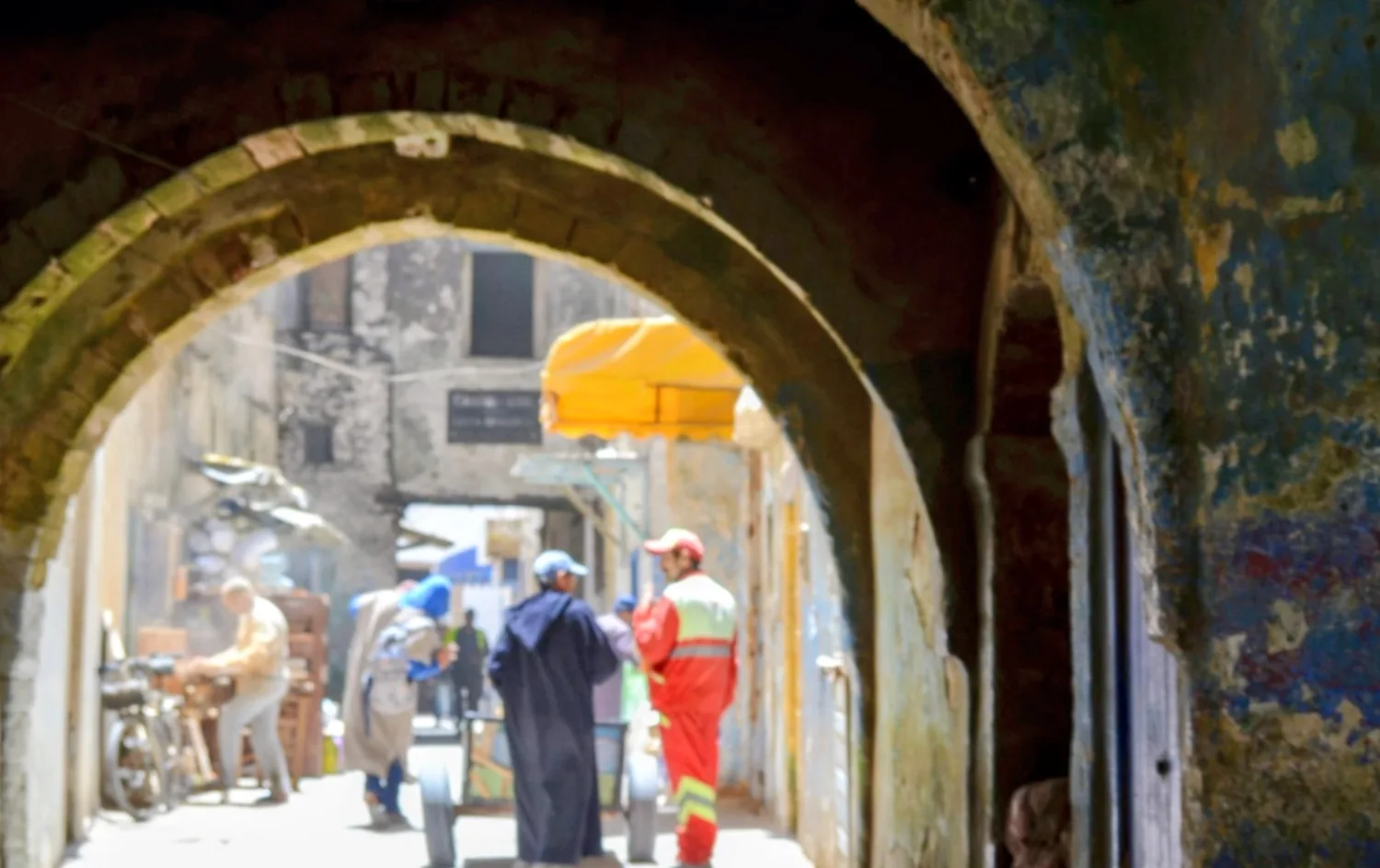
The medina is the historic heart of the city. Its lanes, relatively easy to walk, reveal traditional houses, small shops, craftsmen's workshops, galleries and several historic monuments.
Unlike some more complex Moroccan medinas, Essaouira is particularly pleasant to explore on foot.
The Skala de la Kasbah
The Skala de la Kasbah is one of the most emblematic places in Essaouira. This former defensive platform overlooks the ocean and offers magnificent views of the ramparts, the medina and the surroundings.
The cannons lined up along the fortifications recall the strategic role the city played in its history.
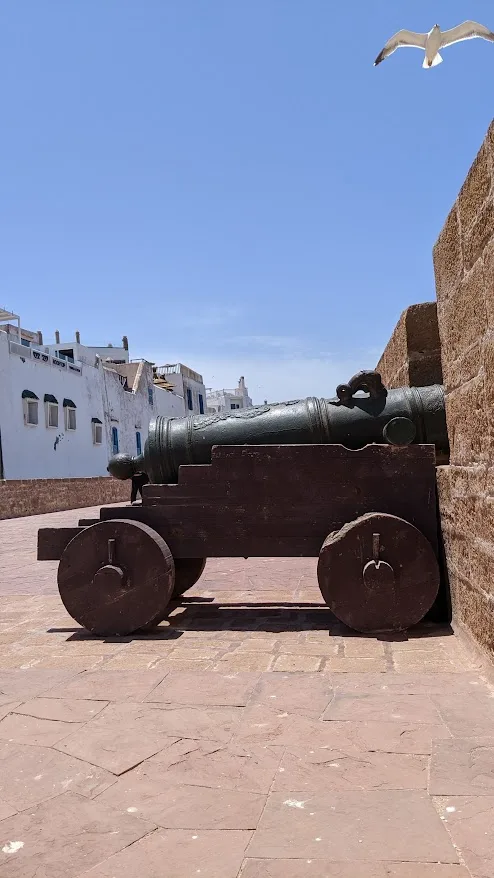
→ Discover the Skala and the monuments of Essaouira
The Skala du Port
Near the port, the Skala du Port is another important part of the city's defensive system. It lets you see the fishing port and the ramparts from a different angle.
A walk between the medina, the Marine Gate and the port brings together several of Essaouira's main sites in a single itinerary.
The fishing port
The port is part of Essaouira's identity. From early morning, the activity of the fishermen gives the district a special atmosphere. It is also a well-known place to discover local fish and seafood.
The Moroccan National Tourist Office recommends the port and the fish market among the essential discoveries in Essaouira.
The fish market
For food lovers, the fish market is an interesting stop. You discover the local catch before continuing to the small restaurants and stalls that offer different preparations.
To go further, a Moroccan cooking workshop in Essaouira lets you explore local cuisine.
The Mellah district
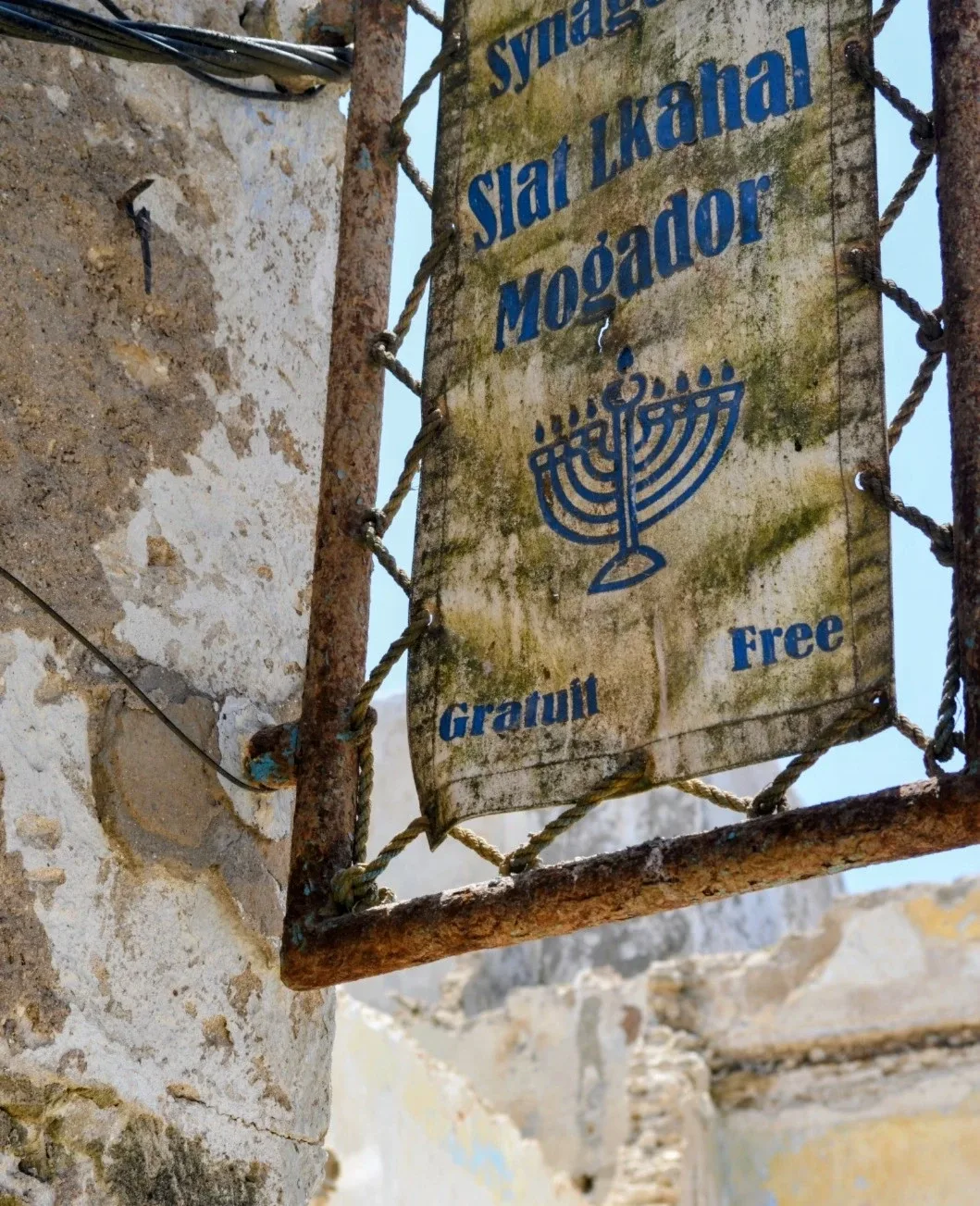
The Mellah recalls the multicultural history of Essaouira. Walking through this district, you discover another part of the city's history and of its former Jewish population, notably with the Haim Pinto synagogue and the House of Memory (Bayt Al Dakira).
Galleries and crafts
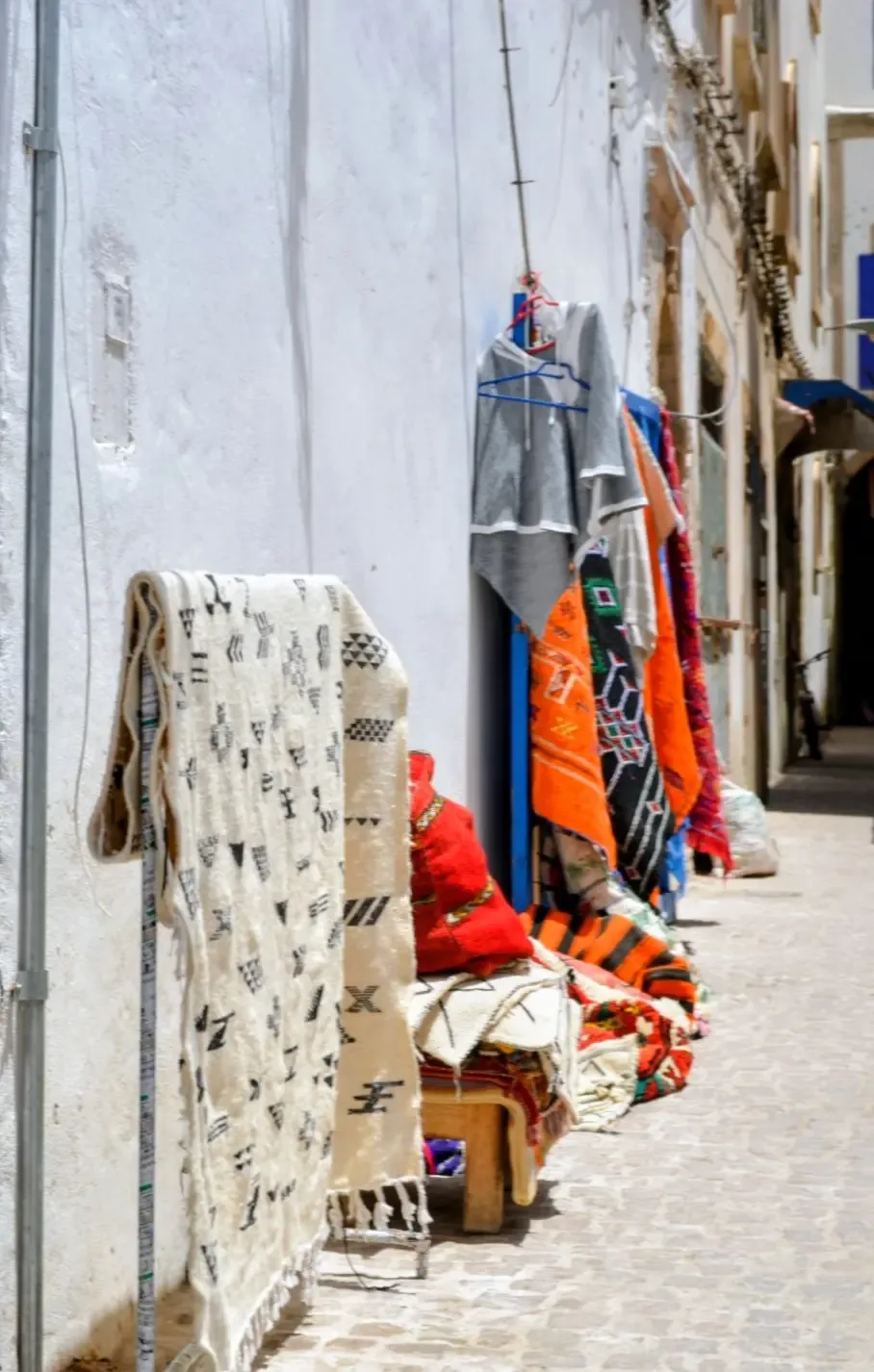
Essaouira also has an important artistic tradition. The lanes of the medina house galleries, workshops and shops devoted notably to Moroccan crafts.
Thuya wood holds an important place in local craftsmanship. You can also find decorative objects, jewellery, textiles, musical instruments and other handmade creations.
The beach of Essaouira
The big beach lies immediately south of the medina. It lets you combine walks, relaxation and water activities. The steady winds explain Essaouira's reputation among surfers, windsurfers and kitesurfers.
Surfing, kitesurfing and windsurfing
Essaouira is one of the Moroccan destinations known for board sports. The wind and the Atlantic conditions allow several disciplines. Beginners can also find schools and lessons depending on the season.
→ Discover the surf lessons and the kitesurf lessons available on MoroccoMuseum
Find all the activities outside the medina in our guide Essaouira: beach, surf, argan forest and excursions.
Gnaoua culture
Music holds an important place in Essaouira's identity. The city hosts the Gnaoua and World Music Festival, which contributes to its international reputation.
But Gnaoua music is not limited to the festival: it is part of the city's cultural heritage and of the history of its communities.
Around Essaouira
Once you have discovered the medina, several excursions let you explore the surroundings. Possibilities include:
- Diabat;
- Sidi Kaouki;
- the beaches along the coast;
- the argan forest landscapes;
- argan oil cooperatives;
- the surrounding villages;
- water and horse-riding activities, such as a sunset horse ride.
How many days should you plan in Essaouira?
1 day
Medina → Skala → port → fish market → beach.2 days
Add a deeper visit of the heritage, the galleries, the crafts and an activity on the coast.3 days
Add an excursion to Diabat, Sidi Kaouki or the argan forest.4 days or more
You can take more time for water activities and explore several places around Essaouira.
To organise your programme, also read our guide What to visit in Essaouira? 15 must-see places and experiences and our article Discover Essaouira.
How do you get to Essaouira?
Essaouira is particularly accessible from Marrakech. CTM currently runs a Marrakech–Essaouira service; its official page shows a distance of about 191 km and several daily departures, with fares that vary by date and service.
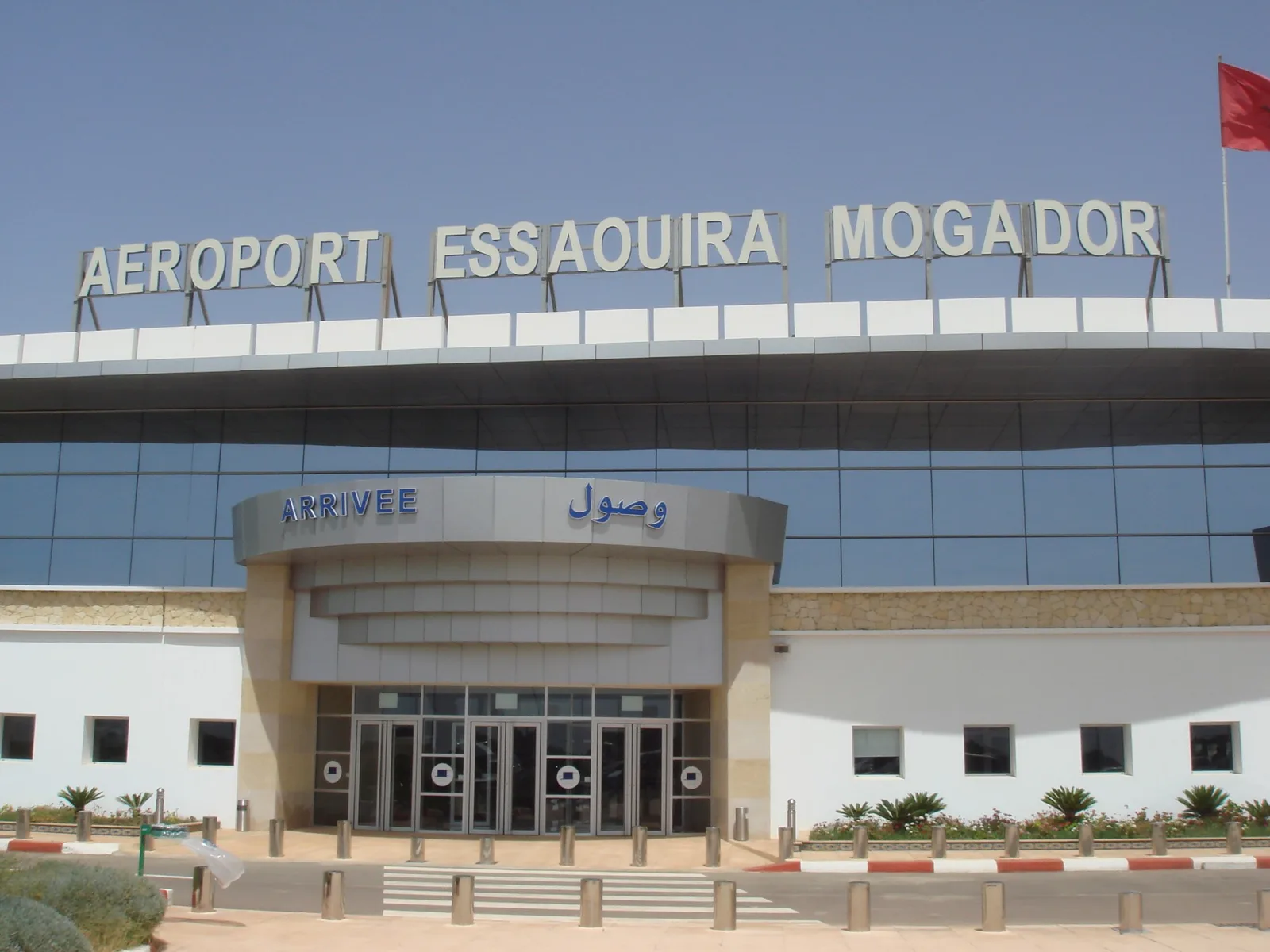
The city also has Essaouira-Mogador airport, about 16 km from the centre. ONDA notes international connections with London, Marseille and Paris in its presentation of the airport.
For all the details:
→ How to get to Essaouira: transport, plane, bus, car and budget
Where should you stay in Essaouira?
The main options are:
- a riad in the medina;
- a guesthouse;
- a hotel near the beach;
- a modern establishment outside the medina;
- accommodation around Diabat.
For a first cultural discovery, staying in or near the medina keeps you close to the main sites. For a stay focused more on the beach and relaxation, the seafront area can be more practical.
Essaouira: a different destination
Essaouira brings together several very different experiences in one city: heritage + ocean + food + crafts + music + water sports.
It is this combination that makes it an interesting destination both for a short stay and for a longer stop in a trip to Morocco. To include it in a wider itinerary, see our guide what to visit in Morocco.