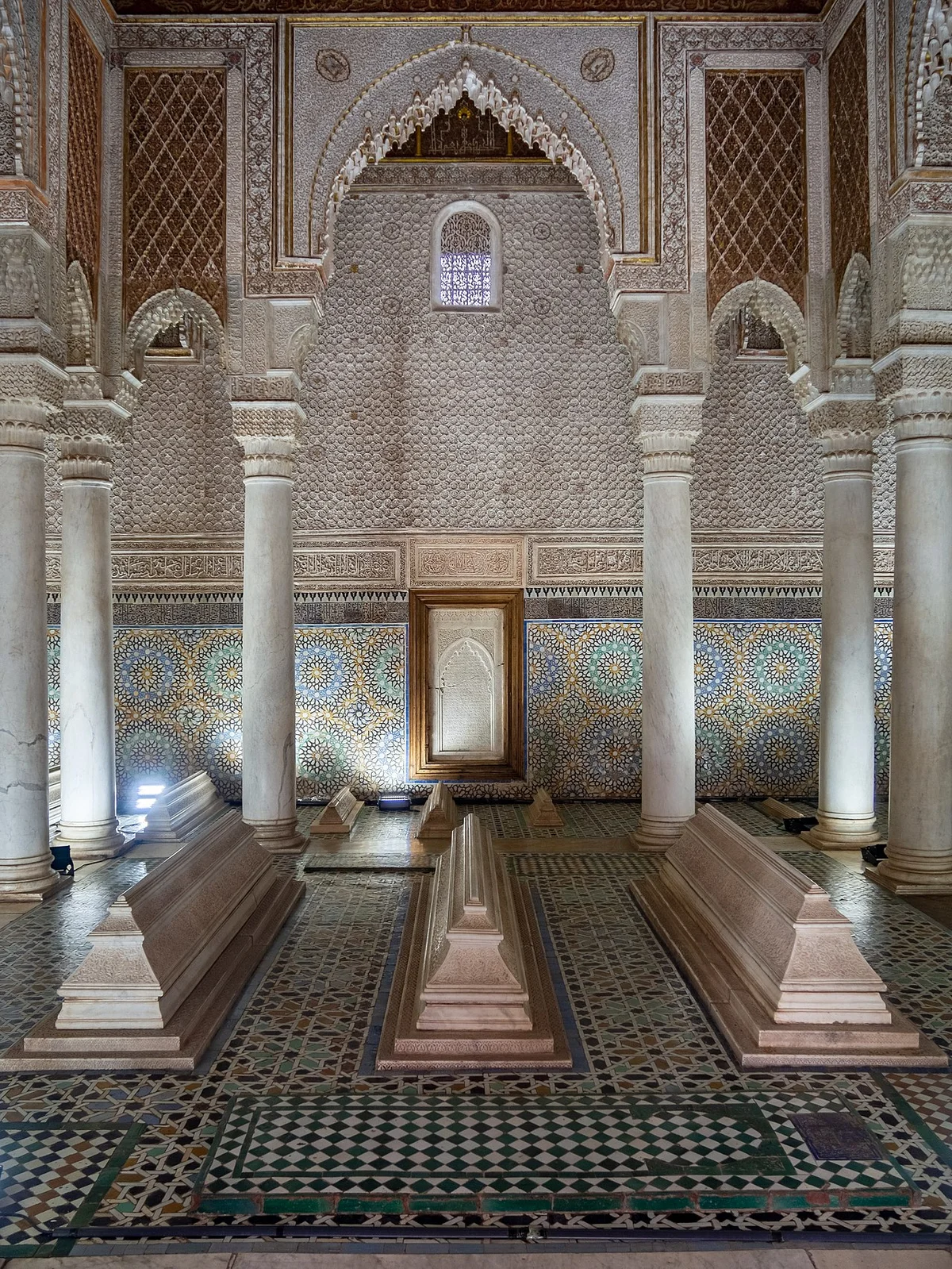
Moroccan Heritage: Guide to Monuments, Historic Cities, Museums and UNESCO Sites
Discover More Than Two Thousand Years of History in Morocco
Travelling through Morocco means exploring centuries of history within just a few hundred kilometres.
From the ancient cities of Volubilis and Lixus to the imperial medinas of Fez, Marrakech, Meknes and Rabat, from the historic ports of Tangier and Essaouira to the kasbahs and ksour of southern Morocco, each region reveals a different facet of Moroccan heritage.
Over the centuries, the territory has been shaped by Amazigh populations, Mediterranean exchanges, major Moroccan dynasties and relations with sub-Saharan Africa, Al-Andalus and Europe.
This heritage is still visible today in palaces, madrasas, mosques, fortifications, historic gardens, museums, archaeological sites, fortified villages and traditional crafts that continue to bring cities and rural areas to life.
Morocco has four imperial cities — Marrakech, Fez, Meknes and Rabat — and nine cultural properties inscribed on the UNESCO World Heritage List.
But how should you organise a trip focused on Moroccan heritage? Which monuments should you visit first? Which cities are best for a first stay? And how can you combine medinas, museums, archaeological sites and kasbahs in a single itinerary?
This MoroccoMuseum guide was designed as a starting point for exploring Morocco's heritage.
You will discover:
- the Kingdom's main historic cities;
- important monuments and museums;
- major archaeological sites;
- the kasbahs and ksour of southern Morocco;
- Moroccan sites inscribed on the UNESCO World Heritage List;
- several itinerary ideas depending on the length of your trip;
- links to our detailed guides to help you prepare each visit.
Welcome to the heart of Moroccan heritage.
Morocco, a Land of Heritage and Civilisations
Moroccan heritage is the result of a long history deeply connected to the country's geography.
Long before the foundation of the great imperial cities, Morocco's plains, mountains, valleys and coastal regions were already home to communities whose traces can still be observed today.
Over the centuries, Amazigh populations, Mediterranean exchanges, the Idrisid, Almoravid, Almohad, Marinid, Saadian and Alaouite dynasties, as well as relations with sub-Saharan Africa, Al-Andalus and Europe, all contributed to shaping a remarkably diverse heritage.
This diversity explains why each region has its own identity.
The imperial cities reflect the power of Moroccan rulers and the evolution of the Kingdom's major dynasties.
The historic medinas tell the story of trade, urban life and traditional craftsmanship.
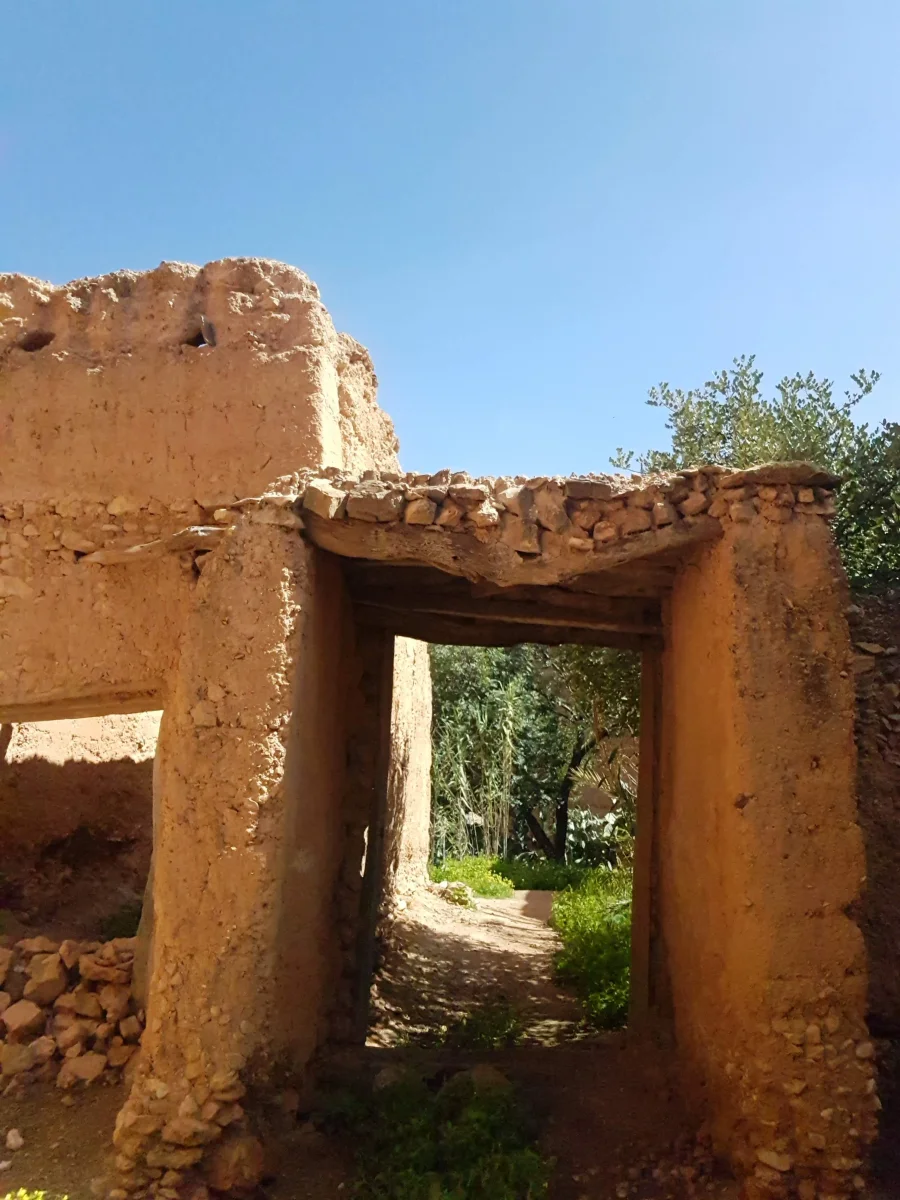
The kasbahs and ksour of the South illustrate architectural techniques adapted to pre-Saharan regions.
The archaeological sites, meanwhile, allow visitors to travel back to Antiquity and, in some areas, even earlier periods.
Discovering Moroccan heritage also means understanding that monuments are never completely isolated from their surroundings.
A palace becomes more meaningful when placed within the history of the city in which it was built.
A madrasa helps explain the importance of knowledge and education.
A kasbah tells the story of trade routes, territorial organisation and ways of life from another era.
A historic garden reflects the mastery of water and the search for harmony between architecture and nature.
This is the broader perspective MoroccoMuseum offers: discover Morocco through the places that tell its history.
How to Explore Moroccan Heritage
Morocco's heritage is vast enough to justify several journeys.
Depending on your interests, you can organise your stay in different ways.
Explore Morocco by Destination
For a first discovery, the simplest approach is to choose one or several historic cities.
Among the country's main cultural destinations:
- Marrakech, for its palaces, madrasas, tombs and gardens;
- Fez, for its medina, madrasas and artisan heritage;
- Meknes, for its imperial heritage and proximity to Volubilis;
- Rabat, where historic heritage meets 20th-century architecture;
- Tangier, between the Mediterranean and Atlantic;
- Essaouira, for its maritime heritage and fortified medina;
- Tetouan, deeply influenced by historical exchanges with Al-Andalus;
- Chefchaouen, in the Rif Mountains;
- Ouarzazate, gateway to the kasbahs and ksour of southern Morocco;
- Larache, particularly for the archaeological site of Lixus;
- Sale, the historic city facing Rabat.
Explore Morocco by Type of Heritage
You can also organise your journey according to the monuments and heritage sites that interest you most.
Historic palaces
Residences of rulers and senior dignitaries that offer an introduction to Moroccan palatial architecture.
Madrasas
Former educational institutions where intellectual history, architecture and decorative arts come together.
Museums
Collections dedicated to Moroccan history, archaeology, arts, crafts and cultural heritage.
Kasbahs and ksour
Fortresses, residences and fortified villages particularly associated with southern Morocco.
Archaeological sites
Remains that help visitors understand the ancient history of the territory and its connections with the Mediterranean world.
Historic gardens
Spaces where water, vegetation and architecture form a heritage ensemble in their own right.
Medinas
Historic urban centres where monuments, souks, homes, funduqs and artisan workshops continue to coexist.
UNESCO sites
Morocco currently has nine cultural properties inscribed on the World Heritage List.
Marrakech: Palaces, Madrasas and the Heritage of the Red City
Founded by the Almoravids in 1070–1072, Marrakech is one of Morocco's four imperial cities.
The city later became a major capital under the Almohads and retained considerable political, economic and cultural influence for centuries across the western Islamic world.
Its medina has been inscribed on the UNESCO World Heritage List since 1985.
Today, Marrakech offers visitors the opportunity to explore nearly a thousand years of history through its palaces, mosques, madrasas, tombs, gardens, ramparts and historic residences.
But its heritage is not limited to monuments.
Souks, funduqs, artisan workshops and historic neighbourhoods also contribute to the living character of the medina.
Bahia Palace
Bahia Palace is one of Marrakech's major monuments.
Built and expanded mainly during the second half of the 19th century, it offers an excellent introduction to Moroccan palatial architecture through a succession of courtyards, reception rooms and gardens.
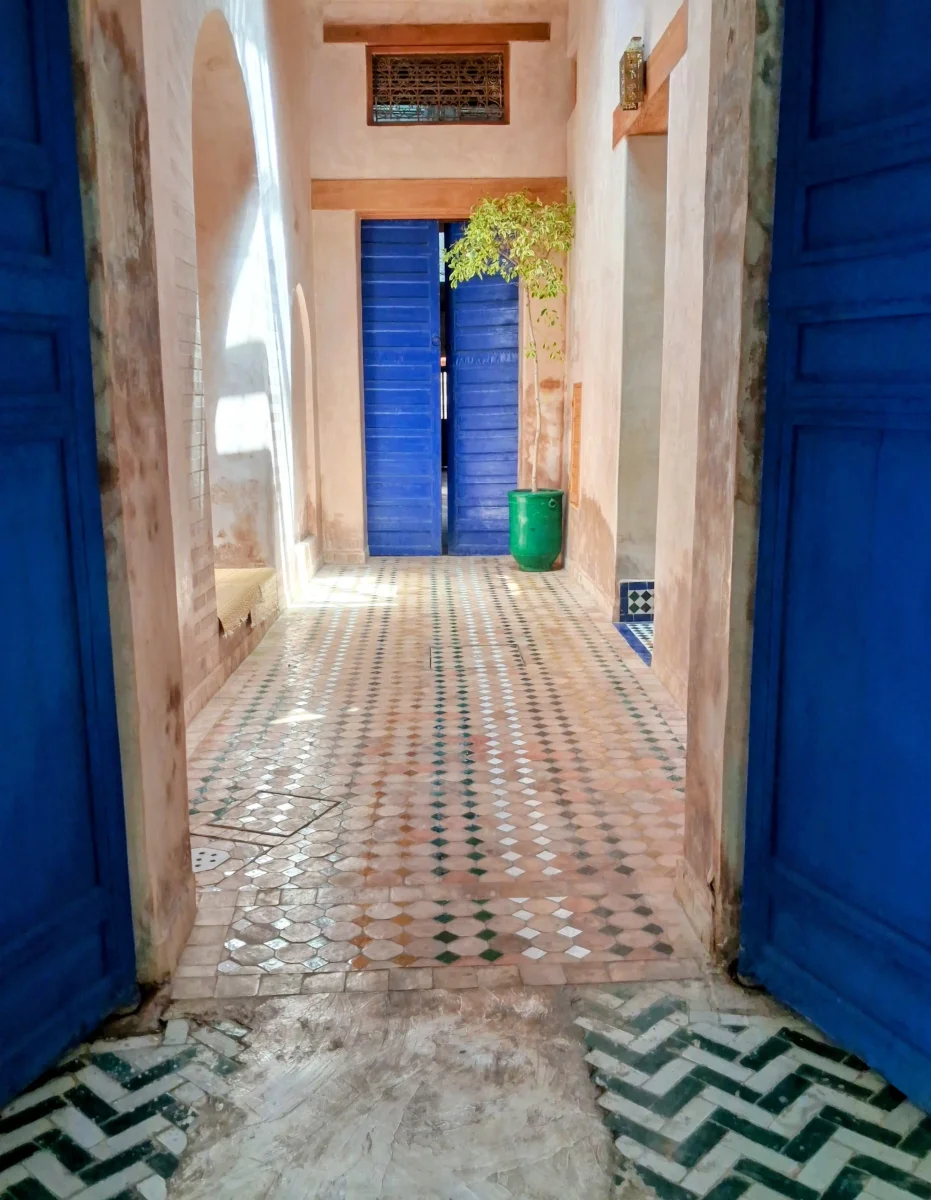
Its painted ceilings, zellige, carved wood and stucco decoration make it an excellent introduction to Moroccan decorative arts.
➡️ Plan your visit to Bahia Palace
El Badi Palace
Built from the late 16th century under the Saadian Sultan Ahmad al-Mansur, El Badi Palace was designed as a vast royal complex intended to express the prestige of Saadian power.
Although largely in ruins today, it remains impressive because of the scale of its courtyard, pools and surviving pavilion structures.
➡️ Explore the history of El Badi Palace
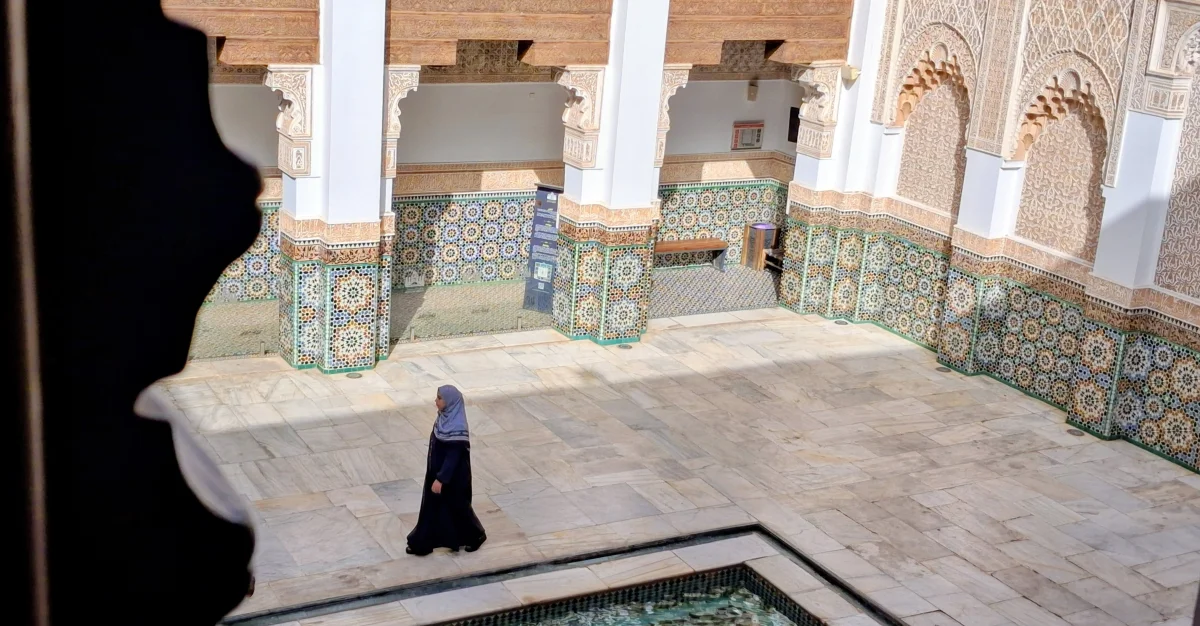
Ben Youssef Madrasa
The Ben Youssef Madrasa is one of the most remarkable monuments in Marrakech's medina.
Its architecture combines zellige, carved stucco, woodwork and calligraphy around a large central courtyard.
The former student rooms also provide insight into the educational function of the institution.
➡️ Discover the Ben Youssef Madrasa
Dar El Bacha – Museum of Confluences
Once the residence of the Pasha of Marrakech, Dar El Bacha is an outstanding example of early 20th-century palatial architecture.
The palace now houses the Museum of Confluences and exhibitions exploring different aspects of Morocco's history and cultural heritage.
➡️ Visit Dar El Bacha in Marrakech
Menara Pavilion and Gardens
The Menara introduces another essential aspect of Marrakech's heritage: water management and the large agricultural and landscaped spaces developed around the city.
Its historic basin and pavilion now form one of Marrakech's most recognisable landscapes.
➡️ Discover the Menara Pavilion and Gardens
Le Jardin Secret
Located in the heart of the medina, Le Jardin Secret provides insight into the organisation of historic Moroccan gardens and the essential role of water in their design.
➡️ Plan your visit to Le Jardin Secret
Why Visit Marrakech to Discover Moroccan Heritage?
Marrakech is an excellent introduction to the heritage of the Kingdom.
Within a relatively compact area, visitors can discover monuments belonging to different periods of Moroccan history while exploring a medina that remains an important centre of commerce and craftsmanship.
To go further, browse our Morocco travel guides and inspiration.
Fez: Cultural, Spiritual and Artisan Capital
Founded under the Idrisid dynasty between 789 and 808, Fez gradually became one of Morocco's great historic cities.
It experienced a particularly important period during the 13th and 14th centuries under the Marinids.
Its medina has been inscribed on the UNESCO World Heritage List since 1981.
Today, Fez preserves an exceptionally rich historic urban fabric composed of madrasas, funduqs, palaces, houses, mosques, fountains and workshops.
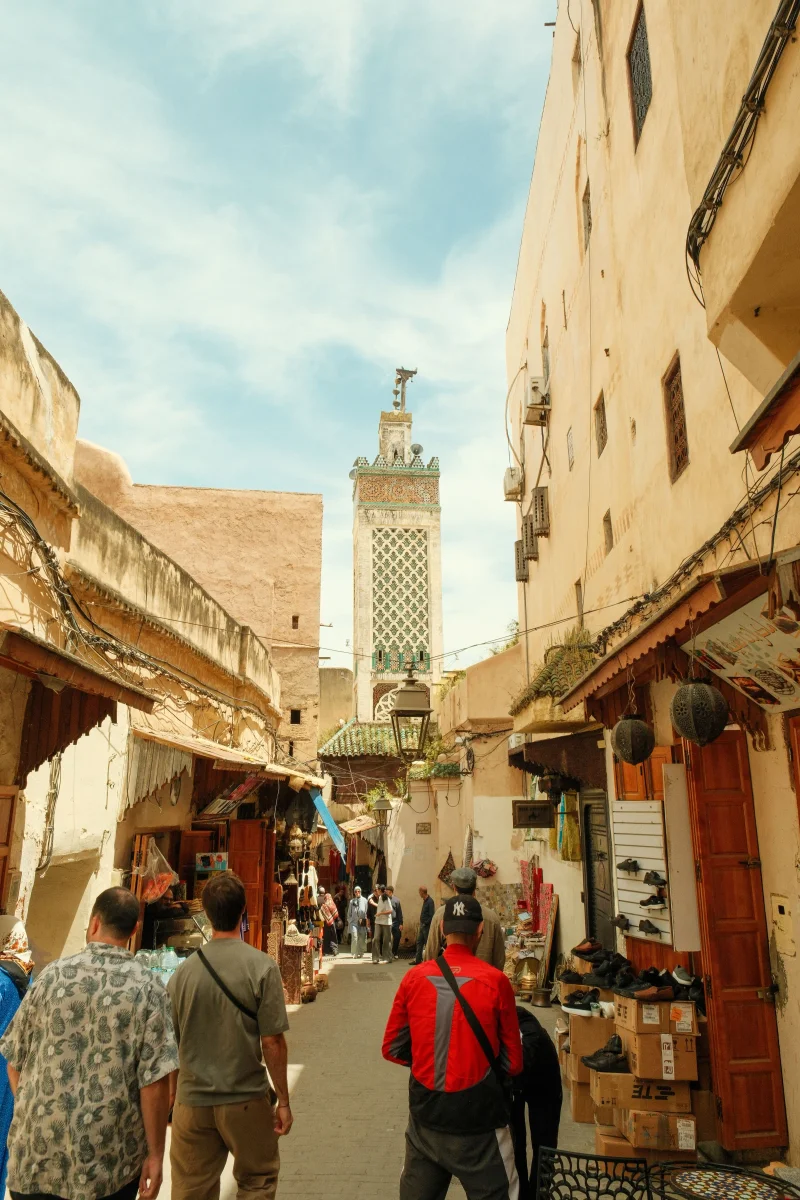
Visiting Fez is therefore not simply about moving from one monument to another.
The medina itself is an essential part of the experience.
Artisans continue to work leather, copper, wood, textiles and zellige, while madrasas and funduqs recall the intellectual and commercial role played by the city over many centuries.
Al Quaraouiyine
Founded in the 9th century, Al Quaraouiyine is one of the most important religious and intellectual institutions in the history of Fez.
Its development is closely linked to the growth of the city and its cultural influence.
Access to certain parts of the complex is restricted, so it is advisable to check current visiting conditions before going.
➡️ Discover the history of Al Quaraouiyine in Fez
Bou Inania Madrasa
The Bou Inania Madrasa is one of the great masterpieces of Marinid architecture.
Its decoration notably combines zellige, carved wood, stucco and calligraphy.
➡️ Plan your visit to the Bou Inania Madrasa
Al Attarine Madrasa
Located close to Al Quaraouiyine, the Al Attarine Madrasa is another outstanding example of Marinid architecture.
Built in the 14th century, it stands out for the richness of its decoration and the harmonious proportions of its courtyard.
➡️ Discover the Al Attarine Madrasa
Nejjarine Museum of Wooden Arts and Crafts
Housed in a former funduq, the Nejjarine Museum is dedicated to Morocco's traditional wood arts and crafts.
A visit allows you to discover both the collections and the architecture of the historic building in which they are displayed.
➡️ Visit the Nejjarine Museum in Fez
Chouara Tanneries
The Chouara Tanneries are among the best-known places in Fez.
They reflect the long tradition of leatherworking in the medina.
➡️ Discover the Chouara Tanneries and plan your visit
Bab Boujloud
Bab Boujloud is one of the most iconic entrances to Fez el-Bali.
It is also an excellent starting point for exploring part of the medina on foot and reaching several major monuments.
Jnan Sbil Garden
Located between Fez el-Bali and Fez el-Jdid, Jnan Sbil offers a green retreat close to the historic districts.
Dar Batha Museum
Dar Batha is another important stop for discovering the arts and heritage of Fez.
Before visiting, it is advisable to check the latest opening conditions.
Why Visit Fez?
Fez is essential for understanding Morocco's intellectual, urban and artisan history.
More than a collection of monuments, its medina forms a living historic environment where architecture, craftsmanship, commerce and traditions continue to coexist.
Meknes, Volubilis and Moulay Idriss Zerhoun: Three Stops Across Nearly Two Thousand Years of History
Meknes is one of Morocco's four imperial cities.
It is particularly associated with the reign of Sultan Moulay Ismaïl, who made it his capital from the late 17th century.
Its monumental heritage includes gates, fortifications, vast palatial areas and structures connected to the organisation of the imperial city.
But the region's heritage extends far beyond Meknes.
Nearby lies Volubilis, one of Morocco's most important archaeological sites, inscribed on the UNESCO World Heritage List since 1997.
Just a few kilometres from Volubilis, Moulay Idriss Zerhoun adds a spiritual and historical dimension to the itinerary.
By combining these three destinations, visitors can explore several major periods of Moroccan history in a single trip.
Bab Mansour
Located opposite El Hedim Square, Bab Mansour is one of Morocco's most famous monumental gates.
➡️ Discover Bab Mansour in Meknes
Mausoleum of Moulay Ismaïl
The Mausoleum of Moulay Ismaïl is closely linked to the imperial history of Meknes.
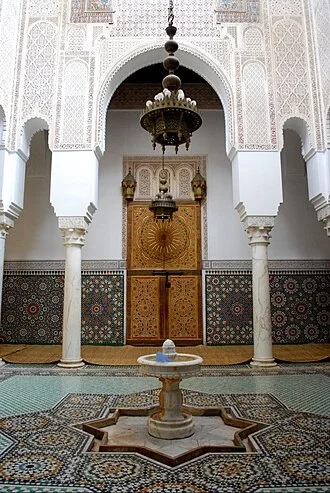
➡️ Plan your visit to the Mausoleum of Moulay Ismaïl
Heri es-Souani
Heri es-Souani helps visitors understand the scale of the constructions associated with Moulay Ismaïl's imperial city.
El Hedim Square
Located in the historic centre, El Hedim Square is a natural stop while exploring Meknes.
Volubilis
Volubilis is an essential stop for understanding Morocco's ancient history.
The site preserves mosaics, houses, baths and several public monuments.
➡️ Plan your visit to Volubilis
Moulay Idriss Zerhoun
The town of Moulay Idriss Zerhoun is associated with Moulay Idriss I and occupies a special place in Morocco's religious and political history.
➡️ Discover Moulay Idriss Zerhoun
Why Visit the Meknes Region?
Few regions make it so easy to combine an imperial city, archaeology and religious history.
Meknes, Volubilis and Moulay Idriss Zerhoun therefore form one of the most interesting heritage itineraries for travellers interested in Moroccan history.
Rabat: Where the Historic City Meets the Modern Capital
Morocco's present-day capital, Rabat has a heritage identity that differs from Marrakech, Fez and Meknes.
Its history combines Almohad heritage, a Marinid necropolis, a historic medina and modern urban development.
Since 2012, “Rabat, Modern Capital and Historic City: a Shared Heritage” has been inscribed on the UNESCO World Heritage List.
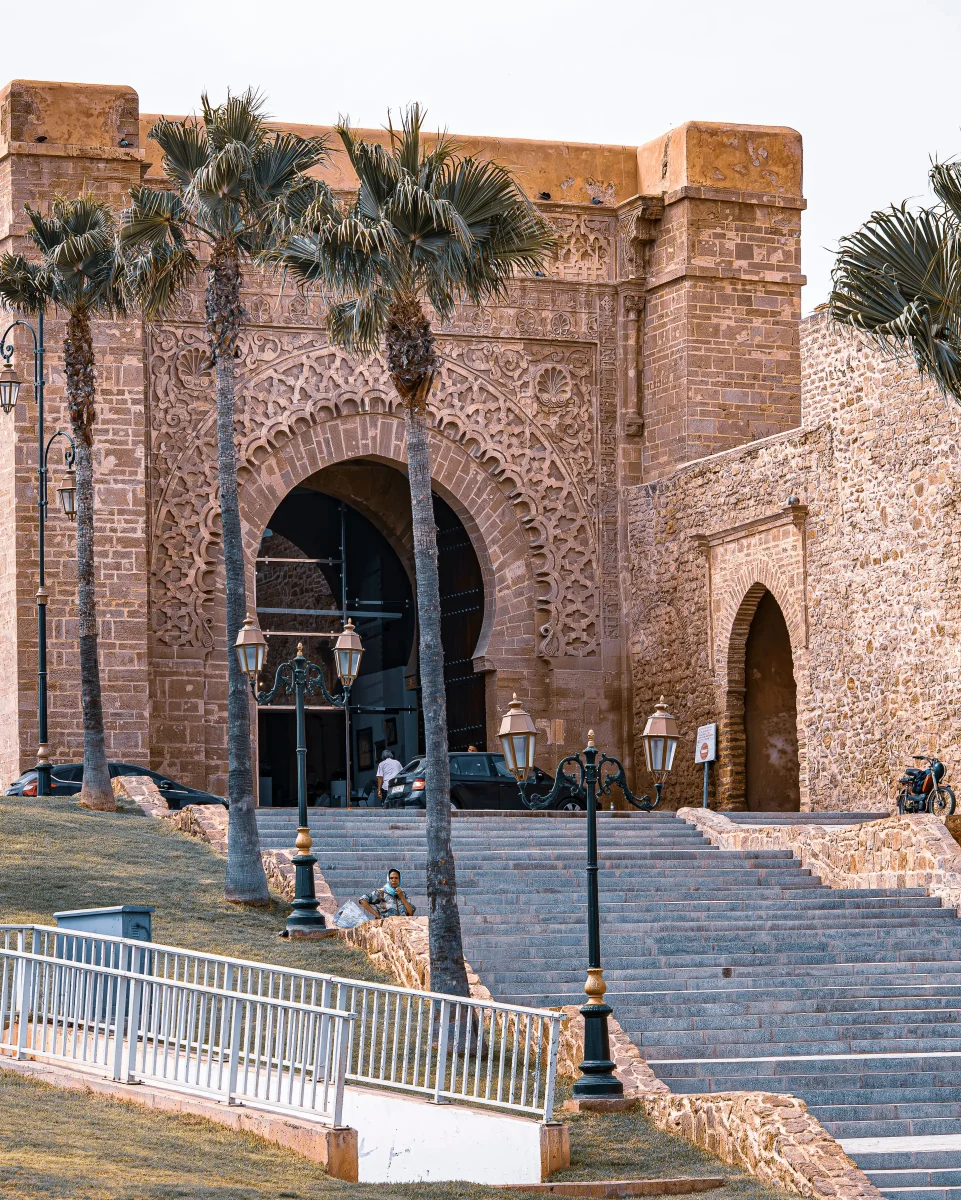
Located at the mouth of the Bouregreg River, opposite Sale, Rabat combines monumental heritage, gardens, museums, river landscapes and the Atlantic Ocean.
Kasbah of the Udayas
Overlooking the mouth of the Bouregreg, the Kasbah of the Udayas is one of Rabat's most iconic historic sites.
Its fortifications, monumental gate, lanes and surrounding landscape make it an essential stop.
➡️ Discover the Kasbah of the Udayas
Hassan Tower
The Hassan Tower is the monumental remnant of an ambitious Almohad project begun in the late 12th century.
Today, it is one of the symbols of Rabat.
Mausoleum of Mohammed V
Located on the same esplanade, the Mausoleum of Mohammed V is a major example of 20th-century Moroccan architecture.
➡️ Discover Hassan Tower and the Mausoleum of Mohammed V
Chellah
Chellah is especially interesting because several historical periods overlap within the same site.
It combines ancient remains and a Marinid necropolis in an environment now also appreciated for its gardens.
Other Places to Discover in Rabat
The capital also has several sites worth including in a cultural stay:
- Mohammed VI Museum of Modern and Contemporary Art;
- Botanical Test Garden;
- Rabat medina;
- Almohad ramparts.
Why Visit Rabat?
Rabat allows visitors to observe continuity between different periods of Moroccan history.
It is also an excellent destination for combining historic monuments, museums, modern architecture and landscaped spaces.
Coastal Cities: Maritime Heritage and Openness to the World
With both Mediterranean and Atlantic coastlines, Morocco has been connected to major maritime routes for centuries.
Ports, fortifications, medinas, arsenals, lighthouses and commercial districts reflect these exchanges with Europe, Africa and the wider Mediterranean basin.
Tangier, Essaouira and Tetouan offer three very different perspectives on this history.
Tangier: Between the Mediterranean, Atlantic and Strait of Gibraltar
Tangier occupies an exceptional geographic position close to the Strait of Gibraltar and the meeting point of the Mediterranean Sea and Atlantic Ocean.
This strategic location partly explains the city's long cosmopolitan history.
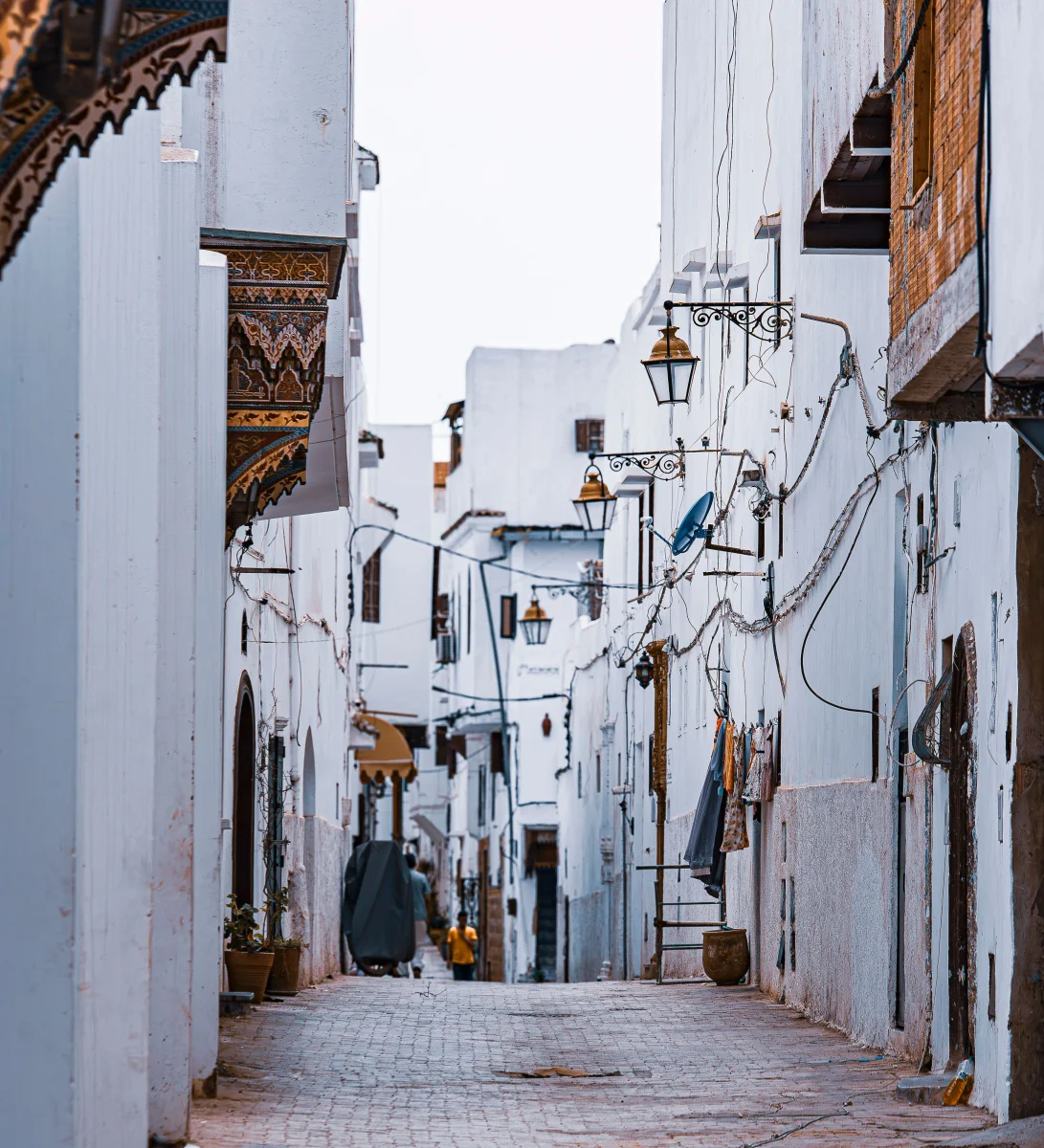
Merchants, travellers, diplomats, artists and writers have all contributed over time to shaping its identity.
Today, its medina, kasbah, museums and maritime landscapes allow visitors to explore this distinctive history.
Tangier Kasbah and Medina
The Kasbah overlooks the medina and provides one of the best starting points for understanding the city's history.
The Grand Socco and Petit Socco then lead visitors deeper into the historic districts.
Hercules Caves
Located west of Tangier, the Hercules Caves combine natural heritage, history and legend.
➡️ Plan your visit to the Hercules Caves
To explore the history and stories associated with the site in greater depth:
➡️ Read our guide to the Hercules Caves
Cape Spartel
Close to the Hercules Caves, Cape Spartel is one of the most iconic landscapes in the Tangier region.
Why Visit Tangier?
Tangier offers a perspective on Moroccan heritage that is deeply connected to its geography.
Its history lies at the crossroads of the Mediterranean, Atlantic, African and European worlds.
Essaouira: The Fortified City of the Atlantic
Formerly known as Mogador, Essaouira is one of Morocco's most remarkable historic port cities.
Developed in its present form in the mid-18th century under Sultan Sidi Mohammed ben Abdallah, it was designed as a major port open to international trade.
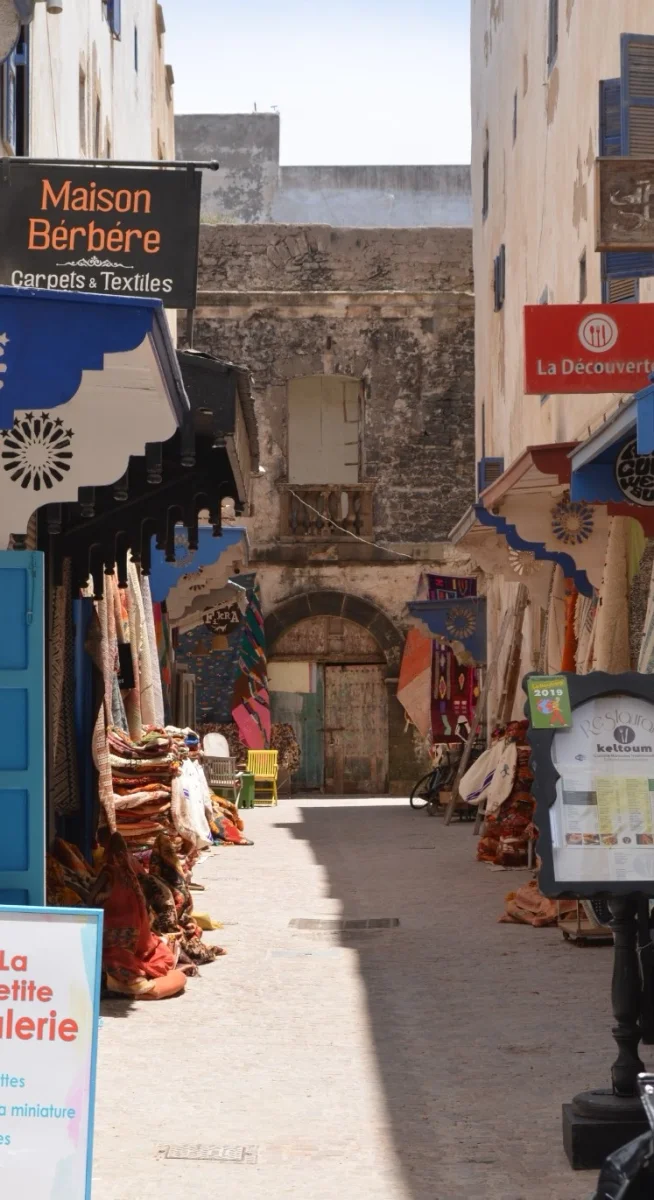
The Medina of Essaouira has been inscribed on the UNESCO World Heritage List since 2001.
Its urban design combines European-inspired fortification principles with architecture and an urban organisation adapted to the Moroccan context.
Ramparts and Skala
The fortifications are among the most characteristic features of Essaouira's landscape.
From the ramparts and defensive platforms, the relationship between the city and the ocean becomes immediately apparent.
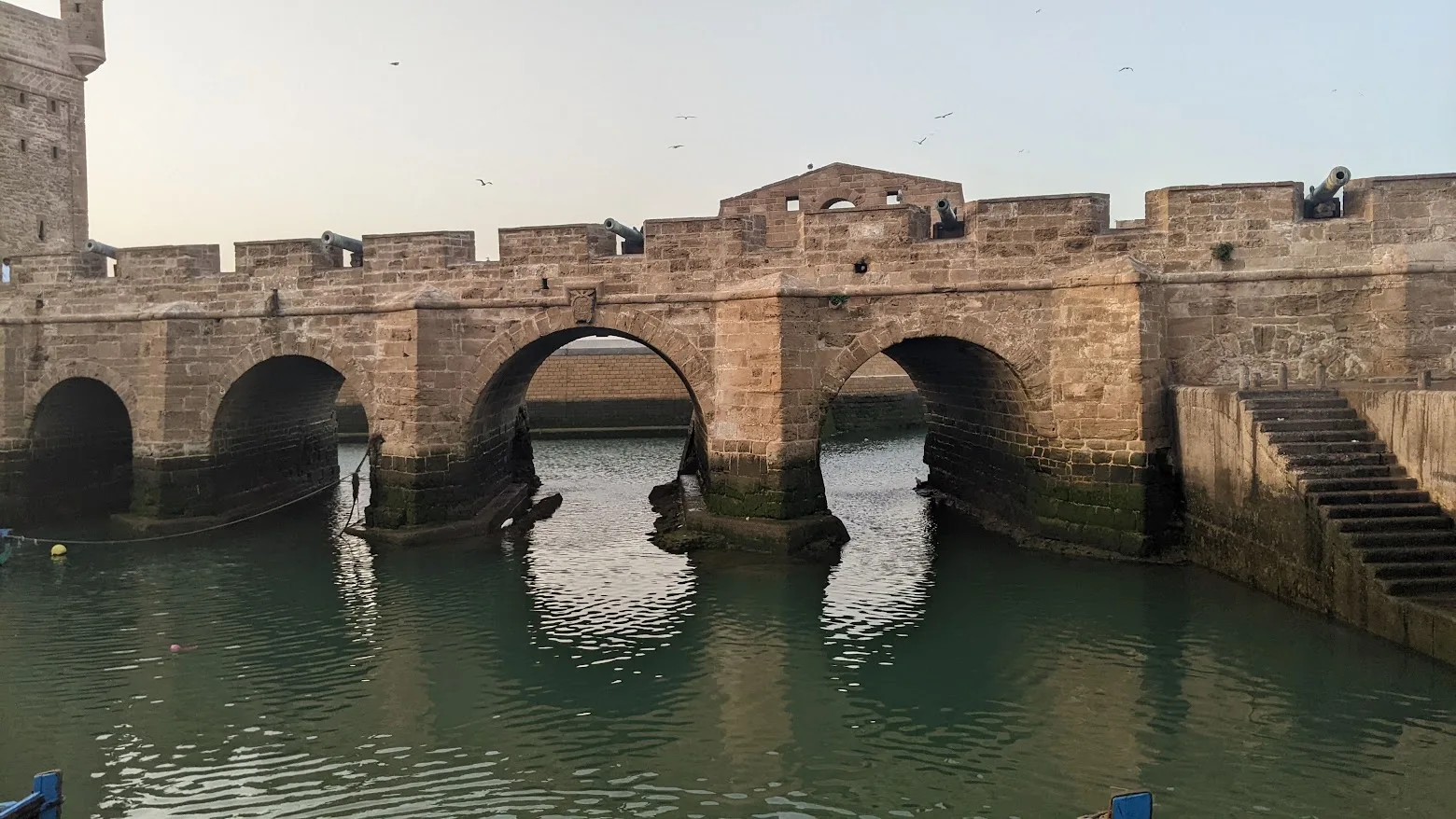
Sqala du Port
The Sqala du Port forms one of the main elements of the defensive system associated with the historic harbour.
➡️ Discover the Sqala du Port in Essaouira
Medina and Mellah
The medina is best explored on foot through its lanes, workshops, shops and historic neighbourhoods.
The former Mellah also reflects an important part of Essaouira's social and multicultural history.
Sidi Mohammed Ben Abdallah Museum
The museum is a useful complementary stop for exploring the history and cultural heritage of the region.
Why Visit Essaouira?
Essaouira offers a very different experience from the imperial cities.
Its maritime heritage, fortifications, craftsmanship and atmosphere make it an excellent destination for combining culture, history and the ocean.
Tetouan: A Heritage Deeply Shaped by Al-Andalus
At the foot of Jebel Dersa, Tetouan has one of the most distinctive medinas in northern Morocco.
The city historically played an important role as a link between Morocco and Al-Andalus.
Following the Reconquista, its development was strongly shaped by the arrival of Andalusian populations, whose influence remains visible in its architecture and arts.
The Medina of Tetouan has been inscribed on the UNESCO World Heritage List since 1997.
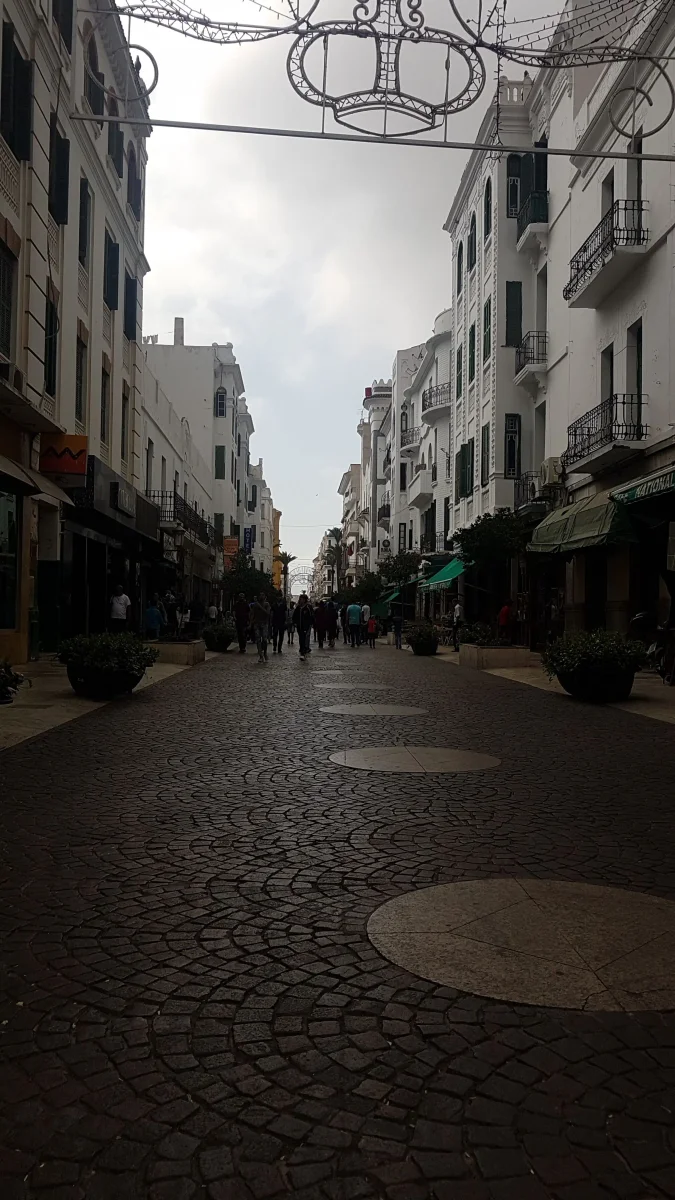
The Medina
Smaller than the medinas of Fez or Marrakech, Tetouan's medina preserves a particularly interesting historic urban fabric.
Bab Okla and Dar Sanaa
The Bab Okla area is an excellent starting point for discovering Tetouan's artisan heritage.
Dar Sanaa reflects the importance placed on passing traditional arts and crafts to future generations.
Museums
The Archaeological Museum and ethnographic collections help complement a visit to the medina and provide a deeper understanding of the region's history.
Why Visit Tetouan?
Tetouan is one of Morocco's best destinations for understanding the historical exchanges between Morocco and Al-Andalus.
➡️ Discover our guide to Tetouan
Chefchaouen: Heritage and Traditions in the Heart of the Rif
Nestled in the Rif Mountains, Chefchaouen is now internationally famous for the blue facades of its medina.
But reducing Chefchaouen to its colour would overlook its history.
Founded in the 15th century, the city developed in a context shaped by conflicts and political transformations affecting northern Morocco and the Iberian Peninsula.
It also welcomed populations from Al-Andalus who contributed to shaping its cultural identity.
Kasbah of Chefchaouen
Located on Outa El Hammam Square, the Kasbah of Chefchaouen is one of the city's main historic monuments.
➡️ Discover the Kasbah of Chefchaouen
The Medina
The medina is best explored on foot.
Its lanes, houses, small squares and workshops form a major part of Chefchaouen's appeal.
Ras El Ma
Located on the edge of the medina, the Ras El Ma springs also help visitors understand the historical relationship between the city, water and its mountainous surroundings.
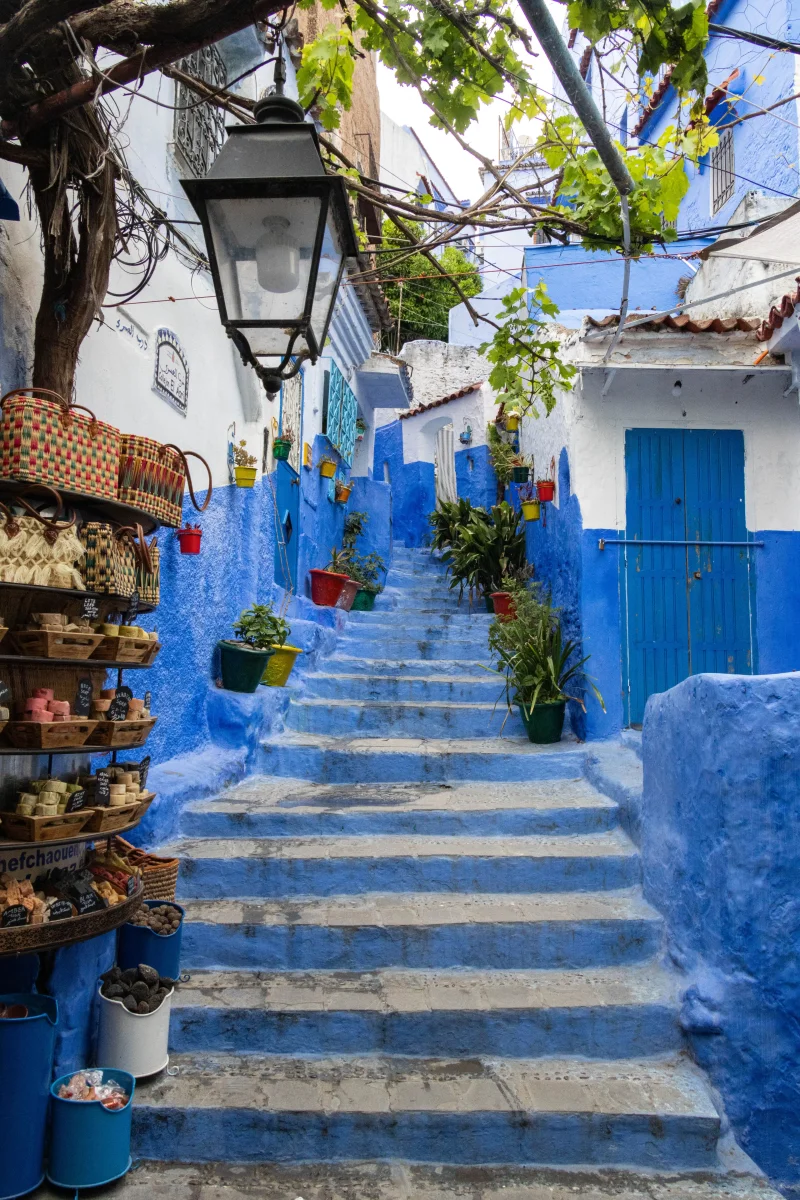
Why Visit Chefchaouen?
Chefchaouen combines urban heritage, history, craftsmanship and Rif landscapes.
It is a particularly interesting destination to add to an itinerary through northern Morocco.
Southern Morocco: Kasbahs, Ksour, Oases and Earthen Architecture
Beyond the imperial cities and coastal towns, southern Morocco reveals a heritage deeply connected to the landscapes of the Atlas and pre-Saharan regions.
Historic trade routes contributed to the development of fortified villages, kasbahs, ksour and oases.
Earthen architecture is one of the defining characteristics of this heritage.
It reflects construction techniques adapted to the climate and the materials available locally.
Ouarzazate: Gateway to the Kasbahs of the South
Located south of the High Atlas, Ouarzazate is one of the main starting points for exploring the valleys and historic architecture of southern Morocco.
The region has also become internationally known through cinema, with many films and productions using its landscapes and architecture as settings.
Taourirt Kasbah
The Taourirt Kasbah is one of Ouarzazate's main historic sites.
Ksar of Aït-Ben-Haddou
The Ksar of Aït-Ben-Haddou is one of the most famous examples of traditional earthen architecture in southern Morocco.
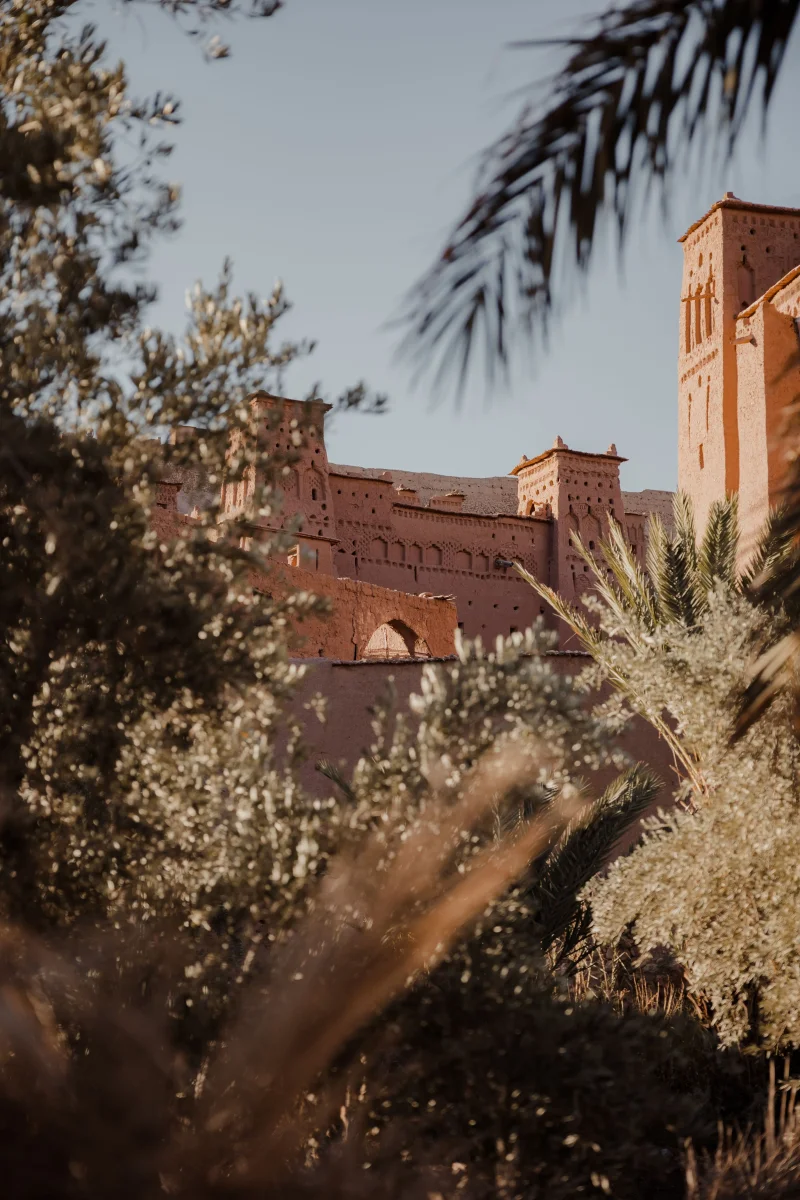
It has been inscribed on the UNESCO World Heritage List since 1987.
➡️ Plan your visit to Aït-Ben-Haddou
Tifoultoute Kasbah
The Tifoultoute Kasbah is another interesting stop in the surroundings of Ouarzazate.
➡️ Discover Tifoultoute Kasbah
Fint Oasis
The Fint Oasis offers another perspective on regional heritage, linked to water, agriculture and the organisation of oasis communities.
Atlas Studios
Atlas Studios represent a much more recent chapter in Ouarzazate's history: the development of the city as a major film-production centre.
➡️ Discover Atlas Studios and the history of cinema in Ouarzazate
Why Visit Ouarzazate?
Ouarzazate combines architectural heritage, landscapes, oases and film history.
Above all, it is an excellent gateway to Aït-Ben-Haddou, Skoura, the Drâa Valley and the major routes of southern Morocco.
The Drâa, Dadès and Todgha Valleys
South of the High Atlas, several valleys offer landscapes where palm groves, villages, kasbahs and mountain formations follow one another.
For centuries, these territories were part of travel and trade networks connecting mountain regions, oases and Saharan areas.
Local communities developed irrigation systems and architectural techniques adapted to sometimes arid environments.
Drâa Valley
The Drâa Valley is particularly known for its palm groves, earthen villages and historic role in routes crossing southern Morocco.
Dadès Valley
The Dadès Valley combines geological landscapes, villages and traditional architecture.
Todgha Gorges
The Todgha Gorges are among the most spectacular natural landscapes in the region.
Skoura Palm Grove
Skoura is especially interesting for understanding the traditional organisation of oases and discovering several historic kasbahs.
Why Explore the Valleys of Southern Morocco?
These landscapes show how architecture, agriculture, water and environment have shaped distinctive forms of cultural heritage.
Morocco's Major Archaeological Sites
The history of Morocco did not begin with the imperial cities.
Archaeological sites allow visitors to travel back to much earlier periods and better understand the territory's relationships with Mediterranean and African networks.
Volubilis
Inscribed on the UNESCO World Heritage List since 1997, Volubilis is Morocco's best-known ancient archaeological site.
Its mosaics, houses, baths and public monuments make it an essential destination for understanding the ancient history of the region.
Lixus
Located near Larache, Lixus reflects the long history of exchanges between Morocco's Atlantic coast and the Mediterranean world.
➡️ Discover the archaeological site of Lixus
Chellah
In Rabat, Chellah is particularly notable for the way several historic periods overlap.
➡️ Explore the history of Chellah
Banasa
Located in the Gharb plain, the ancient site of Banasa is another important destination for travellers interested in Moroccan archaeology.
Why Visit Morocco's Archaeological Sites?
These sites place the imperial cities and medieval monuments within a much longer historical timeline.
They also demonstrate that the territory of present-day Morocco participated in significant exchange networks between Africa and the Mediterranean from Antiquity onward.
Explore Moroccan Heritage by Type of Monument
Another way to plan your trip is to choose destinations according to the type of heritage that interests you most.
Historic Palaces
Palaces provide insight into political history, architecture and decorative arts.
Among the main historic palaces and residences open to visitors:
The royal palaces currently in use in Rabat, Fez or Meknes should not be considered freely accessible tourist monuments.
Madrasas
Madrasas reflect the role played by Morocco's major cities in education and the transmission of knowledge.
Their architecture also represents one of the most refined expressions of Moroccan decorative arts.
Among the most remarkable:
Museums in Morocco
Museums complement visits to monuments and provide a deeper understanding of the Kingdom's history, arts, archaeology and traditions.
Among the museums to discover:
- Marrakech Museum
- Dar El Bacha – Museum of Confluences
- Nejjarine Museum in Fez
- Dar Batha Museum in Fez
- Mohammed VI Museum of Modern and Contemporary Art in Rabat
- Mohammed VI Museum for the Civilisation of Water
- Sidi Mohammed Ben Abdallah Museum in Essaouira
- Kasbah Museum in Tangier
- MACAAL — Museum of Contemporary African Art Al Maaden
- Berber Museum at Jardin Majorelle
- Maison de la Photographie in Marrakech
- Fondation Montresso — Jardin Rouge
Kasbahs and Ksour
The terms kasbah and ksar do not refer to exactly the same type of architecture, even though they are often grouped together in tourist itineraries.
In southern Morocco, ksour generally refer to fortified village complexes, while the term kasbah can describe different forms of fortified buildings or residences of power depending on the region and period.
Among the sites to discover:
- Ksar of Aït-Ben-Haddou
- Taourirt Kasbah
- Tifoultoute Kasbah
- Kasbah of Chefchaouen
- Kasbah of the Udayas in Rabat
Historic Gardens
Water plays an essential role in the history of Moroccan gardens.
These spaces served as places of freshness, leisure, production and representation.
Among the gardens to discover:
- Le Jardin Secret in Marrakech
- the gardens of Bahia Palace
- the gardens and basin of the Menara
- Jnan Sbil in Fez
- the Botanical Test Garden in Rabat
Historic Medinas
Medinas are probably one of the best ways to understand Moroccan heritage.
They are not simply collections of monuments: they are also neighbourhoods where homes, shops, religious buildings, workshops and public spaces form a living urban fabric.
Among the major medinas to explore:
- Marrakech
- Fez
- Meknes
- Rabat
- Tetouan
- Essaouira
- Tangier
- Chefchaouen
The 9 UNESCO World Heritage Sites in Morocco
Morocco currently has nine properties inscribed on the UNESCO World Heritage List.
All are classified as cultural properties.
1. Medina of Fez
Inscribed in 1981, it was the first Moroccan property added to the World Heritage List.
2. Medina of Marrakech
Inscribed in 1985, it includes major monuments such as the Koutoubia, Saadian Tombs, El Badi Palace, Bahia Palace and Menara.
3. Ksar of Aït-Ben-Haddou
Inscribed in 1987, it is one of the most emblematic examples of traditional pre-Saharan earthen settlement.
4. Historic City of Meknes
Inscribed in 1996, it notably reflects the city's importance as an imperial capital under Moulay Ismaïl.
5. Archaeological Site of Volubilis
Inscribed in 1997, Volubilis is one of Morocco's major archaeological sites.
6. Medina of Tetouan
Inscribed in 1997, it particularly reflects the historic connections between northern Morocco and Al-Andalus.
7. Medina of Essaouira
Inscribed in 2001, it is an outstanding example of an 18th-century fortified port town.
8. Portuguese City of Mazagan in El Jadida
Inscribed in 2004, the former Mazagan is an important example of architectural exchanges and influences between Morocco and Europe.
9. Rabat, Modern Capital and Historic City: a Shared Heritage
Inscribed in 2012, this property combines historic heritage with a modern urban project developed during the 20th century.
Which Itinerary Should You Choose to Discover Moroccan Heritage?
The best itinerary depends above all on how much time you have.
2 or 3 Days: Discover One City
For a short stay, it is better to avoid too much travelling between destinations.
Choose one city and take the time to explore it properly.
Marrakech is particularly suitable for travellers who want to combine palaces, madrasas, gardens and souks.
Fez is ideal for discovering a major historic medina and exceptional artisan heritage.
Rabat combines monuments, museums and more open urban spaces.
Essaouira allows visitors to combine heritage and the ocean.
Chefchaouen offers a more compact experience within the landscapes of the Rif Mountains.
7 Days: Imperial Cities and Volubilis
For a first cultural trip, one possible itinerary is:
Marrakech → Rabat → Meknes → Volubilis → Fez
This route allows you to discover several imperial cities and one major archaeological site.
However, it is still important to consider travel times and avoid turning the trip into a continuous sequence of transfers.
7 Days in the North
Another option is to focus on northern Morocco:
Tangier → Tetouan → Chefchaouen → Fez
This itinerary reveals Mediterranean and Andalusian influences before reaching one of the great imperial cities.
7 Days Between Marrakech and the South
To discover earthen architecture:
Marrakech → High Atlas → Aït Ben Haddou → Ouarzazate → Skoura → Dades Valley
This itinerary offers a particularly interesting contrast between urban heritage and southern landscapes.
2 Weeks: A Grand Cultural Journey Through Morocco
With two weeks, it becomes possible to combine several major regions.
A more complete trip might include:
- Marrakech;
- Aït Ben Haddou and Ouarzazate;
- Essaouira;
- Rabat;
- Meknes;
- Volubilis;
- Fez;
- Chefchaouen;
- Tetouan or Tangier.
There is no need to see everything.
Moroccan heritage is best discovered by taking the time to explore cities and their neighbourhoods, rather than rushing from monument to monument.
Tips for Visiting Monuments and Museums in Morocco
A few precautions will help you make the most of your visits.
- Check updated opening hours before your visit.
- Verify whether hours change during Ramadan, public holidays, or special events.
- For the most popular monuments, visit early in the day if possible.
- Wear comfortable shoes for medinas and archaeological sites.
- Check specific rules regarding photography.
- Respect access restrictions at religious sites and official buildings.
- Allow extra time for the large medinas: getting around on foot is part of the experience.
- When online booking is available, check the different access options before your visit.
Practical information can change. Each monument's page on MoroccoMuseum aims to centralise the information you need to plan your visit.
Planning Your Visits with MoroccoMuseum
MoroccoMuseum aims to make Moroccan heritage easier to discover, understand, and visit.
The platform progressively gathers information on the Kingdom's monuments, museums, archaeological sites, and cultural destinations.
Here you will find:
- detailed guides dedicated to monuments;
- practical information for planning your visits;
- content dedicated to history and architecture;
- destination guides;
- digital resources for certain sites;
- tips for building your itinerary;
- where available, various ways to prepare for or book a visit.
Booking options and available services may vary by monument.
Where booking is offered directly on MoroccoMuseum, the relevant conditions and options are shown on that site's page.
➡️ Explore Morocco's monuments and heritage sites
➡️ Discover our travel guides and inspiration
Moroccan Heritage: A Journey That Never Ends in a Single Visit
From imperial medinas to ancient cities, from palaces to southern kasbahs, Moroccan heritage tells the story of several millennia.
Marrakech lets you explore the legacy of the Almoravids, Almohads, Saadians, and more recent periods.
Fez preserves one of the country's most important historic urban ensembles and remains deeply linked to knowledge and craftsmanship.
Meknes tells the story of Moulay Ismail's imperial ambition, while Volubilis opens a window onto Antiquity.
Rabat combines historical heritage with modern urban planning.
Tangier, Essaouira, and Tetouan each reflect, in their own way, Morocco's openness to the Mediterranean, the Atlantic, and international exchange.
In the south, Aït Ben Haddou, Ouarzazate, the kasbahs, ksour, and oases reveal a different relationship between architecture, environment, and ways of life.
There is therefore no single Moroccan heritage, but a multitude of stories, landscapes, architectures, and traditions that echo one another from region to region.
Whether you are planning your first trip to Morocco or looking to deepen your knowledge of the country, use this guide as a starting point.
Choose a city, open a monument's page, discover its history, and gradually let your itinerary take shape.
Moroccan heritage is not just visited: it is discovered, understood, and passed on.
For answers to the most frequently asked practical questions before departure, see our article 50 questions tourists ask before visiting Morocco.
References and Sources
- UNESCO — Morocco: World Heritage properties
- UNESCO — Medina of Fez
- UNESCO — Medina of Marrakesh
- UNESCO — Ksar of Ait-Ben-Haddou
- UNESCO — Historic City of Meknes
- UNESCO — Archaeological Site of Volubilis
- UNESCO — Medina of Tétouan
- UNESCO — Medina of Essaouira
- UNESCO — Portuguese City of Mazagan (El Jadida)
- UNESCO — Rabat, Modern Capital and Historic City: a Shared Heritage
- Moroccan National Tourist Office — The Imperial Cities
- MoroccoMuseum — Moroccan Heritage
- MoroccoMuseum — Guides and Inspiration