Practical information checked on 2 October 2026. Shop hours and access conditions may change: check them before you visit.
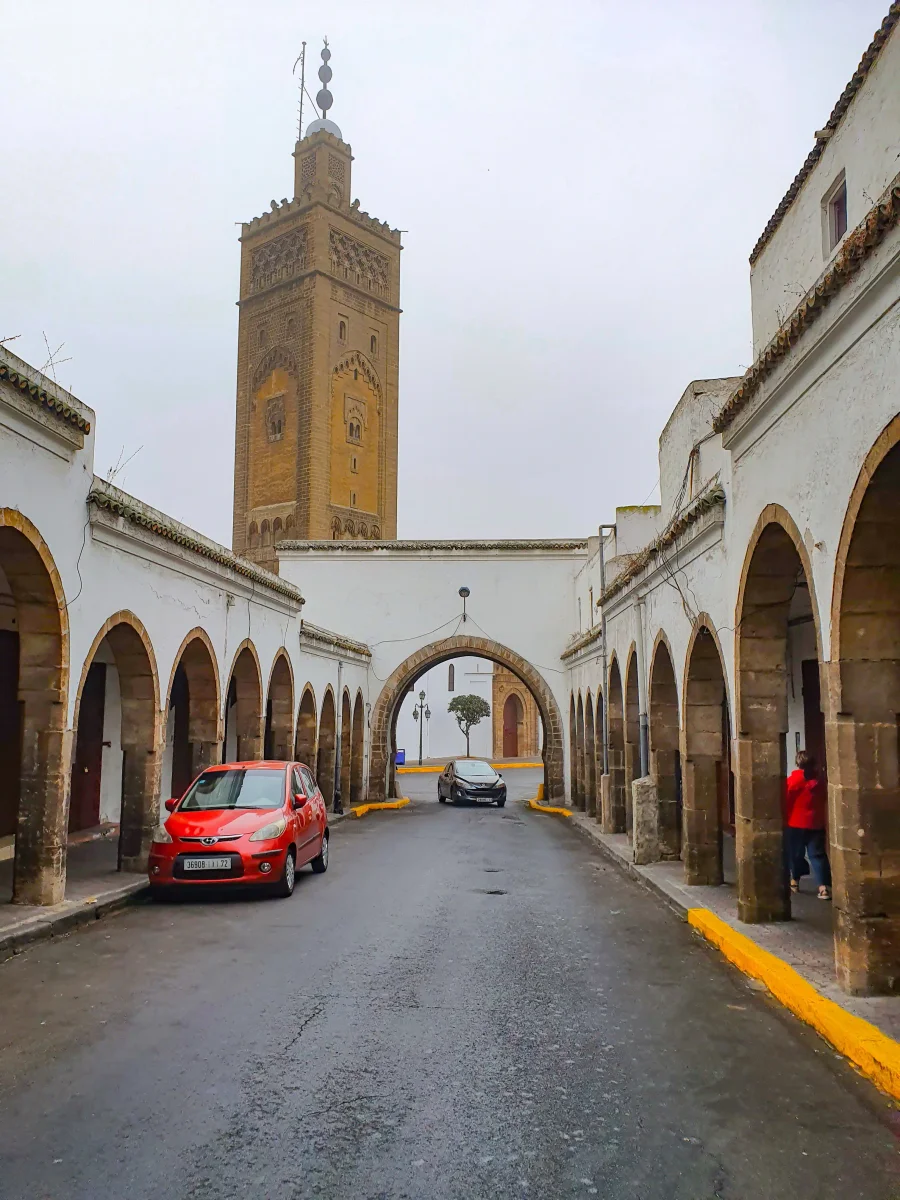
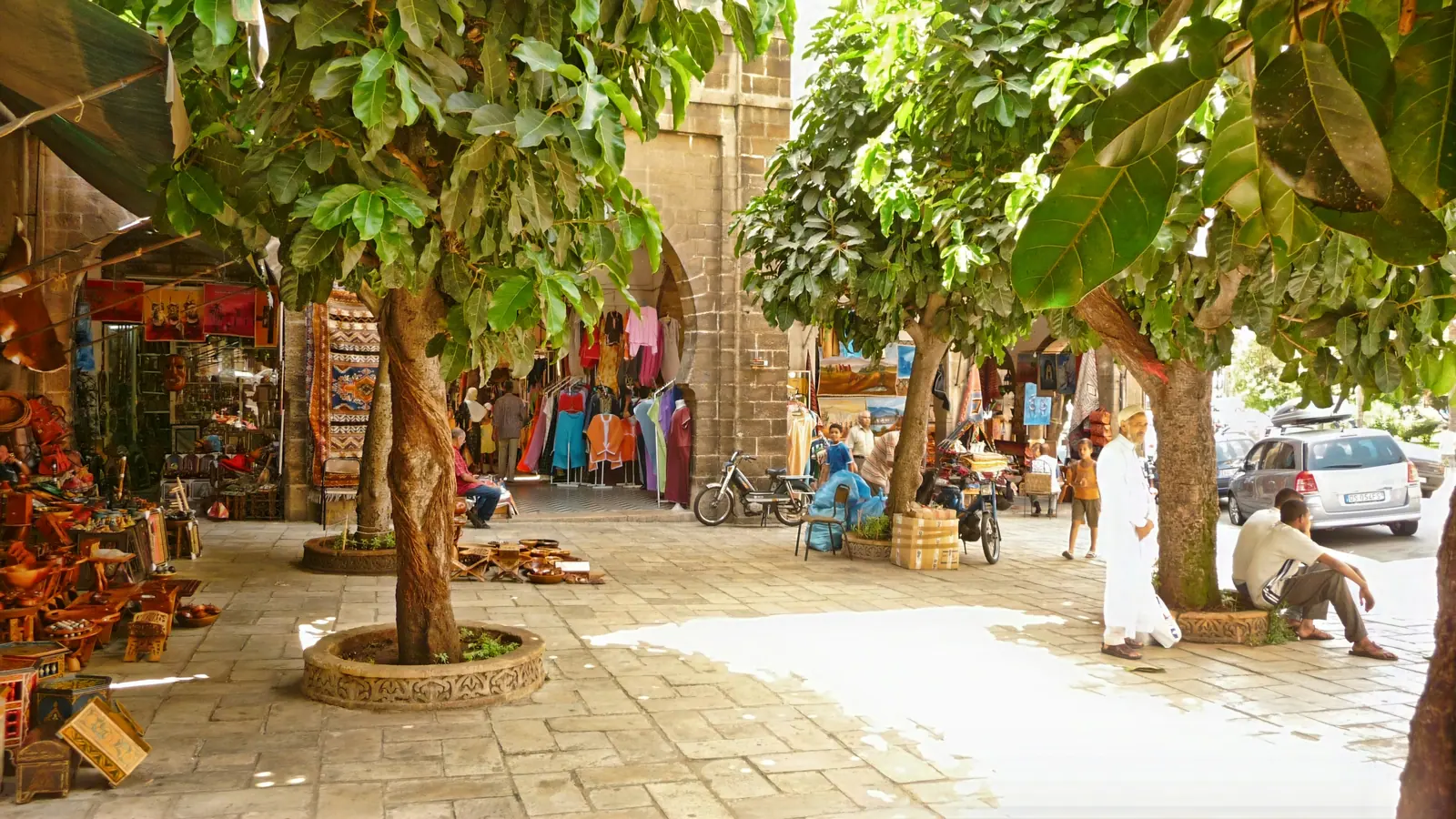
In Casablanca there is an old medina… and a New Medina. It is called the Habous quarter, or Habbous. It is one of the most interesting districts for combining Moroccan architecture, crafts, souks, pastries and local life.
Its lanes recall a traditional medina, but its urban plan was designed in the 20th century as part of Casablanca's modern development. Visit Casablanca presents it as a "new medina" built between 1918 and 1955. This guide to the Habous quarter explains where it is, what to see, what to buy and how to fit it into your stay.
Where is the Habous quarter?
The Habous quarter lies a few kilometres from the centre of Casablanca. It is also called the New Medina or the Habous district. It combines easily with the city centre or Art Deco heritage, by taxi or on a guided tour.
Habous or the old medina: what is the difference?
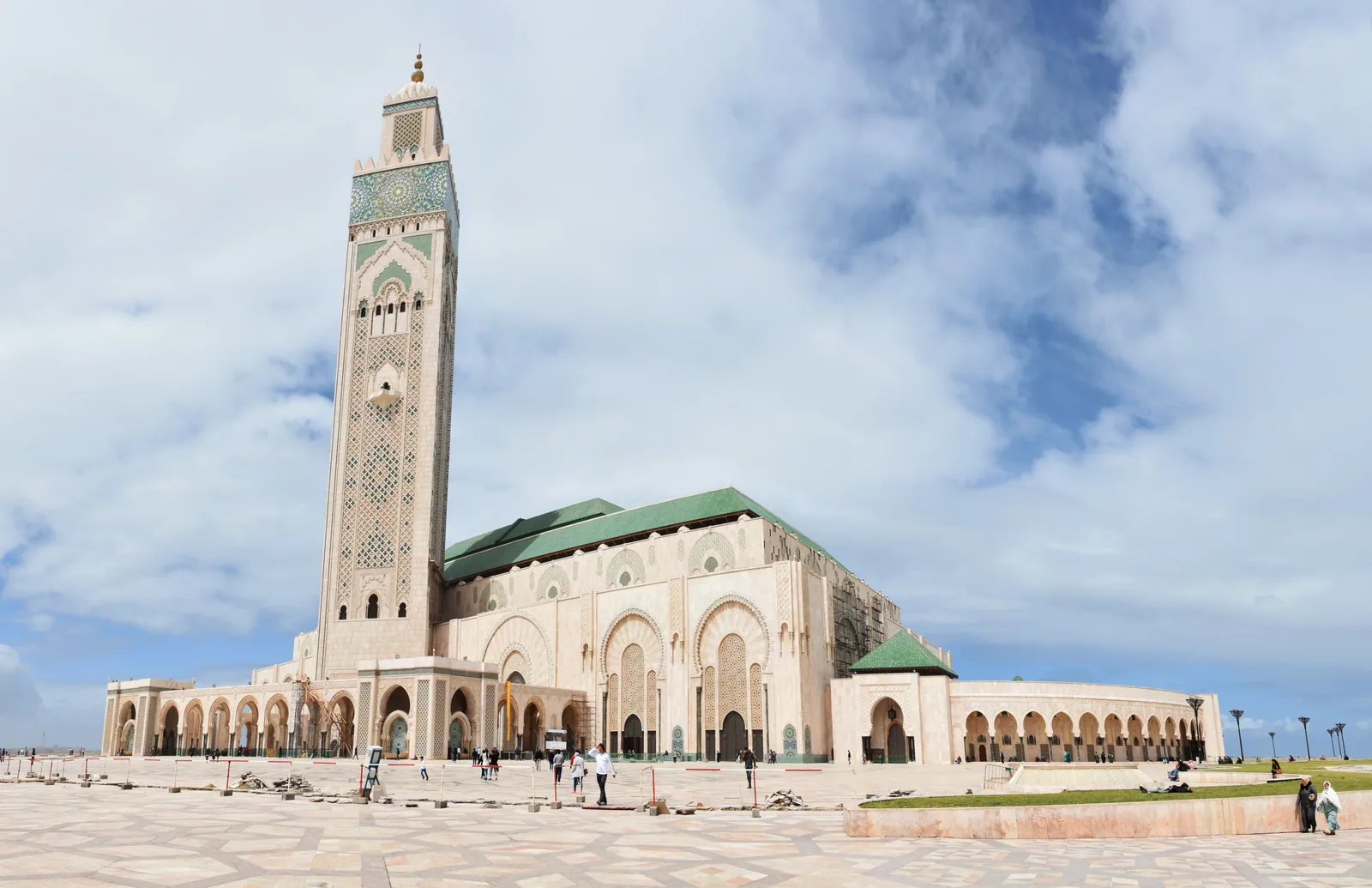
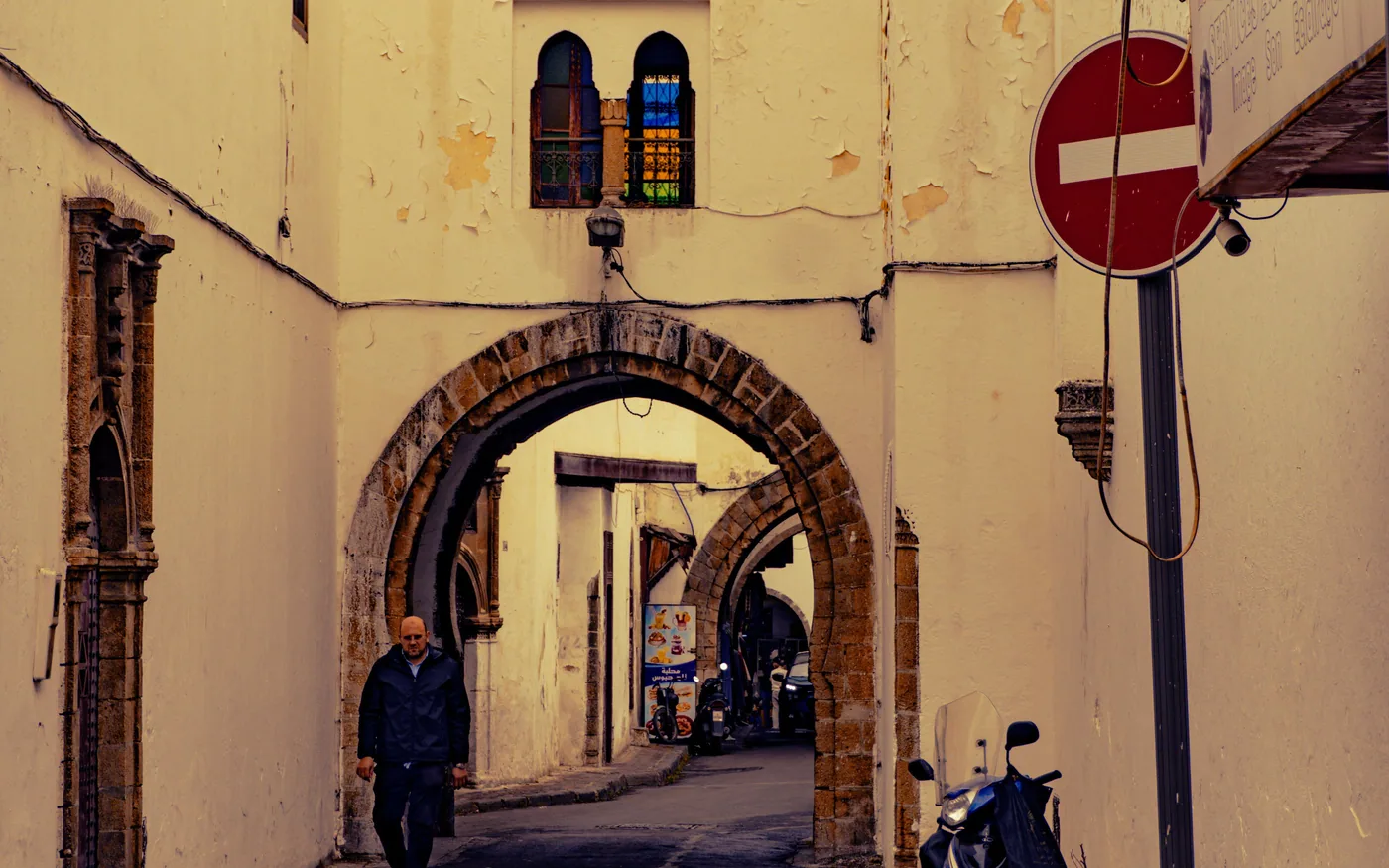
Don't confuse the old medina, the historic district near the port and the Hassan II Mosque, with Habous, which is much more recent. Habous was developed in the 20th century to house, among others, people who had come from different regions of Morocco. The two complement each other.
| Old medina | Habous | |
|---|---|---|
| Nature | Historic district | 20th-century New Medina |
| Atmosphere | More spontaneous | More structured |
| Location | Near the port | A few kilometres from the centre |
| Architecture | Old lanes | Arcades and small squares |
| Interest | Historical discovery | Traditional architecture reinterpreted, crafts |
If you have time, visit both.
What to see in the Habous quarter
Simply start by walking: it is the best way to discover Habous. Look at the arcades, white façades, doors, zellige and woodwork. The official Habous route from Visit Casablanca mentions in particular:
- the royal palace, to be admired from outside;
- the Grand Place, the heart of the quarter;
- the Al Mohammadi Mosque, to be admired from outside (only the Hassan II Mosque is open to non-Muslim visitors);
- the Bennis pastry shop, presented as one of the oldest and best known;
- Dar El Ala, devoted to Andalusian music;
- the olive market;
- the Mahkama du Pacha (see below).
The souks and the Crafts Kissaria
The souks are one of the main reasons to come. Under the arcades you will find Moroccan crafts. Visit Casablanca mentions carpets, hammered copper, ceramics, carved wood and leather, and refers to the Crafts Kissaria, with its cloth merchants and leather workers. Habous is smaller and easier to explore than the souks of Marrakech: it suits a first discovery of crafts well.
The Mahkama du Pacha
The Mahkama du Pacha is one of the most remarkable buildings in the quarter. Designed by the architect Auguste Cadet, it was built between 1941 and 1952. A former courthouse and reception venue for the Pasha, it now houses the seat of the El Mechouar Prefecture. Its decoration uses zellige, carved cedar wood, stucco and Arab-Andalusian motifs. See the Mahkama du Pacha page.
Can you visit it? It is an administrative building: access to the interior depends on the conditions of the day, an accompanied visit or an authorisation, and no reliable opening times are published. Don't build your itinerary around interior access: check before you come, or choose an accompanied visit when one is available.
Pastries and bookshops
Habous is known for its Moroccan pastries: gazelle horns, ghriba, briouates, chebakia or almond pastries, depending on the shops. It is a good treat stop during your walk. The quarter also has bookshops and shops selling cultural products (history, art, religion, literature).
How much time should you allow?
| Format | Duration | For whom |
|---|---|---|
| Quick visit | About 1 h | Walking through the main streets |
| Standard visit | About 1.5 to 2 h | Architecture, souks, a few purchases |
| In-depth visit | 2.5 to 3 h or more | Shopping, pastries, lunch, photos |
These are guidelines: they depend on your pace.
When to visit Habous
Habous is visited during the day, in the morning or the afternoon. Shops have their own hours and may close earlier than restaurants: avoid a visit that is too late if you want to shop, and check the hours of the shop or site you are interested in, especially during religious holidays.
- In the morning: to shop in peace and photograph the streets.
- In the afternoon: handy if you start with the Hassan II Mosque and the city centre, before finishing with dinner or the Corniche.
What to bring back from Habous
- For the home: trays, ceramics, copper or wooden objects, textiles, carpets.
- To wear: babouche slippers, bags, belts, traditional clothing.
- To give: small crafted items, pastries, cultural products.
Buying tips. Compare quality, material, finish and price in several shops. Ask about the origin and making of objects: something presented as handmade can be produced in very different ways. For bulky pieces, ask how to arrange shipping. Bring cash, as some small shops don't accept cards. Haggling is common for some items, but haggling doesn't mean seeking the lowest possible price: a handmade object represents time and skill.
Habous with family
The quarter suits families: small streets, colours, crafted objects, pastries. Some shopping streets are very busy: keep children close.
How to get to Habous
From another district, a taxi is simplest. If you use the tram, check the route for your starting point. Journey time depends on traffic. Once there, walking is the best way to discover the streets: bring comfortable shoes.
Habous with a guide: is it worth it?
You can visit on your own. A guide adds the history of the New Medina, explanations of the architecture, the Mahkama du Pacha, the crafts and the differences from the old medina. If you simply want to buy a few souvenirs, a self-guided visit is enough; if you want to understand the quarter, a guided tour of Casablanca is richer.
Among MoroccoMuseum's offers, the Casablanca Highlights: medina, Habous and Rick's Café photo stop listing combines Habous with the old medina, and the Casablanca Half-day guided tour listing also mentions Habous in its programme. Check the exact content, duration and conditions of each offer with the provider.
Habous in your stay
- In one day: Habous fits best in the afternoon, after the mosque and the city centre. See Casablanca in one day.
- With Art Deco: the two complement each other. The city centre is known for its Art Deco, modern and neo-Moorish architecture; Habous for its New Medina architecture. See our Art Deco route.
- Over two days: Habous can take a whole morning. See Casablanca in two days.
- With the Hassan II Mosque: the guided tour follows fixed times: plan it first. See our guide to visiting the Hassan II Mosque.
To place Habous in the city, see our complete guide to Casablanca. The history of Casablanca's urban planning is covered in history and heritage of Casablanca.
Where to eat in Habous
You can plan a meal or a sweet break: Moroccan cuisine, tagines, couscous, grills, pastries, mint tea. To go further, see our guide on what to eat in Casablanca.
Practical tips
- Take time to walk: don't settle for one street.
- Compare products before buying.
- Ask about the origin of crafted objects.
- Bring cash.
- Have fragile items packed.
- Check the hours of the shops and sites you are aiming for.
- Don't promise interior access to the Mahkama.
FAQ — Habous quarter, Casablanca
Where is the Habous quarter in Casablanca?
A few kilometres from the city centre. It is also called the New Medina.
Why visit Habous?
For its architecture, souks, crafts, pastries and the Mahkama du Pacha.
What can you buy in Habous?
Carpets, leather, babouche slippers, copper objects, ceramics, carved wood, traditional clothing and souvenirs.
How long does it take?
About 1.5 to 2.5 hours for a comfortable visit, more for shopping.
Can you visit the Mahkama du Pacha?
Access conditions vary: check them before planning an interior visit.
Is Habous open on Sundays?
The quarter is a living urban space, but shop and site hours vary: check them.
Is Habous far from the Hassan II Mosque?
They are in two different parts of the city: the journey depends on traffic and the means of transport.
Can you go with children?
Yes, staying alert in the busiest streets.
Is Habous touristy?
Yes, it is a well-known destination for crafts, but also a district used by local residents.
Discovering Habous with fresh eyes
It is neither the old medina, nor the Art Deco centre, nor the Corniche: it is a 20th-century New Medina at the crossroads of Moroccan architecture and modern town planning. Walk under the arcades, look at the façades, meet the craftspeople, taste a pastry. To prepare your stay, see the tours, experiences and day trips available in Casablanca on MoroccoMuseum.
Opening times, prices, access conditions and availability may change. Check the information with shops, sites and providers before your visit.