Practical information checked on 2 October 2026.
Casablanca is Morocco's largest city, turned towards the Atlantic: busy boulevards, Art Deco buildings, districts that each feel different, markets, cafés, restaurants and, facing the ocean, the spectacular Hassan II Mosque.
Visiting Casablanca is about more than one famous monument. The city has several faces: an old medina near the port, the Habous quarter and its arcades, a centre shaped by Art Deco architecture, residential districts such as Anfa, the Corniche and Ain Diab, beaches, museums and galleries.
This travel guide helps you plan your stay: what to see, what to do, how many days to allow, where to sleep, how to get there and around, and which day trips to consider.
Why visit Casablanca?
Casablanca is Morocco's economic capital. It does not have the medina of Fez or Marrakech and is not visited like an open-air museum: you discover it through the mix of Moroccan architecture, European influences, contemporary city life and its opening onto the Atlantic.
It is also a practical place to start or end a trip to Morocco, thanks to its international airport and rail links. For some travellers Casablanca is only a stopover between the airport and another city. For others it deserves a day or two, and you then find a city far more varied than its image as an economic capital suggests.
If you are interested in the history of the city, from ancient Anfa to modern Casablanca, our article on the history and heritage of Casablanca tells the story in detail.
Casablanca at a glance
| Top sights | Hassan II Mosque, old medina, Art Deco centre, Habous, Corniche |
| Suggested time | 1 to 2 days (see below) |
| Getting there | Mohammed V airport, train (Casa-Voyageurs and Casa-Port stations) |
| Getting around | Walking in the centre, taxi, tram and Casabusway |
| Best for | Architecture, food, the ocean, layovers, a base for day trips |
What to see in Casablanca
For a first visit, these are the places to put at the top of your itinerary.
1. The Hassan II Mosque
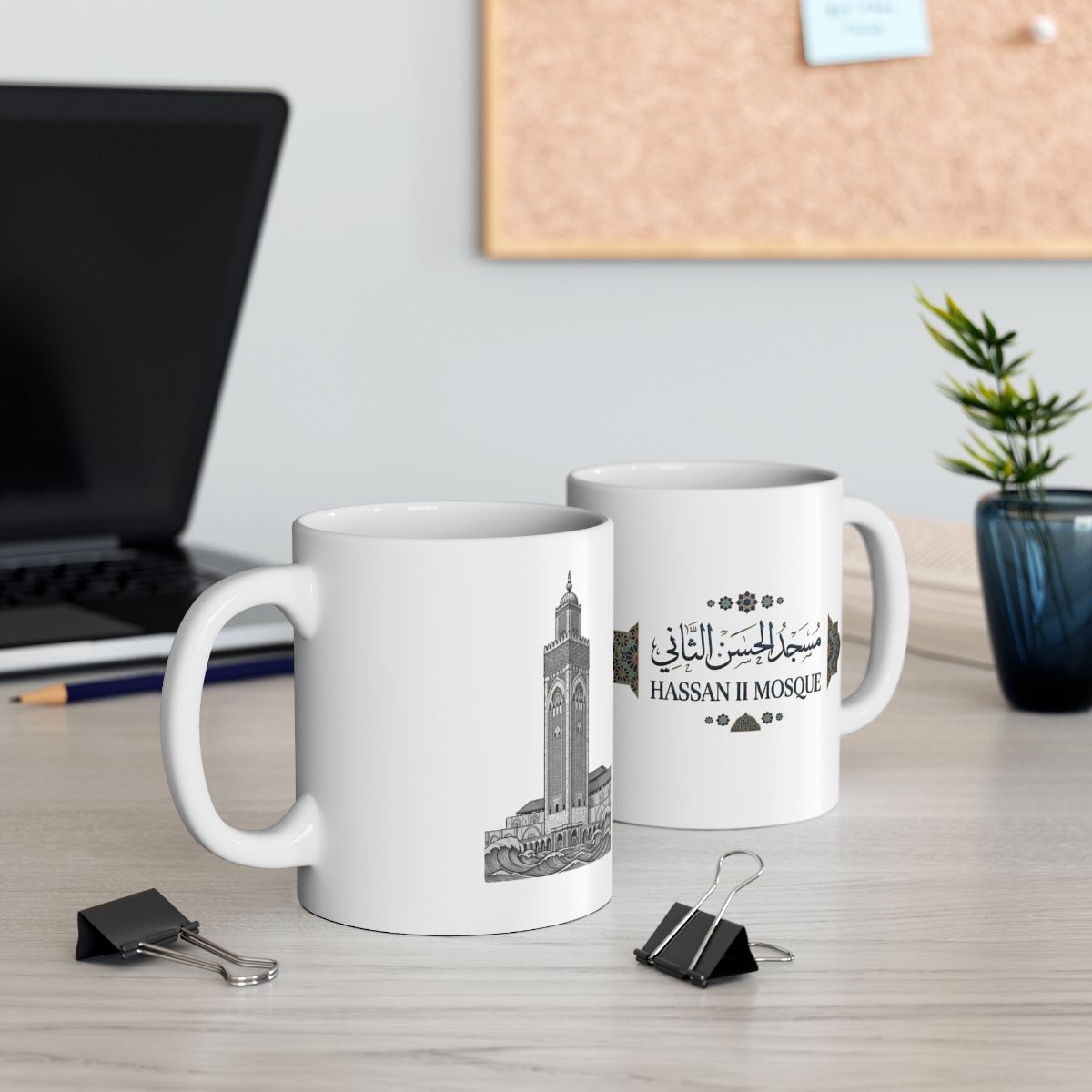
This is Casablanca's most emblematic monument. Built on the Atlantic shore, it stands out for its immense minaret and the richness of its decoration. Non-Muslim visitors can enter on guided tours organised under the conditions set by the Hassan II Mosque Foundation.
Prices, opening times, dress code and practical tips are covered in our guide on how to visit the Hassan II Mosque.
2. The old medina
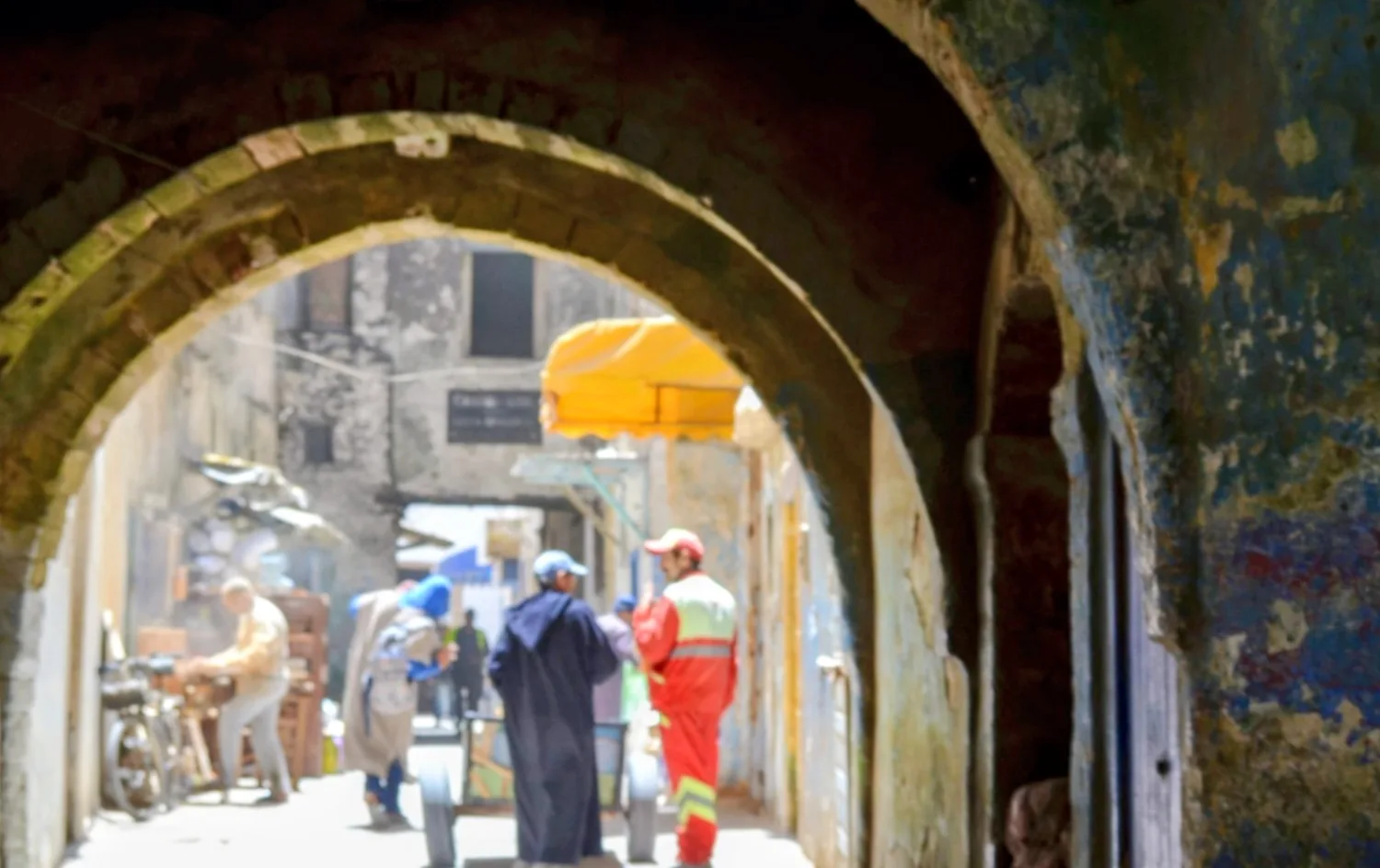
Near the port, the old medina gives another picture of the city: lanes, small shops, doors and stalls from an older, more everyday Casablanca. It was rebuilt from the 1770s after the 1755 earthquake and combines elements of Arab-Muslim architecture with European influences.
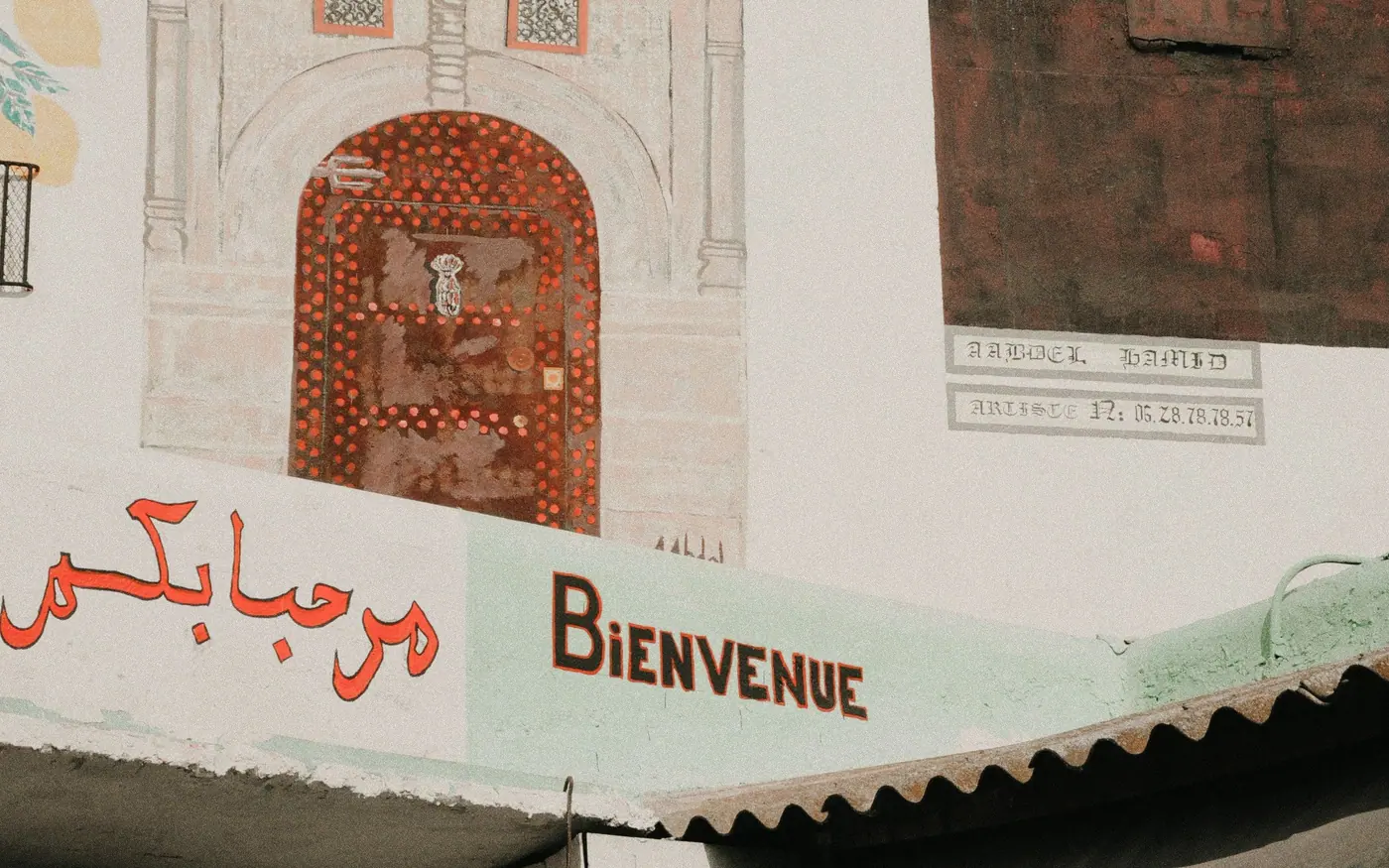
Take your time walking there without trying to see everything: it is above all a place to observe daily life and small businesses.
3. The Sqala
Close to the medina and the port, the Sqala is a fortified bastion built in the 18th century. It helps you understand the importance of the seafront and the city's fortifications, and fits easily into a walk around this area. Access conditions and opening times may vary: check before you go.
4. The city centre and Art Deco
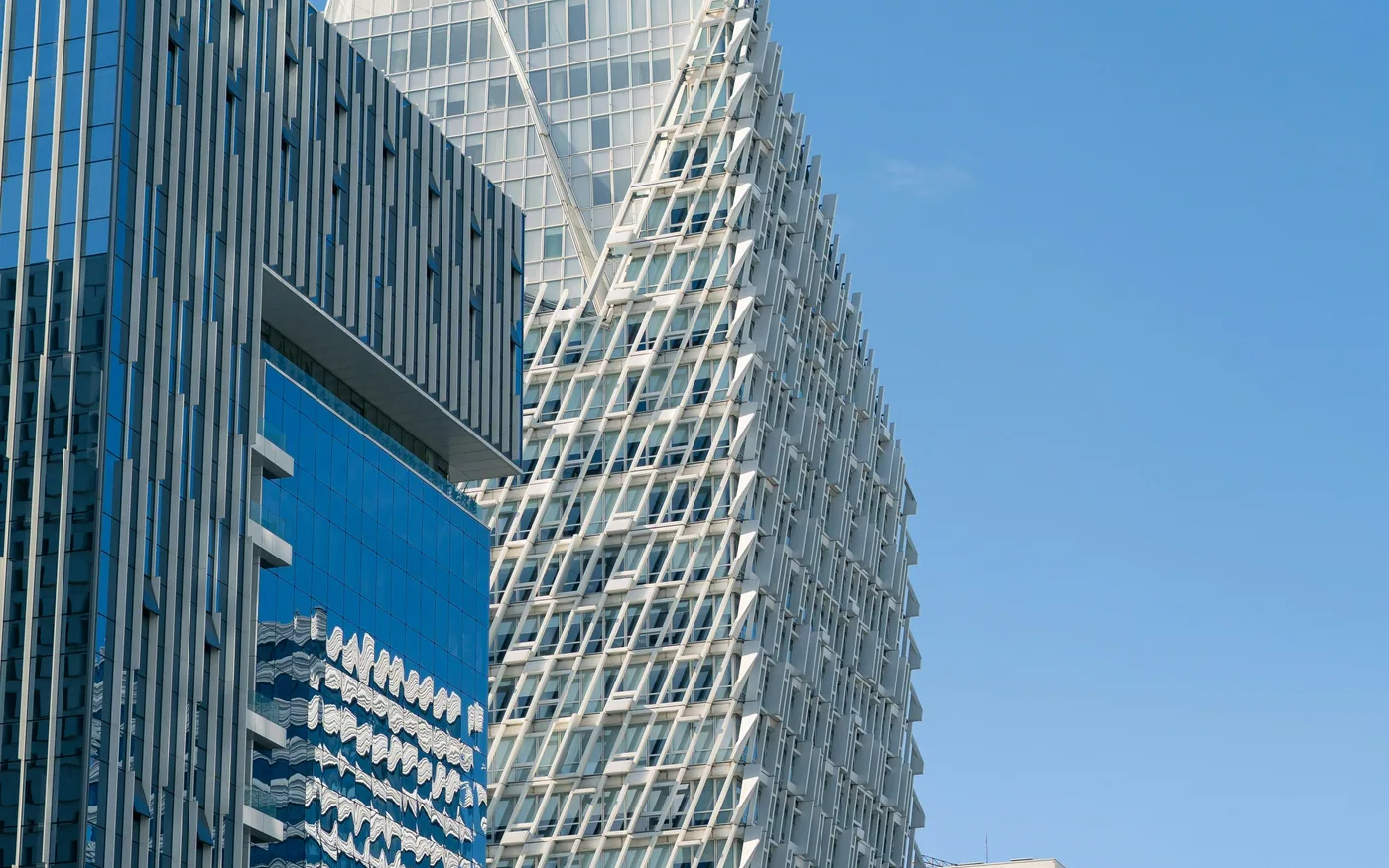
To understand Casablanca you have to leave the medina. The centre holds much of the architecture developed during the protectorate: Art Deco, neo-Moorish, modern and European. The wide avenues and squares contrast with the medina lanes, and Place Mohammed V is a good starting point for an architectural walk. Our Casablanca Art Deco walking route lets you discover it in a few hours.
5. The Habous quarter
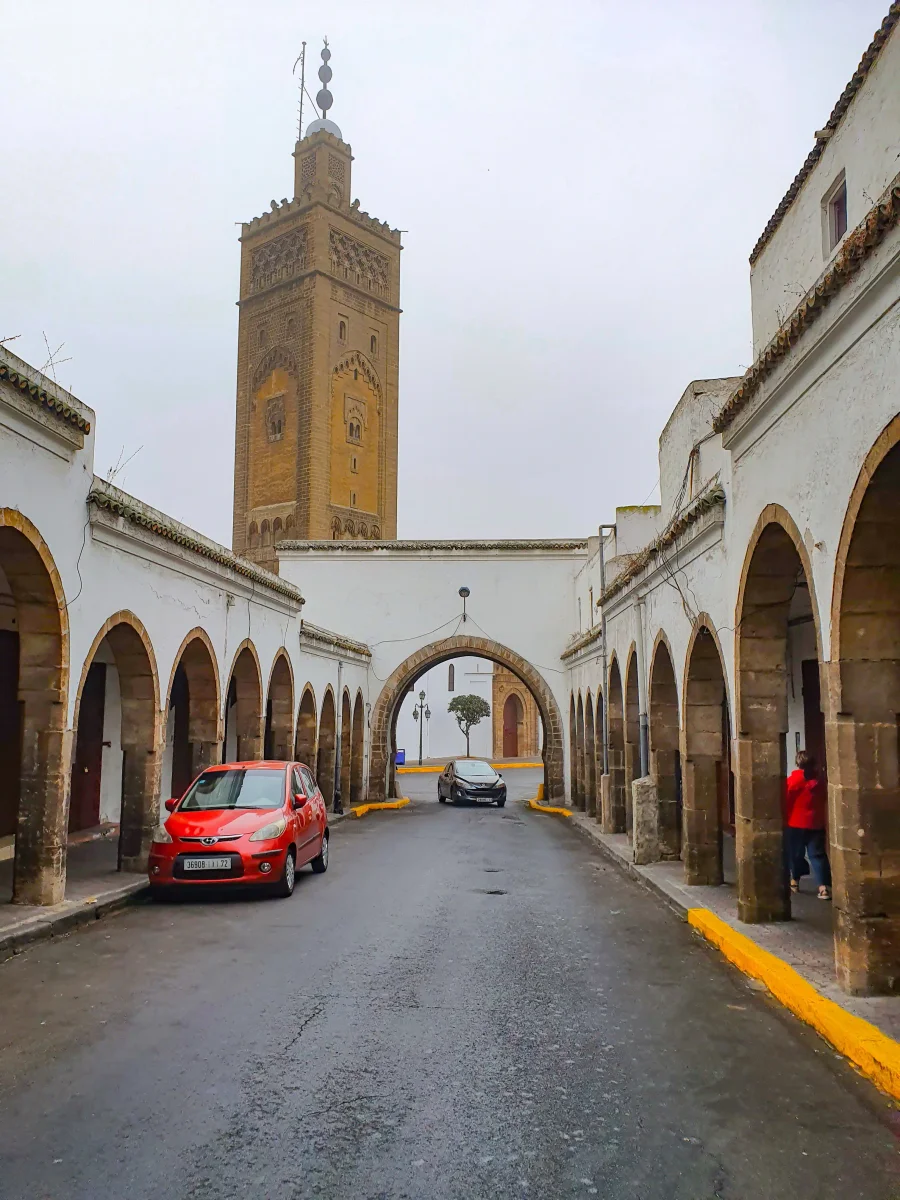
The Habous quarter, also called the New Medina, was built between 1918 and 1955 during the protectorate. It combines modern town planning with references to traditional Moroccan architecture.
It has arcades, small squares, craft shops, bookshops, pastry shops, souks and places of worship. It is known for its crafts: carpets, leather, copper, ceramics, carved wood, traditional clothing. Nearby is also the Mahkama du Pacha (check the visiting conditions before you go). Our guide to the Habous quarter covers all of this in detail.
6. The Corniche and Ain Diab
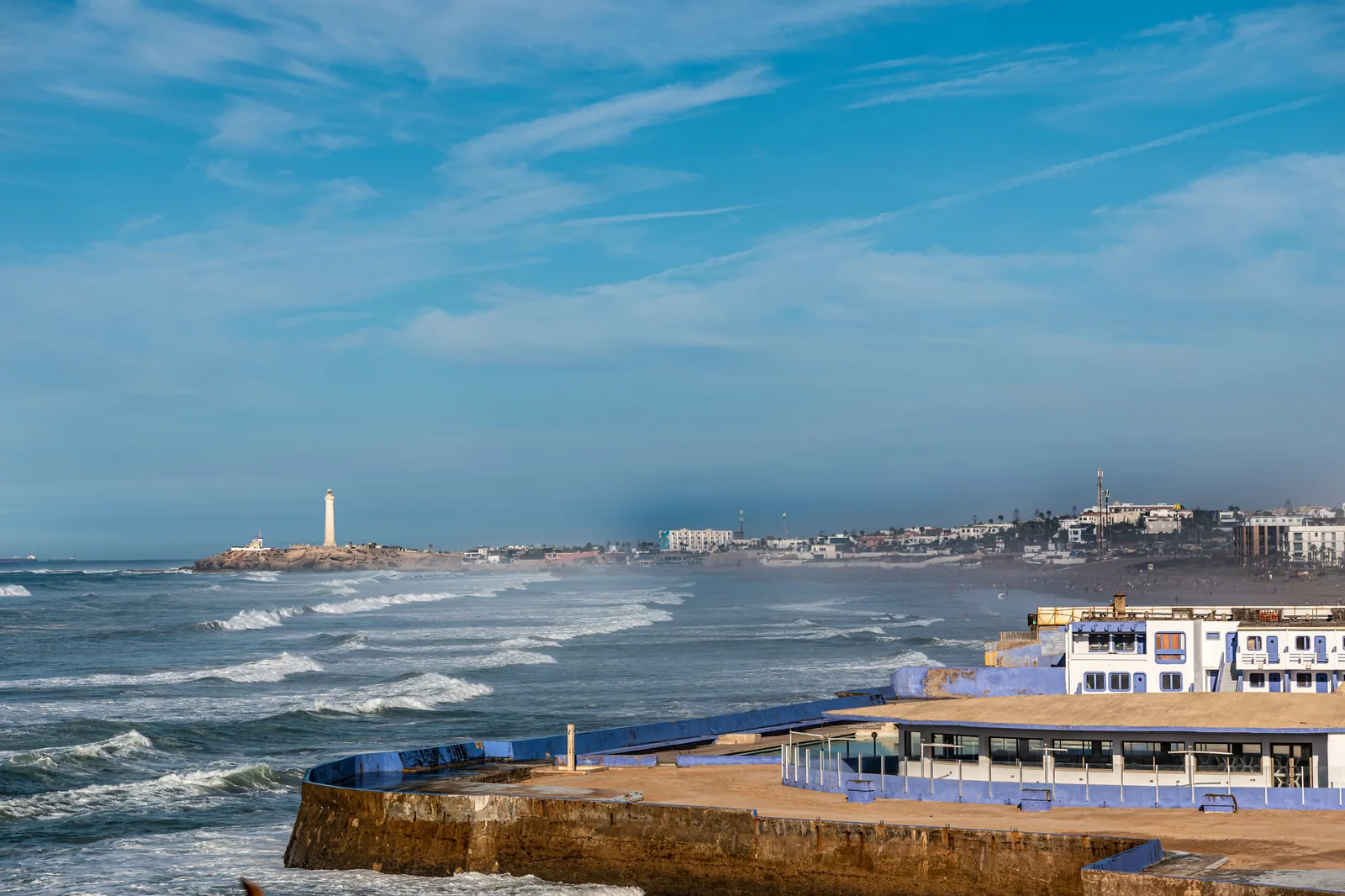
Casablanca is also a seaside city. The Ain Diab Corniche offers a very different setting from the medina: promenades, cafés, restaurants, beaches and venues facing the Atlantic. For a first visit it is especially pleasant at the end of the day, after several hours spent on monuments.
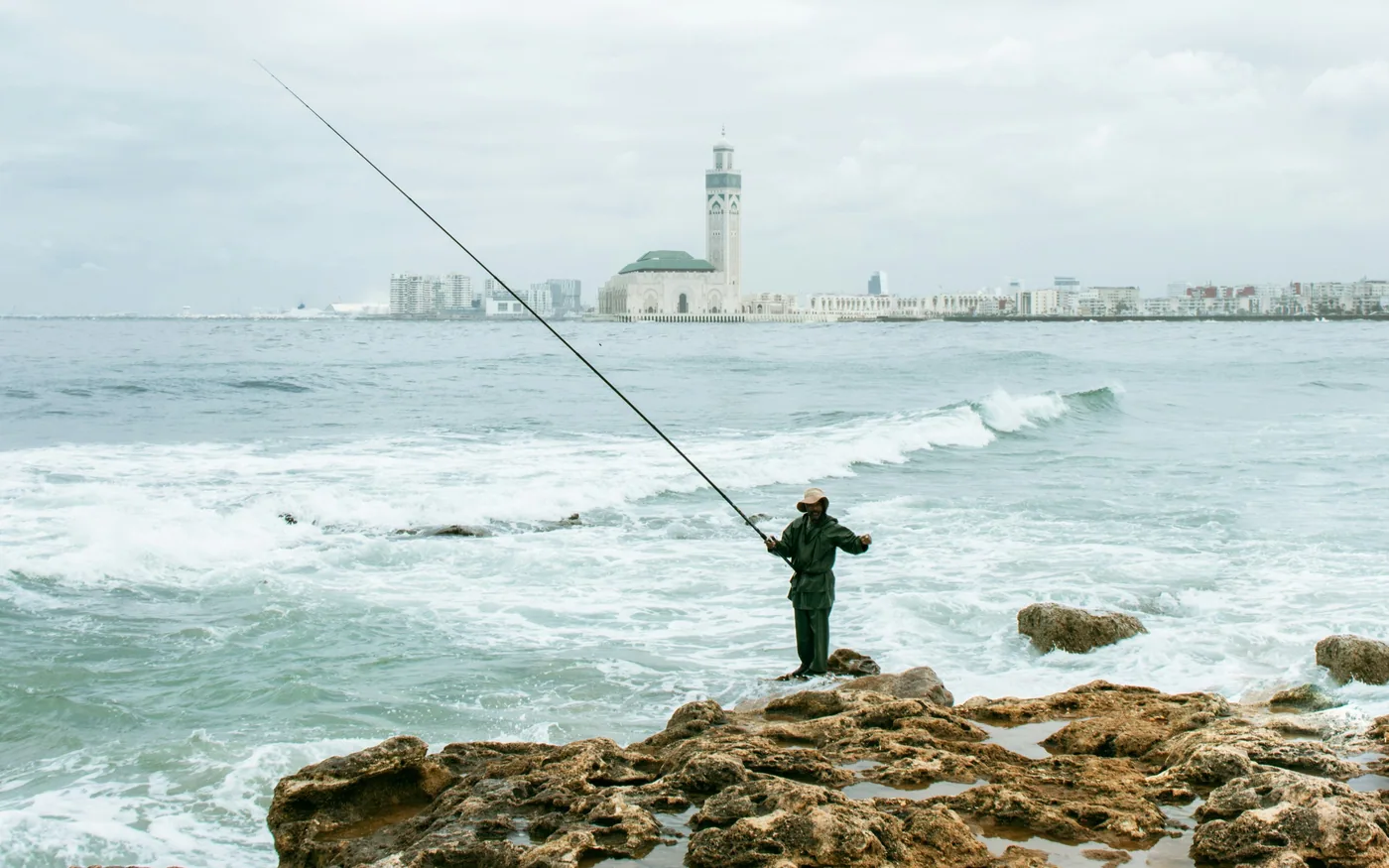
The city beaches are also known for surfing: some operators offer lessons and rentals.
What to do in Casablanca
Visiting Casablanca doesn't mean going from monument to monument. The city lends itself to several kinds of experiences.
Take a guided tour. With little time, it's an efficient way to see several districts without organising every journey yourself. A tour can combine the Hassan II Mosque, the old medina, the centre, Art Deco, Habous and the Corniche, and helps you understand how the districts differ. Look at the half-day guided tour of Casablanca or compare the tours and experiences available on MoroccoMuseum.
Walk. Some areas are ideal on foot: the old medina, the centre, Place Mohammed V and the Art Deco districts on one side; Habous, the souks and pastries on the other. Ending the day on the Corniche is a good counterpoint.
Discover Moroccan crafts. Habous and the old medina are the places to compare styles, materials and techniques. Take time to compare several shops before you buy.
Discover the food. Fish and seafood thanks to the nearby Atlantic, tagines, couscous, pastilla, pastries, mint tea, market cooking. The Central Market is an interesting place to discover the food world of the city centre. Our guide on what to eat in Casablanca covers dishes, districts and experiences.
Visit museums and galleries. Places to include: the Villa des Arts and the Abderrahman Slaoui Museum. The official Visit Casablanca site offers several themed routes: Habous, city centre, art, galleries and museums.
Enjoy the cultural scene. Casablanca hosts concerts, festivals and events, including the Jazzablanca festival, usually held in early July. Check the programme for your dates on the Visit Casablanca site.
Go shopping. Traditional crafts in Habous and the medina, modern shopping centres such as the Morocco Mall on the coast for contemporary shopping.
Which district should you choose?
| District | Best for | Atmosphere |
|---|---|---|
| Old medina | History, lanes, shops, heritage | Popular, lively |
| City centre | Architecture, Art Deco, grand boulevards, squares, cafés | Urban, practical |
| Habous | Crafts, souks, pastries, strolling | Traditional |
| Ain Diab and the Corniche | Ocean, beach, restaurants, evenings out | Seaside |
| Anfa | Another side of the city | Residential, calmer |
How many days do you need in Casablanca?
The ideal length depends on how you travel.
- A few hours: focus on one area. The Hassan II Mosque can be the main stop, as long as the tour time fits your schedule. Add the Corniche or part of the old medina rather than trying to see everything.
- 1 day: you can combine the Hassan II Mosque, the old medina, the centre and Art Deco, then Habous or the Corniche. The order depends on the mosque's tour time and travel times. See Casablanca in one day.
- 2 days: you can take more time, with a day given to Habous, museums, food and the Corniche. See Casablanca in two days.
- 3 days or more: you can take your time or add a day trip outside the city.
If Casablanca is only one stop on your trip to Morocco, a day is enough for the main sights. For architecture, food, museums and city life, two days are more comfortable.
How to get to Casablanca
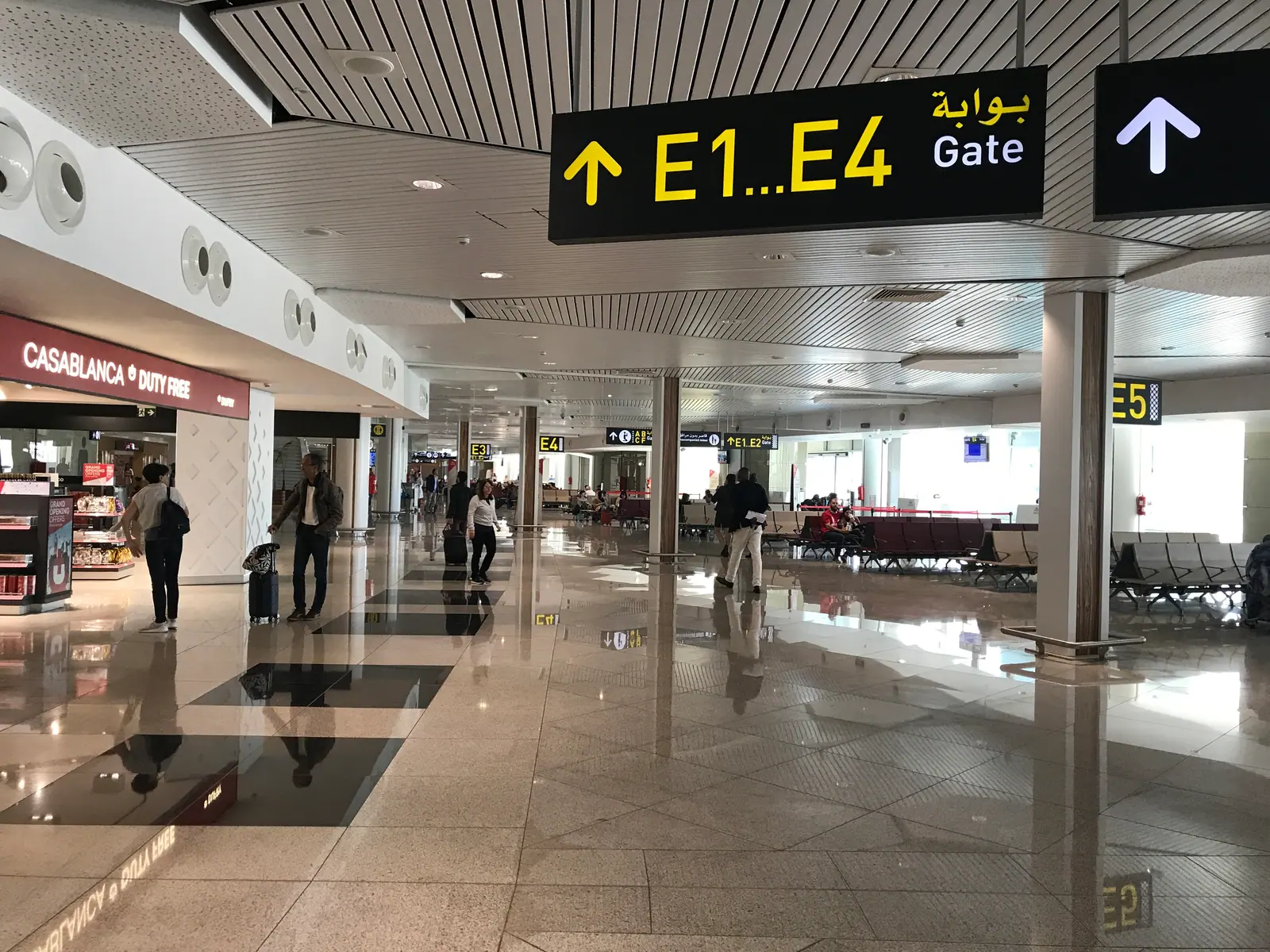
By plane. Mohammed V international airport is the city's main air gateway. A station inside the airport is served by trains to Casa-Voyageurs and Casa-Port: check ONCF for current times and fares.
For a layover, calculate carefully: leaving the airport, getting to Casablanca, the time of your activity, the return and your margin before the next flight. Getting back to the airport must always come first. Our guide to Mohammed V airport, transfers and layovers covers the options.
By train. Casablanca is connected to the national network, notably through the Casa-Voyageurs and Casa-Port stations. From Rabat the train is the most practical option, and the Al Boraq high-speed line links Casablanca with Rabat and Tangier. From Marrakech, allow roughly 2.5 to 3 hours. Check times and fares on the ONCF website before you travel.
How to get around Casablanca
Casablanca is a big city: the best option depends on the distance.
- On foot in the centre, the medina and Habous.
- Taxi for trips between districts. Agree the fare, or the use of the meter, before you set off.
- Tram. The network has four lines (T1 to T4). Line T2 serves Aïn Diab and line T3 starts at Casa-Port station.
- Casabusway, two bus lines on dedicated lanes, since March 2024.
- A car with driver or a guided tour if you want to combine several places.
For a day of sightseeing, group nearby places rather than crossing the city several times: the medina, centre and Art Deco form a logical set, while Hassan II, the Corniche and Ain Diab can form another block.
What budget should you plan?
Your budget depends on the kind of trip: accommodation, restaurants, transport, visits, activities, shopping and day trips. A traveller in budget accommodation using local transport will not spend the same as one staying in a high-end hotel and booking private tours.
| Item | Guide |
|---|---|
| Visit to the Hassan II Mosque (foreign adult) | 140 MAD, Foundation price checked on 1 October 2026 |
| Tram or Casabusway ticket | Fare to be checked with the operator |
For monuments and paid activities, always check the official prices or those shown at the time of booking. For hotels, compare prices for your exact dates.
When to visit Casablanca
Casablanca can be visited all year round. Spring suits city visits and walks, summer the coast and beaches, autumn visits and day trips in the region. Winter can bring cooler or wetter days, as befits an Atlantic climate. For festivals and events, check the calendar for your dates.
Where to stay in Casablanca
The best choice depends on your programme.
- City centre: practical for a first visit and for reaching several sights.
- Casa-Port: useful for travellers arriving by train or wanting to stay near the centre.
- Gauthier and Maarif: central, lively districts with shops, restaurants and cafés.
- Habous: for a more traditional atmosphere.
- Ain Diab: for the seafront and the Corniche.
- Anfa: for a more residential stay.
To compare districts for your trip, see our guide on where to stay in Casablanca.
Casablanca depending on how you travel
With family. Mix heritage with relaxed activities: the Hassan II Mosque, the Corniche, the beach, parks. A day entirely devoted to historic visits can tire younger children: plan breaks and pick a few places.
As a couple. A day can start with a cultural visit, continue with lunch and end on the Corniche. For a more traditional mood: Habous, crafts, pastries, then an evening stroll.
During a layover. Don't overload the programme: for a short layover, choose a single area. For a longer one, an organised tour helps you keep control of the journeys.
Which day trips from Casablanca?
Casablanca is a good starting point for exploring the region. Visit Casablanca lists El Jadida, Azemmour and Oualidia among its destinations.
- Rabat: the capital, a logical cultural day trip.
- El Jadida: an Atlantic city with coastal heritage.
- Azemmour: a small historic town in the region.
- Oualidia: a destination geared towards the coast and relaxation.
- Marrakech: possible, but the distance calls for different planning from a nearby trip.
Before you book, compare the journey time, the time actually spent on site, the transport, the programme, the group size, whether meals are included and the cancellation conditions. Our guide to day trips from Casablanca helps you choose.
Casablanca beyond Hassan II
The Hassan II Mosque is the city's best-known image, but reducing Casablanca to that one monument means missing much of its identity. The city reveals itself through contrasts: medina and grand boulevards, crafts and modern architecture, Moroccan heritage and European influences, ocean and metropolis, markets and shopping centres.
For a first trip, start with the major sights, then take time to discover a less touristy district, or stop for a food, cultural or architectural experience.
FAQ — Visiting Casablanca
Is Casablanca worth visiting?
Yes, especially if you want to discover another side of Morocco: heritage, architecture, ocean, food, shopping and city life.
What should you see first in Casablanca?
The Hassan II Mosque, the old medina, the Art Deco centre, Habous and the Corniche.
How many days do you need in Casablanca?
One day is enough for the main sights; two days let you see the city at a gentler pace and add experiences.
What is there to do in Casablanca in the evening?
Restaurants, cafés, the Corniche, cultural events or nightlife, depending on the season and your tastes.
Where should you stay in Casablanca?
The city centre, Casa-Port, Gauthier, Maarif, Habous, Anfa and Ain Diab each have a different feel. The choice depends on your budget and your programme.
Is Casablanca suitable for a family trip?
Yes, by combining heritage, the beach, parks, shopping and leisure activities.
Can you visit Casablanca in one day from Marrakech?
It is possible: the train generally takes about 2.5 to 3 hours each way. The day will be very tightly planned: a night on the spot is more comfortable.
Can you visit Casablanca during a layover?
Yes, in some cases, provided the layover is long enough for the journeys and a safety margin before your flight.
What is the best district to discover Casablanca?
No single district suits everyone. The centre works well for a first visit, Habous for crafts and a traditional feel, Ain Diab and the Corniche for the coast.
What is the best time to visit Casablanca?
All year round. The choice depends on your activities, your tolerance of the Atlantic climate and the events during your stay.
Planning your trip to Casablanca
Casablanca deserves more than a simple layover. In a day you can see some of its great symbols; in two days you understand its districts, its architecture, its food and its relationship with the ocean. Start with the Hassan II Mosque, explore the old medina and the Art Deco centre, take time for Habous, then finish on the Corniche. To go further, add a guided tour, a food experience or a day trip.
Discover the tours, tickets and experiences available in Casablanca on MoroccoMuseum.
Opening times, prices, access conditions and availability may change. Check the official information and booking conditions when you plan your trip.