Marrakech: History, Monuments and Heritage of the Red City
Marrakech is much more than its souks, riads and the famous Jemaa el-Fna square.
Founded in the 11th century, the city has witnessed nearly a thousand years of history and still preserves traces of the major periods that shaped Morocco.
From the Almoravids and Almohads to the Saadians and Alaouites, each era left its mark on the city's architecture, palaces, gardens, religious buildings and the very structure of the Medina.
The Medina of Marrakech has been inscribed on the UNESCO World Heritage List since 1985.
Exploring Marrakech through its heritage therefore means much more than visiting a succession of monuments. It is a way to understand how the city was built, transformed and passed down through the centuries.
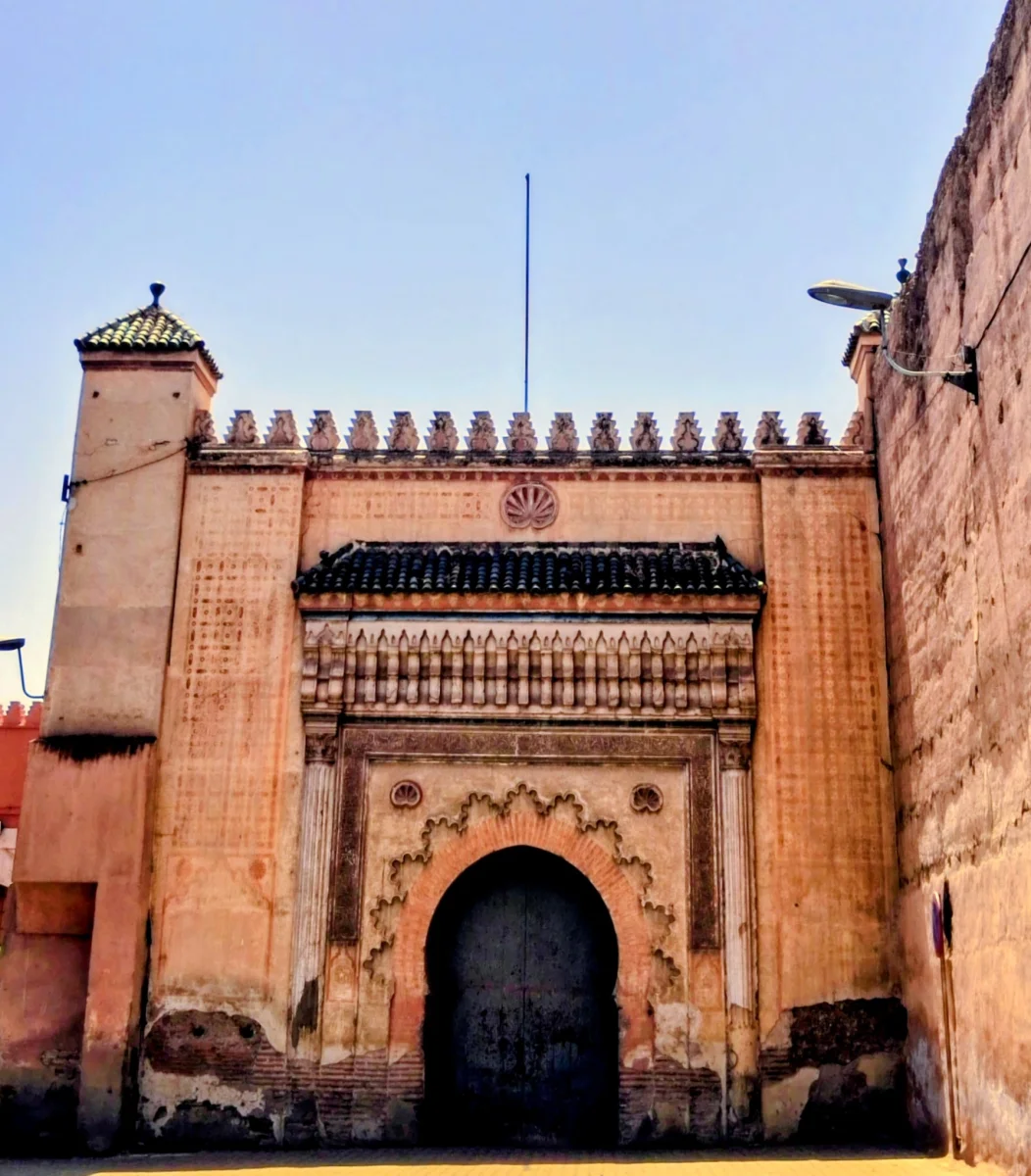
Marrakech: Nearly a Thousand Years of History
According to UNESCO, Marrakech was founded around 1070–1072 by the Almoravids.
The city gradually became an important political, economic and cultural centre of the western Islamic world. The dynasties that successively ruled Marrakech profoundly transformed its urban landscape and left monuments that today allow visitors to travel through several centuries of Moroccan history.
Understanding this chronology makes it easier to understand the sites you visit.
Almoravid Marrakech
The Almoravids founded Marrakech in the 11th century and made it their capital.
Among the rare surviving monuments from this period is the Almoravid Qoubba, located in the heart of the Medina, close to the Ben Youssef Madrasa.
→ Discover the Almoravid Qoubba
The surrounding district also helps visitors understand how the historic heart of Marrakech developed around religious buildings, markets, workshops and commercial routes.
Almohad Marrakech
In the 12th century, the Almohads took control of Marrakech and made it one of their major capitals.
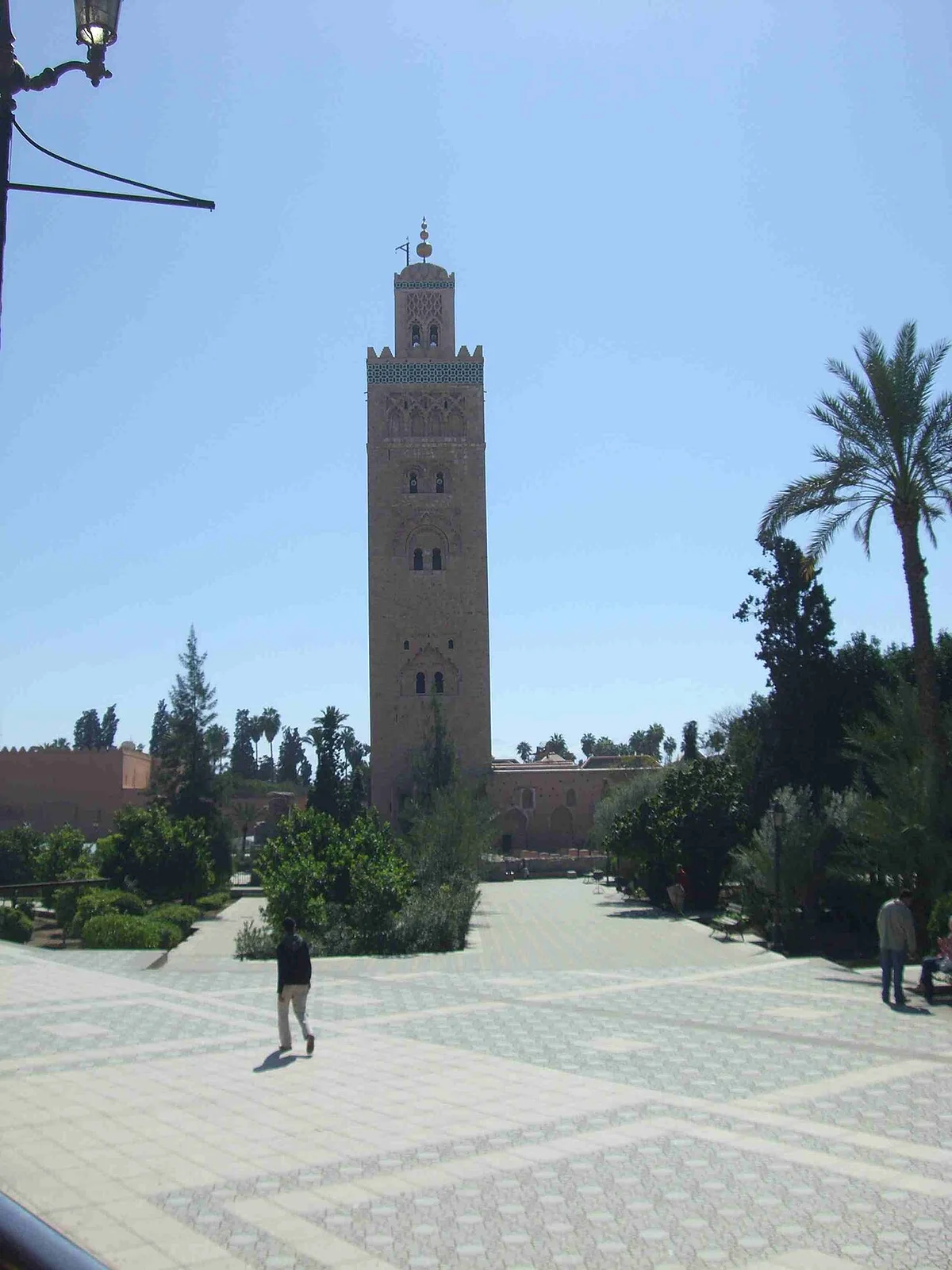
The Koutoubia Mosque, whose minaret still dominates the city's skyline, is one of the great architectural landmarks associated with this period.
Its minaret has become one of the most recognisable symbols of Marrakech.
→ Discover the Koutoubia Mosque and its gardens
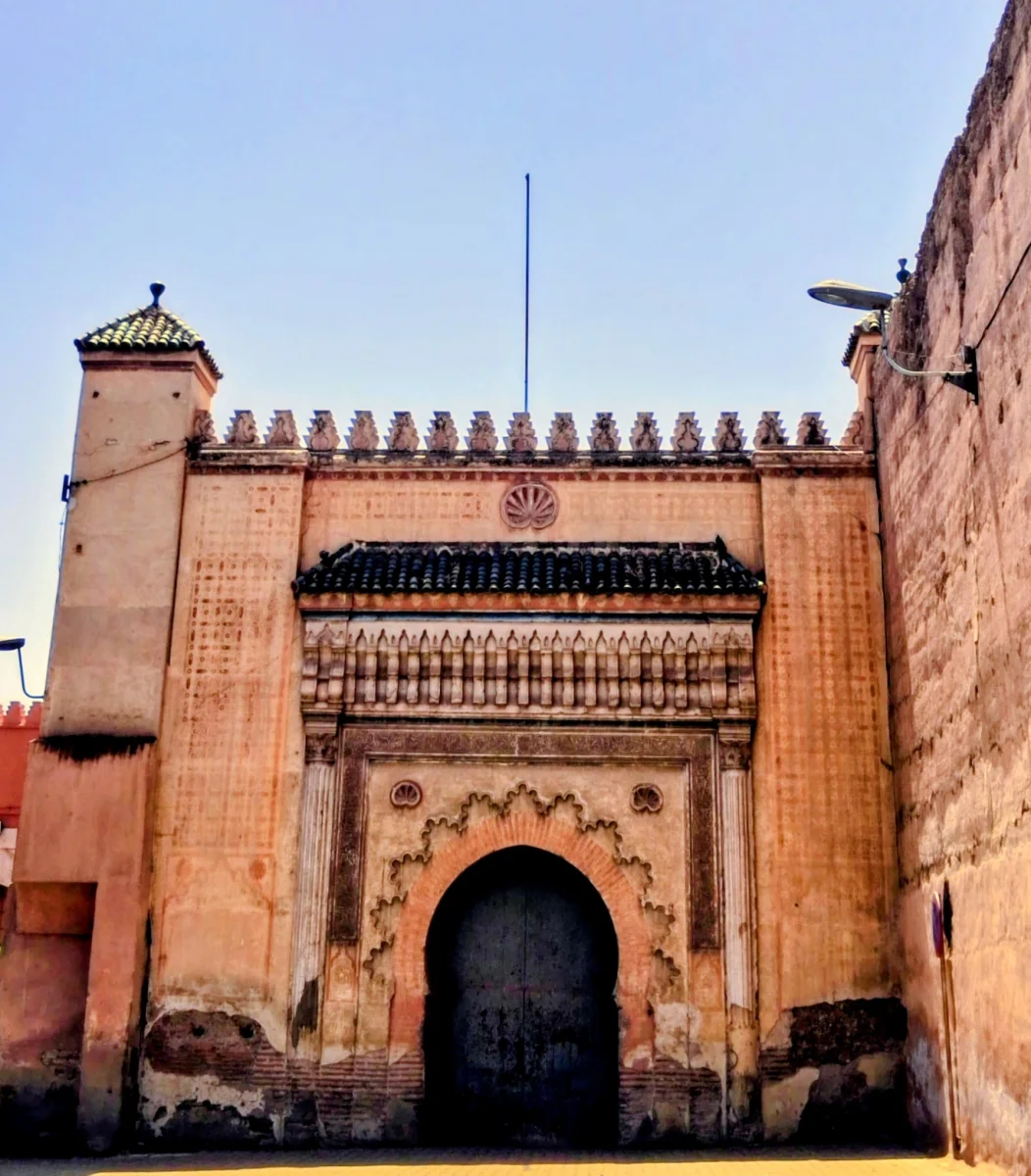
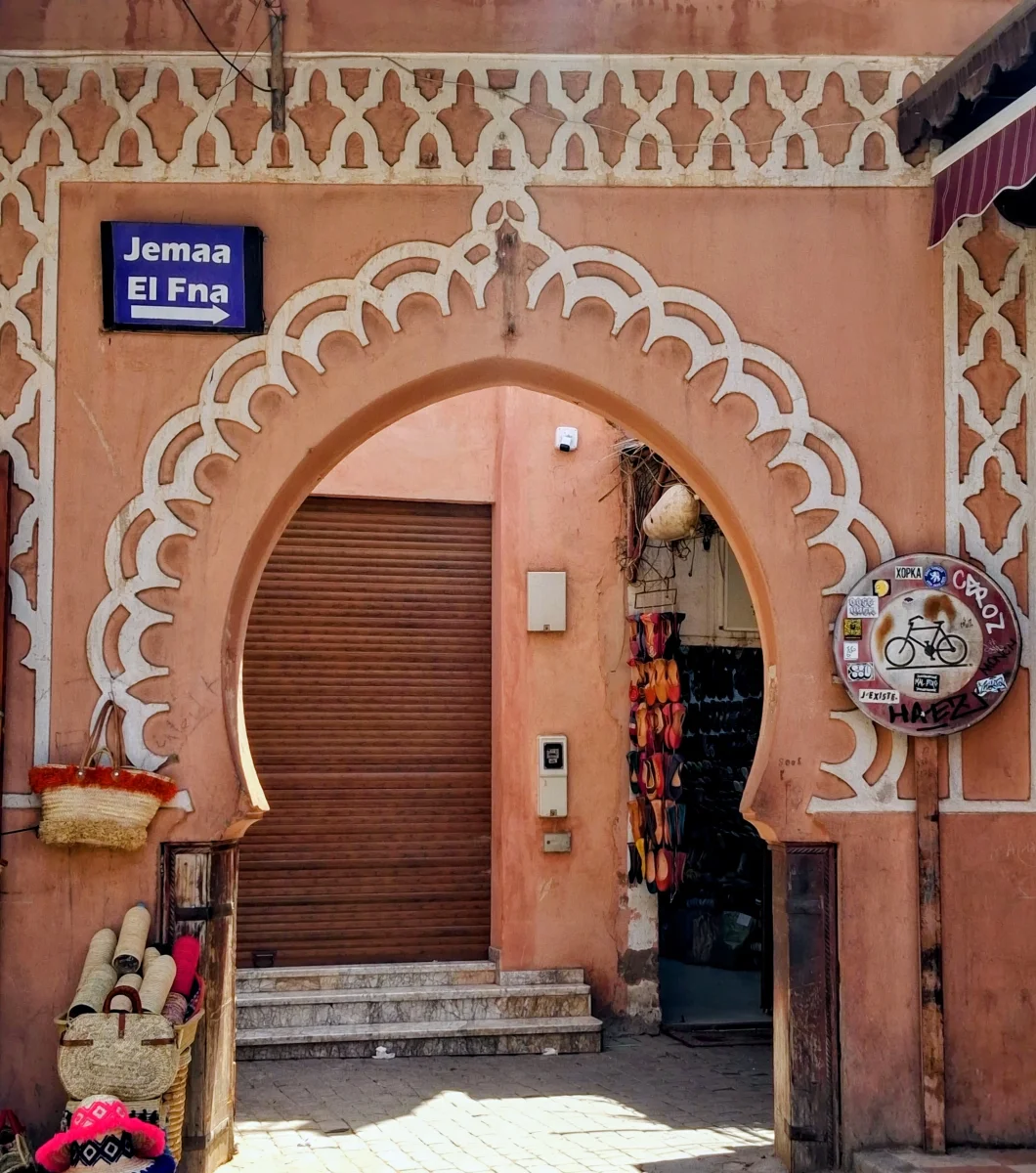
The city walls, monumental gates and the layout of several historic districts also reveal the long evolution of Marrakech's urban landscape.
The Saadian Era: Palaces, Tombs and Architectural Renewal
Marrakech experienced another major period of political importance under the Saadian dynasty, particularly during the 16th century.
Two monuments provide an excellent introduction to this era.
El Badi Palace
Built during the reign of Sultan Ahmad al-Mansur, El Badi Palace was conceived as a vast palatial complex expressing the power and prestige of the Saadian dynasty.
Only part of the original complex survives today, but its immense courtyards, pavilions, pools and walls still convey the scale of the former palace.
The Saadian Tombs
Nearby are the Saadian Tombs, a royal necropolis associated with the Saadian dynasty.
The site is particularly renowned for the richness of its architectural decoration, including marble columns, elaborate ceilings, zellige tilework and finely sculpted ornamentation.
These two monuments can easily be combined into the same cultural itinerary through Marrakech's historic Kasbah district.
Ben Youssef Madrasa and the Heritage of Learning
Marrakech's heritage is not limited to palaces and ruling dynasties.
The city was also an important religious, intellectual and commercial centre.
The Ben Youssef Madrasa is one of the most emblematic monuments of this cultural dimension.
Associated with the neighbouring Ben Youssef Mosque and rebuilt in its present form during the Saadian period, the madrasa once accommodated students pursuing religious studies.
Its central courtyard is today one of the most remarkable architectural spaces in Marrakech.
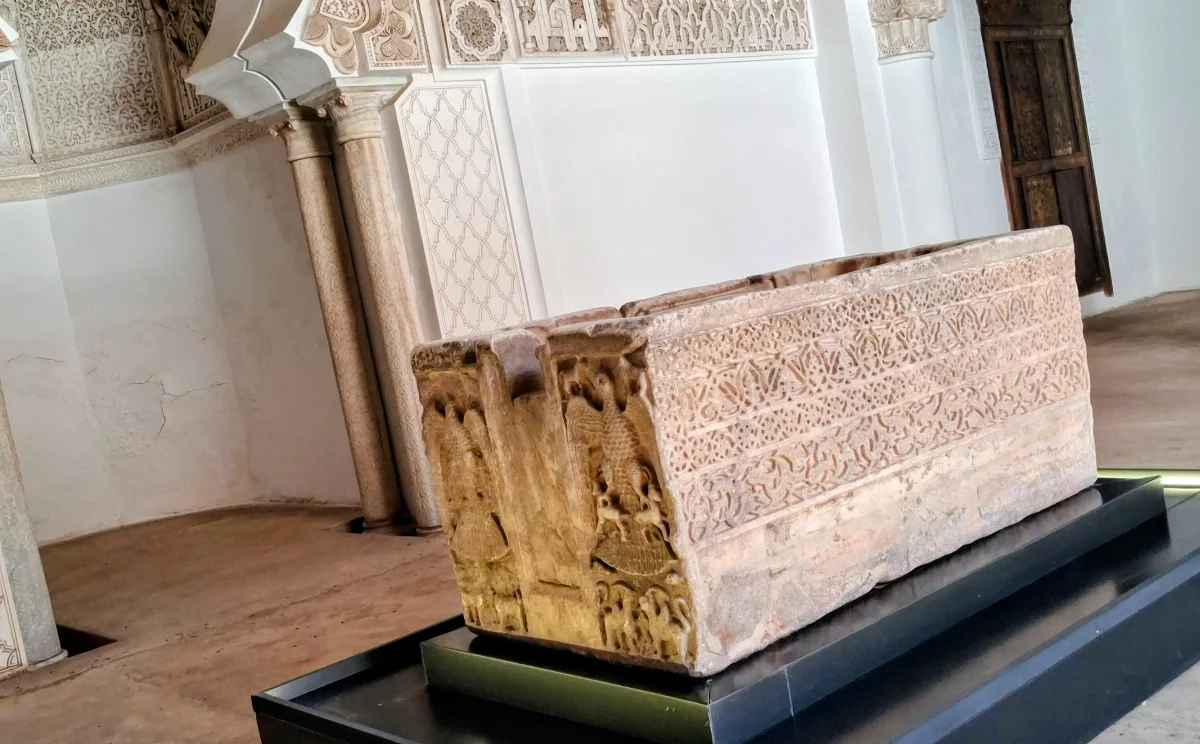
→ Discover the Ben Youssef Madrasa
A visit can be combined with the Almoravid Qoubba, the Marrakech Museum and the surrounding souks to create an itinerary focused on the history and architecture of the northern Medina.
Bahia Palace: Marrakech in the 19th Century
Several centuries after the great Saadian constructions, Marrakech continued to develop a particularly refined tradition of palatial architecture.
The Bahia Palace, built mainly in the late 19th century, is one of the best-known examples of this period.
Its courtyards, gardens, apartments and reception rooms offer visitors an opportunity to observe different forms of Moroccan architectural and decorative craftsmanship.
To understand the differences between two of Marrakech's most important historic palaces, you can also read our dedicated guide:
→ Bahia Palace or El Badi Palace: Which One Should You Visit?
Zellige, Carved Plaster and Painted Wood: Understanding Moroccan Architecture
Visiting Marrakech's monuments is also an opportunity to discover the craftsmanship that has shaped Moroccan architecture for centuries.
Zellige creates intricate geometric patterns from individually cut and assembled pieces of glazed tile.
Carved plasterwork covers walls and architectural surfaces with geometric, vegetal and epigraphic motifs.
Carved and painted wood can be found on ceilings, doors, lintels and other decorative architectural elements.
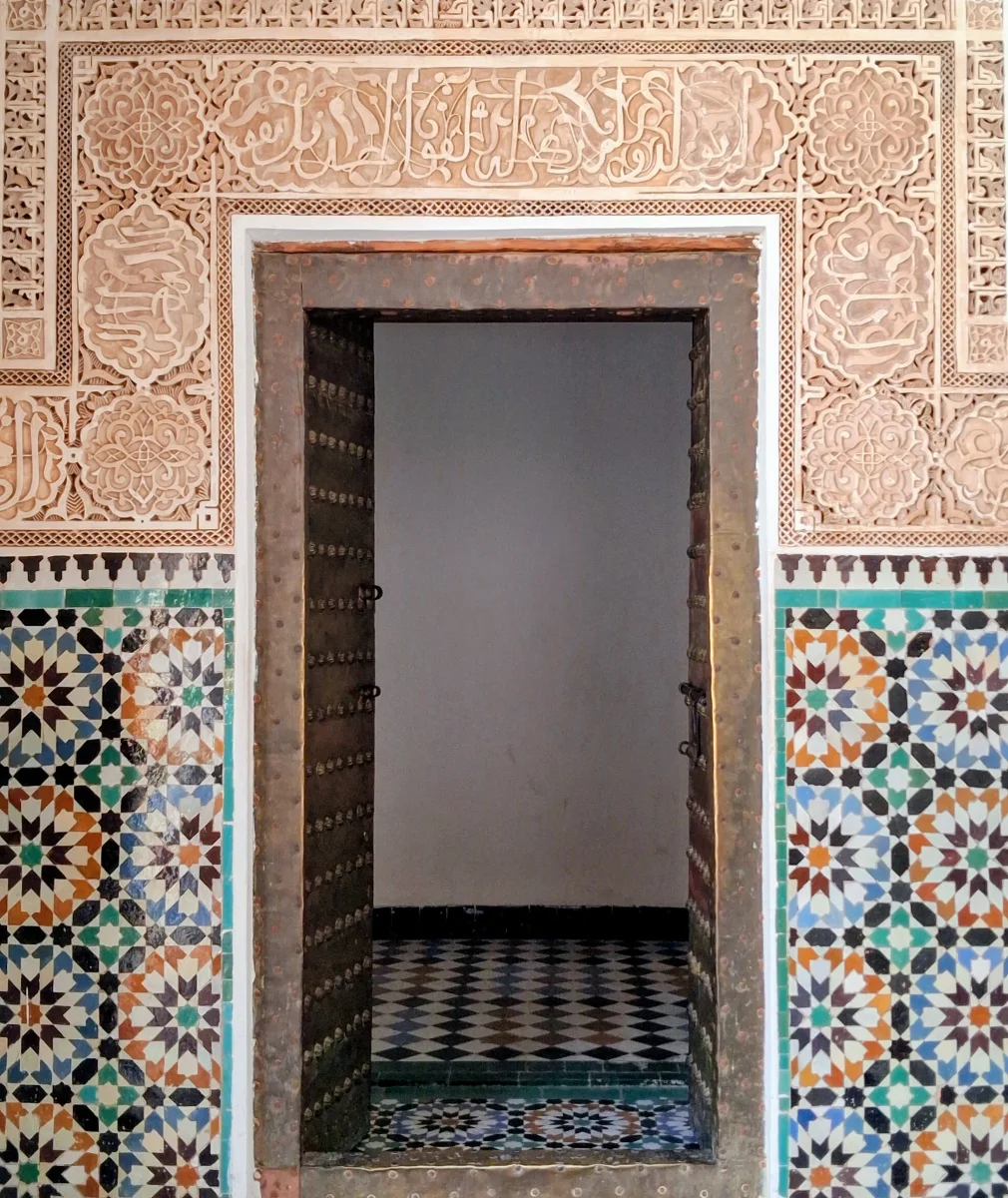
These techniques are not simply decorative elements. They reflect skills transmitted through generations of craftspeople and can be observed in many historic palaces, madrasas, houses and monuments.
Zouaq, the traditional art of decorative painting on wood, is another important part of this heritage.
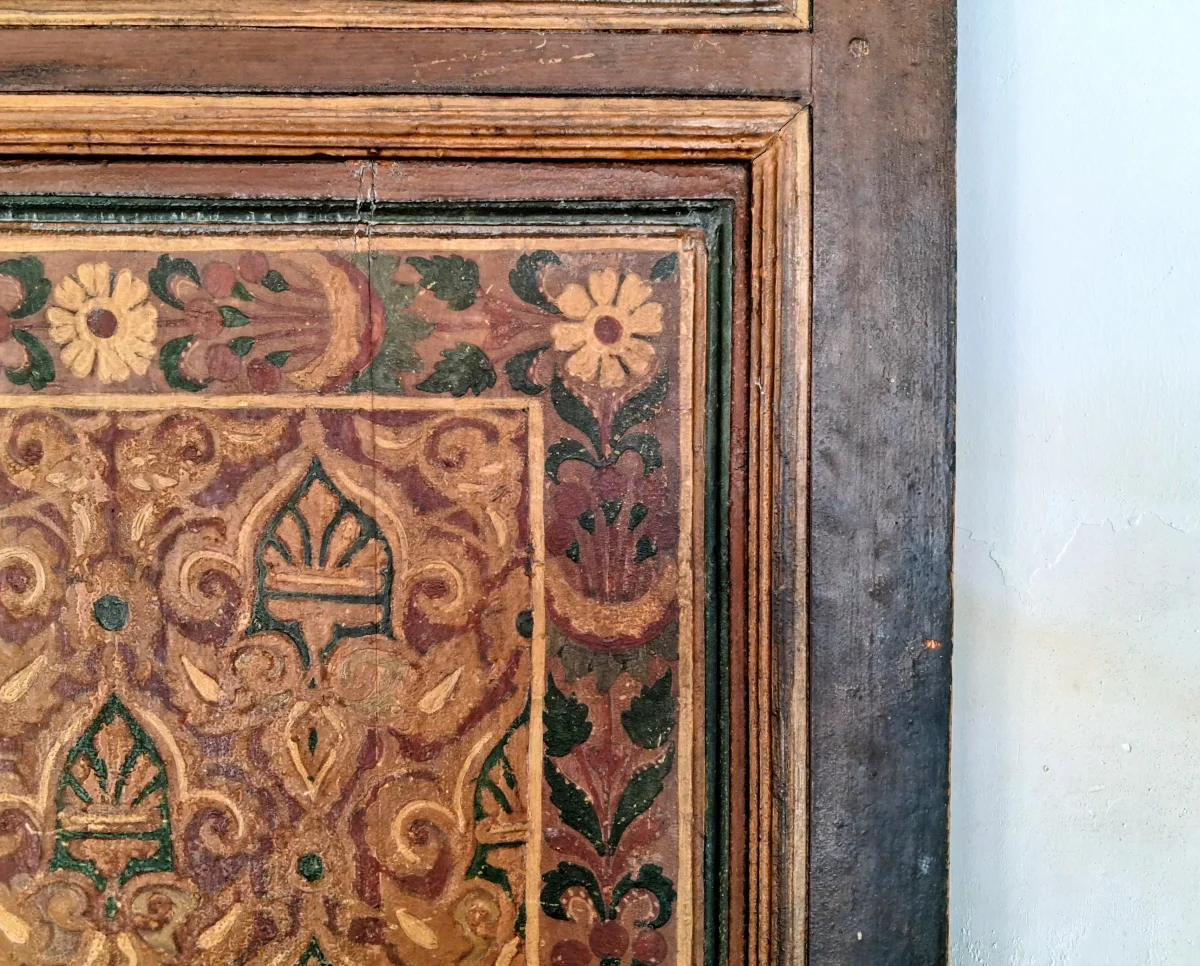
→ Understand traditional Moroccan architecture
Funduqs, Souks and Historic Neighbourhoods
Marrakech's heritage is not found only behind the doors of its monuments.
It is also present throughout the streets of the Medina.
Funduqs historically played an important role in commercial life. These buildings provided spaces connected with merchants, goods and different activities related to trade.
Several historic funduqs can still be found throughout the Medina.
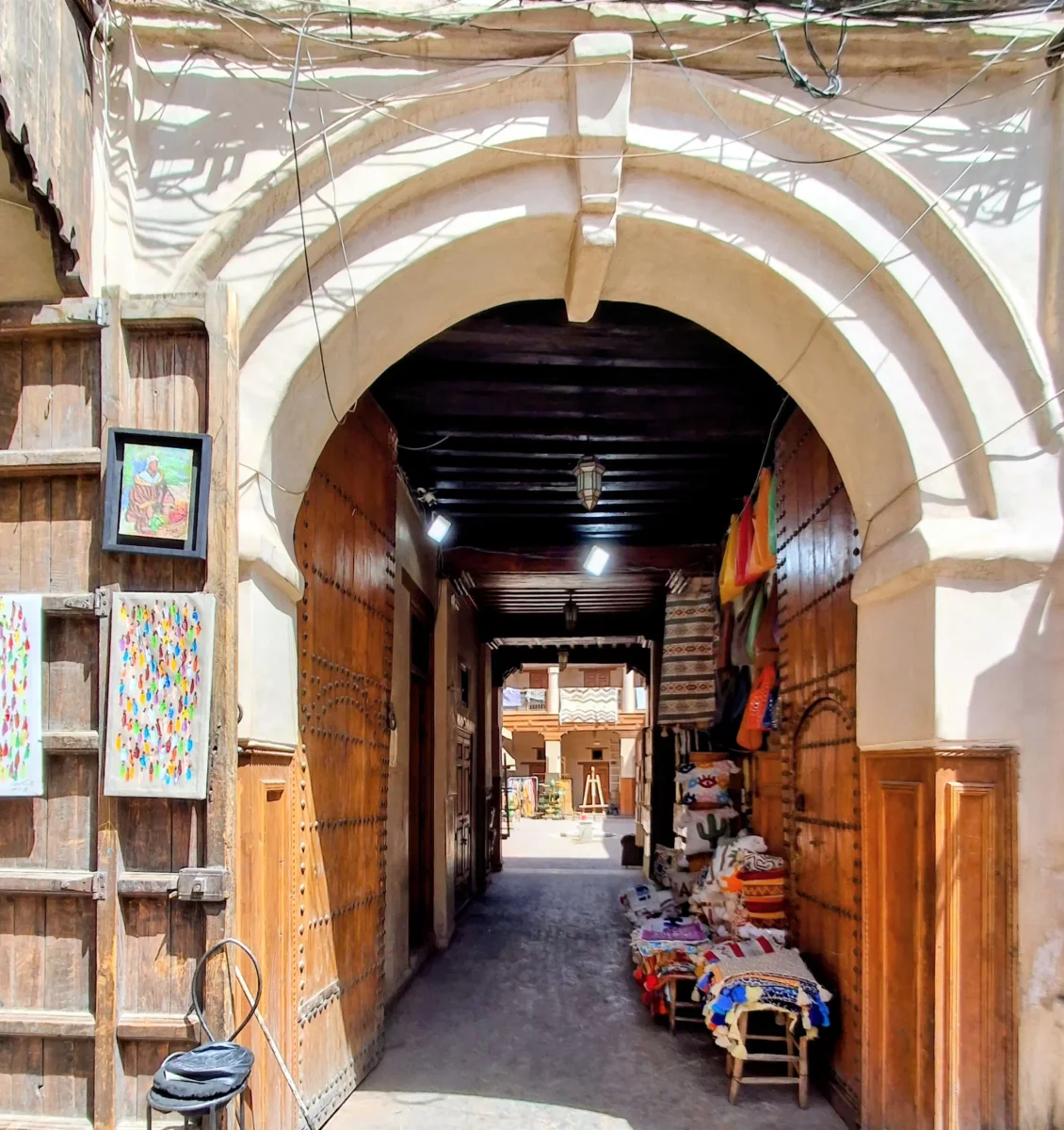
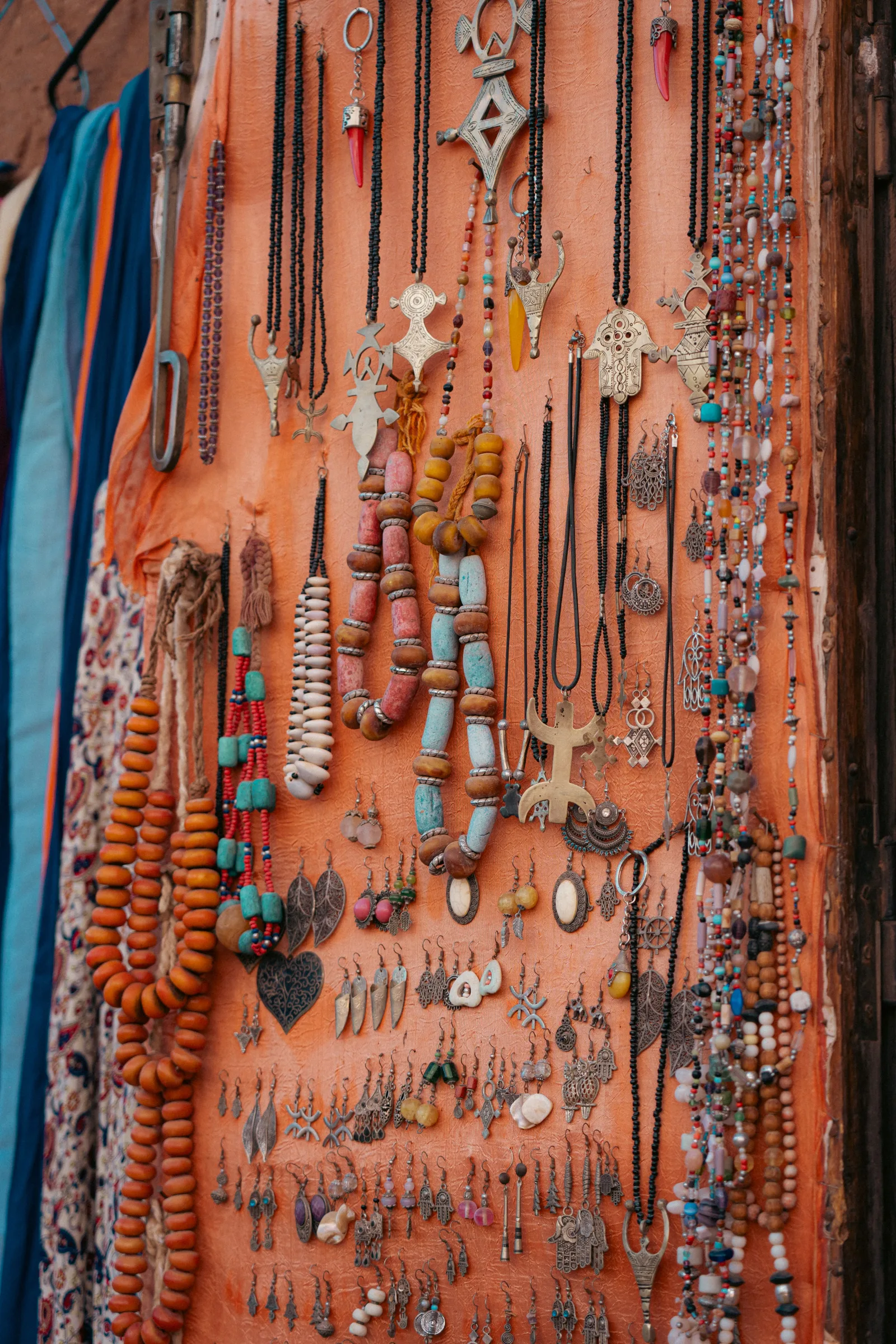
The souks, workshops and historic neighbourhoods reveal another dimension of the city: a living heritage that continues to evolve.
The Mouassine district, the Ben Youssef area, the Kasbah and the Mellah each provide a different perspective on Marrakech.
→ Explore the Medina of Marrakech
→ Discover the Mellah of Marrakech
Jemaa el-Fna: A Living Heritage
At the heart of Marrakech lies Jemaa el-Fna, one of the Medina's most emblematic public spaces.
The square is closely associated with oral traditions, musicians, storytellers and different forms of popular cultural expression.
UNESCO has inscribed the Cultural Space of Jemaa el-Fna Square on the Representative List of the Intangible Cultural Heritage of Humanity.
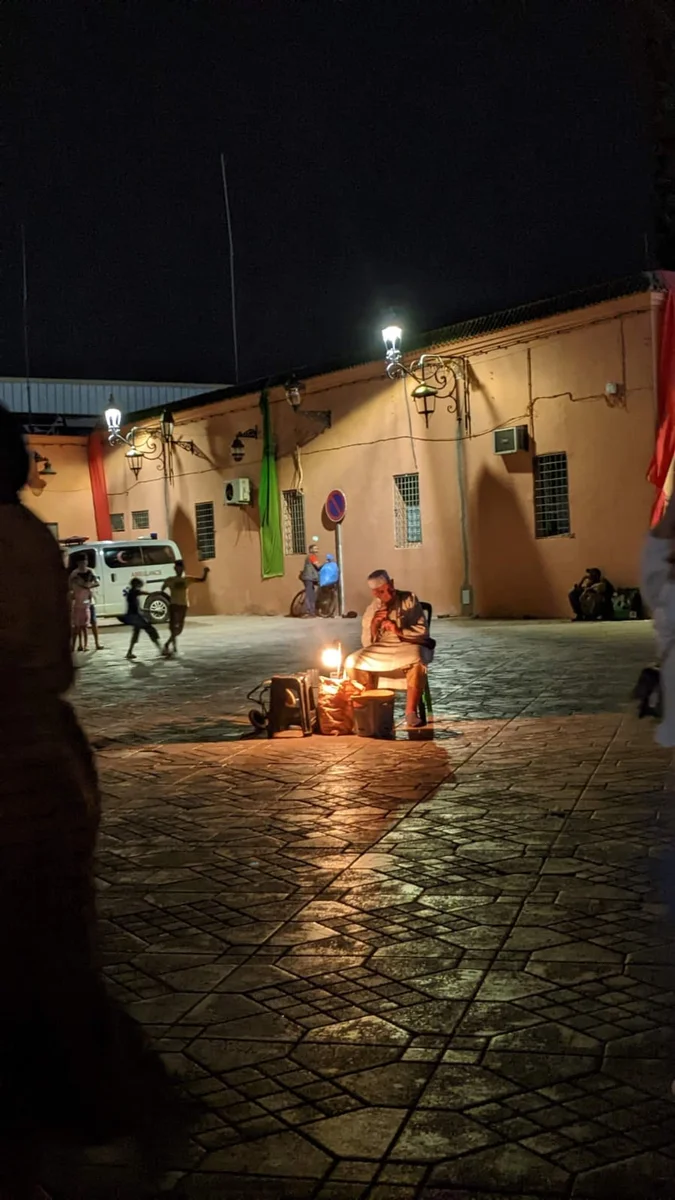
One of the best ways to understand Jemaa el-Fna is to experience it at different times of day. Relatively calm in the morning, the square gradually changes before becoming particularly lively in the evening.
→ Discover Jemaa el-Fna and its living heritage
Which Monuments Should You Visit in Marrakech?
For a first introduction to Marrakech's heritage, several sites allow visitors to explore different periods of the city's history:
- Almoravid Qoubba — to discover the Almoravid heritage;
- Koutoubia Mosque — to understand the Almohad period;
- Ben Youssef Madrasa — for architecture and the history of learning;
- El Badi Palace — to explore the power of Saadian Marrakech;
- Saadian Tombs — for Saadian funerary and decorative art;
- Bahia Palace — for 19th-century palatial architecture;
- Jemaa el-Fna and the Medina — to experience Marrakech's living heritage.
→ See the must-visit monuments of Marrakech
Create Your Own Cultural Itinerary in Marrakech
One of the easiest ways to explore Marrakech is to group your visits by neighbourhood.
Ben Youssef Itinerary
Begin with the Ben Youssef Madrasa, continue to the Almoravid Qoubba, then explore the surrounding souks and historic funduqs.
This route allows you to travel through several centuries of history within a relatively compact area.
Kasbah Itinerary
In the southern Medina, combine the El Badi Palace with the Saadian Tombs.
You can then continue towards the Mellah and Bahia Palace.
Living Heritage Itinerary
To discover another side of Marrakech, walk through the souks, explore its historic neighbourhoods and finish your route at Jemaa el-Fna in the late afternoon or evening.
→ Read our complete guide to the Medina of Marrakech
Prepare Your Visits Before You Arrive
Many of Marrakech's historic monuments are concentrated within the Medina, but distances, opening hours and visitor numbers can make several consecutive visits less straightforward than they initially appear.
Before visiting, check:
- the monument's current official opening hours;
- possible changes during public holidays or Ramadan;
- access conditions;
- the approximate time required for your visit;
- the distance to your next destination;
- booking options when available.
Practical information can change. MoroccoMuseum therefore prioritises verification through official sources whenever they are available.
→ Plan your visit to Marrakech
Discover Marrakech with MoroccoMuseum
MoroccoMuseum.com aims to make Morocco's cultural heritage easier to understand, explore and experience.
Use our guides and cultural resources to:
- prepare your monument visits before arriving;
- understand the history behind each monument;
- create your own cultural itinerary;
- discover the city with an official local guide when this option is available;
- experience Moroccan culture and meet the people who keep its craftsmanship and traditions alive.
We are Moroccans passionate about our heritage, with one mission:
To share the cultural richness of Morocco with the world.
Book. Discover. Experience Morocco.
Explore a Thousand Years of History in Marrakech
From Almoravid remains to Saadian palaces, from madrasas to historic neighbourhoods, every visit reveals another chapter in the history of Marrakech.
Explore the monuments, check practical information and create your own cultural itinerary before you arrive.
→ Explore all available heritage sites